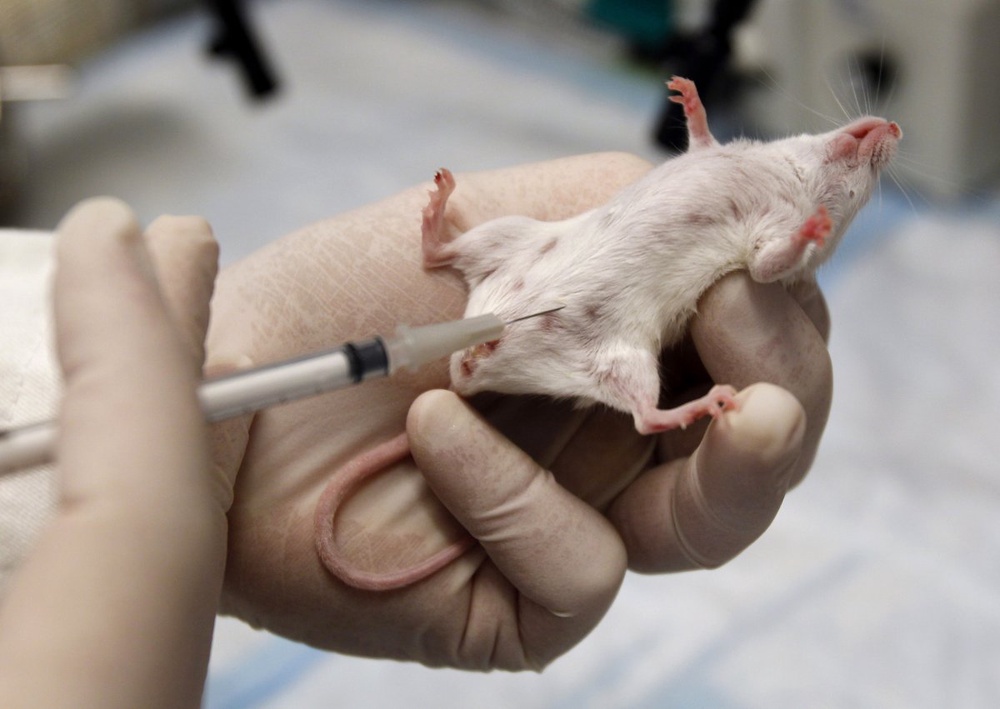







Baikonur accident may affect genes
Consequences of the crash of Proton-M rocket carrier with 3 Glonass satellites at Baikonur cosmodrome in Kazakhstan might manifest themselves as genetic disorders years later.
17 July 2013 18:55
US approves first brain wave test for ADHD
US regulators on Monday approved the first brain wave test for attention deficit hyperactivity disorder, saying it may improve the accuracy of diagnoses by medical experts.
More evidence of prostate cancer, omega-3 link
US scientists said they have confirmed a surprising 2011 study that found a higher risk of prostate cancer among men who consume omega-3 fatty acids.
12 July 2013 11:12
Nearly six million die from smoking every year: WHO
Despite public health campaigns, smoking remains the leading avoidable cause of death worldwide, killing almost six million people a year, mostly in low- and middle-income countries.
New gene sequencing yields healthy baby
Scientists said Monday they had used a new-generation gene sequencing technique to select a viable embryo for in-vitro fertilisation (IVF) that yielded a healthy baby boy.
08 July 2013 14:23
No risk of pandemic yet from MERS virus: scientists
The new MERS coronavirus that has claimed dozens of lives in the Middle East does not yet have the ability to trigger a pandemic, but vigilance is needed in case it mutates.
06 July 2013 12:29
H1N1 flu outbreak in northern Chile kills 11
At least 11 people have been killed in an outbreak of H1N1 flu virus in northern Chile, where the rate of infection is more than six times higher than the rest of the country.
05 July 2013 11:31
'Cousin marriage' doubles gene risk for babies: study
First cousins who marry run twice the risk of having a child with genetic abnormalities, according to the findings of a study in the English city of Bradford, published Friday in The Lancet.
Breast is best for getting ahead: study
People breastfed as infants have a 24 percent better chance than their formula-fed counterparts of climbing the social ladder.
25 June 2013 13:21
H7N9 bird flu kills about 1/3 hospitalised patients: study
The H7N9 bird flu that hit China this year killed over a third of hospitalised patients, said researchers Monday who labelled the virus "less serious" but probably more widespread than previously thought.