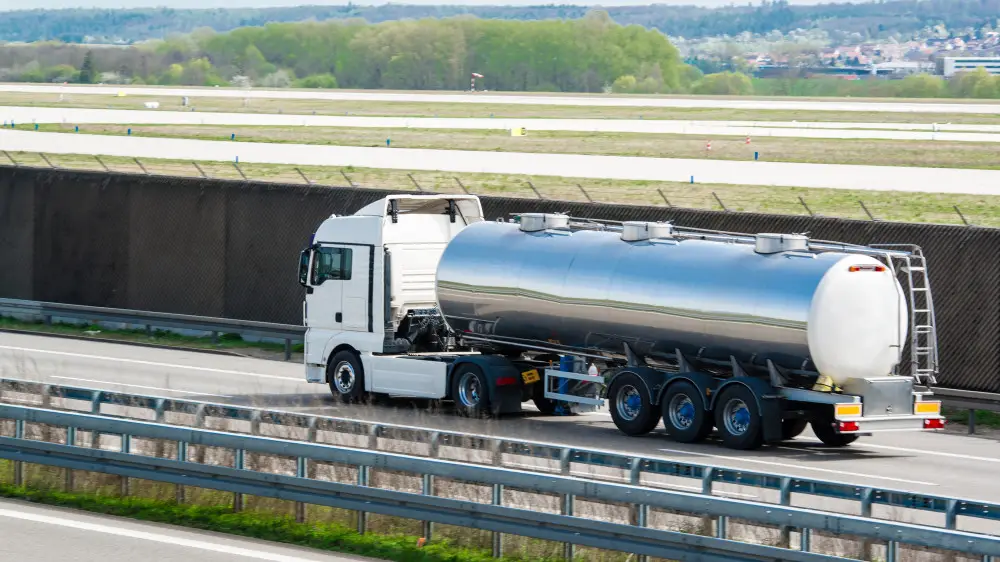
Tengrinews.kz — Kyrgyzstan has introduced a ban on the export of oil and petroleum products. The corresponding decree was issued by the republic's government on July 13.
According to the document, the decree was adopted to ensure the stable functioning of Kyrgyzstan's domestic oil and petroleum products market, protect energy security, prevent shortages, and ensure an uninterrupted supply for domestic needs.
The decree entered into force on the day of its official publication.
Meanwhile, Kazakhstan has a set of measures in place to prevent the illegal export of fuels and lubricants across the border. Specifically, a rule is in effect whereby trucks and passenger vehicles from neighboring states may enter Kazakhstan no more than once a day.
"The primary focus currently is on identifying vehicles with additional fuel tanks used for 'gray' fuel exports. This work is being carried out jointly by the Ministry of Internal Affairs, the Financial Monitoring Agency, the Border Service, and customs authorities," Deputy Energy Minister Kairkhan Tutkyshbarov said during a previous government briefing.
The gasoline and fuel situation in Kazakhstan
Earlier, Prime Minister Olzhas Bektenov ordered tighter controls over the illegal export of fuels and lubricants. According to government data, 61 attempts to export over three tons of fuel in auxiliary tanks and canisters were intercepted at checkpoints in just two days; since the beginning of the year, 593 attempts to illegally export petroleum products have been recorded.
In May, the Ministry of Internal Affairs reported the discovery of vehicles with illegally installed auxiliary fuel tanks used to transport gasoline out of Kazakhstan. At that time, violators were held administratively liable, and the vehicles were impounded in specialized parking lots until the violations were rectified.