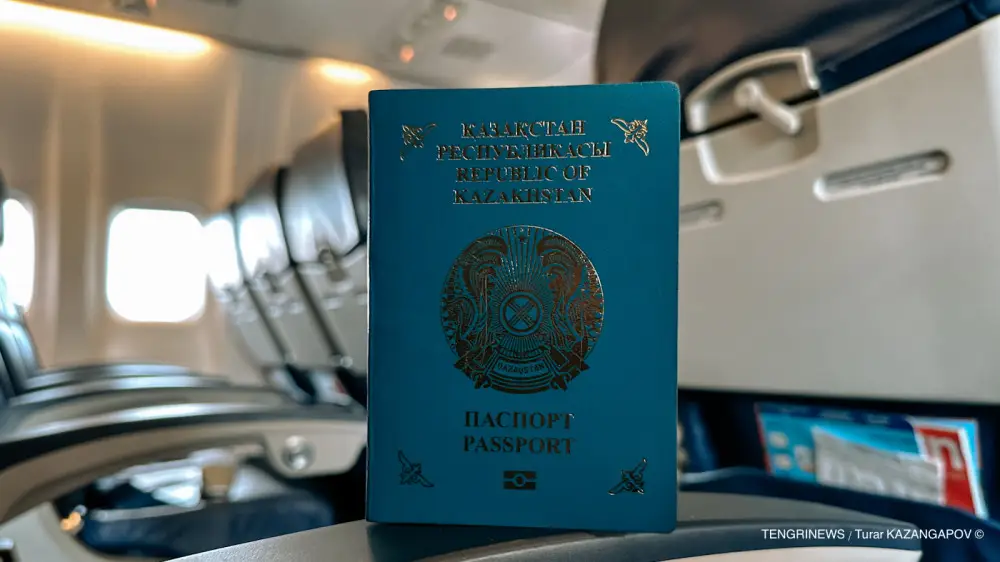
Tengrinews.kz — New migration regulations affecting citizens of Kazakhstan came into force in Russia on July 1, 2026. Some of the changes concern those arriving for work or study, while others relate to state fees, periods of stay, and subsequent stages of migration procedures. The new norms were detailed by disclosed the Eurasian Economic Commission (EEC).
New ruID rules for workers and students
One of the primary changes concerns citizens of Kazakhstan entering Russia for employment or education purposes.
While the use of the ruID mobile application was previously voluntary as part of a pilot program, as of July 1, it becomes mandatory for this category of foreign nationals. As previously clarified by the Ministry of Foreign Affairs of Kazakhstan, travelers must create a profile in the app and submit an electronic entry application before their trip.
This must be done no later than 72 hours prior to crossing the border. Following the review of the application, a personal QR code is generated within the app.
"The specified QR code is valid for 90 days from the moment the application is submitted," the Kazakh Foreign Ministry stated.
The EEC explained that when providing state migration services, the purpose of entry will now be verified using the information specified by the foreign citizen in the application via the app.
Meanwhile, for Kazakhstani citizens traveling to Russia for tourism, personal, or other purposes, the visa-free regime remains in place.
Digital entry pilot program extended
Simultaneously, Russia has extended the pilot program for the entry of foreign nationals from visa-free countries using the ruID application.
The app allows users to access digital government services, conduct financial transactions through Russian services, and set up local mobile connections. The app is available for download on the App Store, Google Play, and AppGallery.
According to the EEC, the pilot program will remain in effect until December 31, 2027.
"The pilot program, which tests new rules and conditions for the visa-free entry of foreign citizens into the Russian Federation via the 'ruID' mobile application, is extended until December 31, 2027," the commission's statement reads.
It was previously reported that the pilot program itself does not abolish the visa-free regime between Kazakhstan and Russia. The absence of an application in the app is not, in itself, grounds for denial of entry for those to whom the new mandatory requirements do not apply.
Simplified application process for international transport drivers
Another change affects drivers engaged in international transportation.
They can now apply via the ruID app to increase their period of temporary stay in Russia to 180 days in total during a calendar year.
To do so, they must attach the documents stipulated by the Russian government decree.
State fees increased
July 1 also saw the implementation of new rates for state fees in the migration sector.
According to the EEC:
- the fee for applying for Russian citizenship has increased from 4,200 (approximately 25,000 tenge) to 50,000 rubles (about 308,500 tenge);
- for the issuance of a residence permit — from 6,000 (approximately 37,000 tenge) to 30,000 rubles (about 185,000 tenge);
- for a temporary residence permit — from 1,900 (approximately 11,000 tenge) to 15,000 rubles (about 92,500 tenge).
These changes apply to foreign citizens processing the relevant documents within Russia.
Medical examination timelines to change in autumn
Another innovation will take effect later.
From September 1, 2026, new rules for undergoing medical examinations.
As reported by the EEC, the timeframe for completing this procedure will be reduced to 30 days.
The commission noted that, together with Russian agencies, additional informational materials are being prepared and will be published on the official EEC website.
Key takeaways for Kazakhstanis
Despite these changes, the visa-free regime between Kazakhstan and Russia remains in effect.
Citizens of Kazakhstan can still enter Russia without a visa and stay for up to 90 days within any 180-day period, unless otherwise stipulated by the purpose of their stay and current migration regulations.
Travelers can use either a foreign passport or a national ID card. If entering with a passport, it must remain valid for the entire duration of the stay.
Registration of residence is not required for stays of up to 30 calendar days. If the stay exceeds 30 days (but is no more than 90), visitors must complete migration registration with the local branches of the Russian Ministry of Internal Affairs.
Furthermore, as of December 2025, Kazakhstani citizens are required to provide biometric data upon entry into Russia. Earlier measures also introduced a digital traveler profile and other procedures integrated with the ruID app.
The Ministry of Foreign Affairs of Kazakhstan and the Kazakh Embassy in Russia have previously recommended that citizens review current entry requirements and potential restrictions ahead of travel, relying on information from official sources.