


 Қазақша
 Русский
 English

ПОДЕЛИТЬСЯ
- Main
- 26 June 2026 22:11
Beetle little known to Kazakhstanis nearly kills tourist
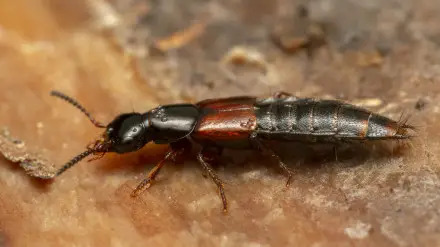 Photo:depositphotos.com
Tengrinews.kz — The tiny tomcat beetle, which many Kazakhstanis have never even heard of, has once again drawn attention following an incident involving a tourist in Vietnam. At first, the woman mistook the redness on her skin for ordinary sunburn, but within a day, her leg became severely swollen and painful, and large blisters appeared.
Doctors eventually determined that the cause was not a bite from another animal but contact with a tomcat beetle. According to medical professionals, seeking help promptly prevented more serious complications, as damaged blisters can become infected.
What happened
According to SHOT, several days into her vacation, the tourist noticed redness on her thigh. At first, it did not cause much concern, but her condition quickly worsened: her skin began to burn, her leg became swollen, and large blisters appeared.
After consulting her insurance company, the woman was advised to visit a local clinic because the symptoms resembled the effects of contact with a tomcat beetle.
The diagnosis was confirmed.
Doctors prescribed treatment and warned the patient that she should temporarily avoid swimming and sunbathing. They also noted that she had sought medical assistance in time, as damaged blisters can lead to infection.
According to the social media page, increased activity of these insects is currently being observed in Nha Trang, Vietnam. Specialists advise people not to crush the beetles on their skin or brush them away with their bare hands, as they release a toxic substance when threatened.
Why the tomcat beetle is dangerous
Contrary to popular belief, the tomcat beetle does not bite or sting humans. Problems arise when the insect is accidentally crushed or pressed against the skin.
At that point, it releases a toxic liquid that causes a chemical burn.
Open sources state that the beetle’s toxin is approximately 12 times more toxic than cobra venom. However, this refers specifically to the toxicity of the substance and does not mean that ordinary skin contact is usually fatal.
After the toxin comes into contact with the skin, redness appears first, followed by increasing pain and itching. Large blisters resembling herpes lesions may later develop. In some cases, symptoms may include fever, neuralgia, joint pain and vomiting, while burn marks can sometimes remain for several months.
Tourists’ experiences
A similar incident previously happened to a tourist from Kazakhstan. Laura, a resident of Astana, said that while vacationing in Bali, she initially noticed slight redness and assumed that an insect had bitten her.
“At first, there was just severe redness, but then a terrible wound and huge blisters appeared. I thought it was a fungal infection,” she recalled.
She visited a clinic only on the second day, when the pain became significantly worse.
According to Laura, doctors explained that the tomcat beetle, or Paederus riparius, was responsible. She was prescribed anti-allergy and anti-inflammatory treatment.
The symptoms later intensified.
“On the third day, terrible blisters appeared, and I rushed to the clinic. They prescribed an antibacterial ointment and daily dressings, as well as an antihistamine,” she said.
According to doctors, she sought help in time, allowing her to avoid a serious threat to her health.
In spring 2025, the tomcat beetle was also widely discussed on social media. One video about the insect received more than 1.2 million views.
The video’s creator noted that the beetle resembles a small ant and benefits agriculture by destroying pests in rice fields. However, accidental contact with it can result in a painful burn.
“You can only get burned if you accidentally crush a tomcat beetle. So, friends, be careful and close your windows when it starts getting dark,” the creator warned.
Travelers shared their own experiences in the comments.
“I crushed one on my arm in the dark at night in Bali, and it took six months to heal,” and “I crushed one in Malaysia — I developed pus-filled blisters and was left with a scar. I know that some people were hospitalized after severe allergic reactions,” users wrote.
At the same time, some users noted that serious consequences can usually be avoided by following simple precautions.
How to reduce the risk
Specialists advise against touching tomcat beetles with bare hands and, especially, against crushing them on the skin. If the insect lands on the body or clothing, it is better to remove it carefully using a tissue or a piece of paper.
It is also recommended to:
- close windows and doors after dark, as the beetles are attracted to light;
- use mosquito nets;
- check bedding and clothing before going to sleep;
- wash the skin with soap and water as soon as possible after accidental contact;
- seek medical attention if severe redness, blisters or a strong allergic reaction develop.
Experts note that even a small insect can cause a serious chemical burn. They recommend seeking medical assistance promptly to significantly reduce the risk of complications.
Editorial Question
What’s your take on this news?
Comments are moderated by the editorial team
Show comments


 +7 (777) 001 44 99


