


 Қазақша
 Русский
 English

ПОДЕЛИТЬСЯ
- Main
- 21 July 2026 12:16
China faces unexpected problem due to electric vehicles
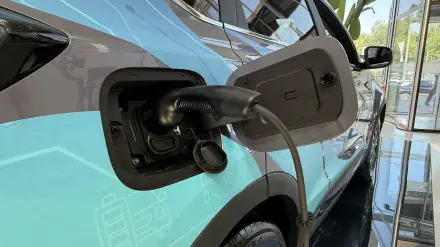 Photo: Elena Nikitenko
Tengrinews.kz — The rapid growth in the popularity of electric vehicles in China has brought the country not only environmental benefits, but also a new problem. As the number of heavy electric crossovers, SUVs and minivans increases, road surfaces are wearing out faster, while funding for repairs is shrinking, citing Carscoops.
According to the China Passenger Car Association, in the first half of 2026, around 60 percent of new vehicles produced in the country were more than five meters long. Manufacturers are increasingly focusing on large and expensive models in response to consumer demand.
At the same time, some modern electric vehicles weigh up to three tons, which significantly increases the load on road surfaces. By comparison, the share of new cars in China measuring less than 4.5 meters in length has fallen to two percent, down from 13 percent a year earlier. This suggests that compact cars are rapidly losing popularity.
Shortage of funds for road repairs
In fact, trucks still cause the main damage to road surfaces. Even a three-ton electric crossover has an incomparably smaller impact on asphalt than heavy freight transport.
However, in China, the problem is linked not so much to the weight of electric vehicles itself as to the mass shift among buyers toward larger and heavier SUVs and minivans, combined with declining revenue from fuel taxes.
It is this combination of factors that has forced authorities to look for new sources of funding for the road network. According to Bloomberg, China currently lacks around half of the funds needed to maintain its road network.
A study by an analytical unit of China’s Ministry of Transport found that about 40 percent of local roads already need repairs, but work is being postponed due to a lack of funding. The annual funding shortfall is estimated at around 300 billion yuan, or about $44 billion.
What will change for PHEVs and EVs
Against this backdrop, authorities are considering new ways to finance road infrastructure. One option involves introducing road-use fees based on distance traveled.
At the same time, China is gradually reducing incentives for electric vehicle owners. The sales tax discount has already been reduced to five percent, while the maximum amount of the benefit has been capped at 15,000 yuan.
In addition, annual tax breaks for plug-in hybrids and extended-range electric vehicles are expected to be abolished.
What about Kazakhstan
No similar initiatives are currently being discussed in Kazakhstan. Despite the rapid increase in the number of electric vehicles, their share of the overall vehicle fleet remains relatively small, so the issue of compensating for lost fuel-sale revenues is not yet as pressing.
In addition, current legislation provides a number of benefits for electric vehicle owners, including exemption from vehicle tax and free parking in several cities.
At the same time, countries around the world are already discussing how electric vehicles should contribute to road infrastructure funding.
For example, the United States is considering introducing an annual federal fee for electric vehicle owners ($130) and plug-in hybrid owners ($35). The authors of the initiative explain this by noting that electric cars do not pay taxes through gasoline purchases, which have traditionally been used to fund roads.
New Zealand has already introduced Road User Charges for electric vehicles, calculated based on mileage.
Australia is also discussing a shift to charges based on actual distance traveled instead of the traditional fuel excise as the number of electric vehicles grows.
Editorial Question
What’s your take on this news?
Comments are moderated by the editorial team
Show comments


 +7 (777) 001 44 99


