
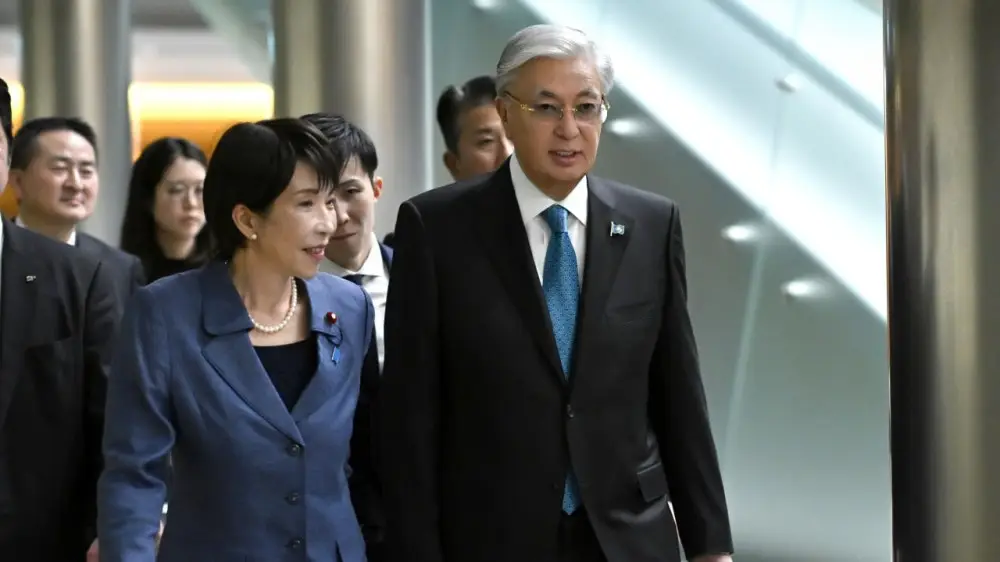
Tengrinews.kz – The visit of Kazakhstan’s President Kassym-Jomart Tokayev to Japan drew the attention of dozens of leading Japanese media outlets — from national newspapers and news agencies to television channels and business publications. Most of the coverage was restrained and factual: journalists recorded the format of the meetings, the range of topics and the sequence of negotiations, largely avoiding interpretation. In this style of reporting, what different newsrooms choose to emphasize becomes especially important.
Protocol and symbolism
Television channels and news portals — including ABEMA NEWS, au Web Portal and regional broadcasters — described in detail the start of the visit: Tokayev’s meeting with the Emperor of Japan at the Imperial Palace, the personal greeting, a joint lunch and the participation of the Crown Prince. These reports contain little politics, focusing instead on the format of the reception and the atmosphere of the interaction.
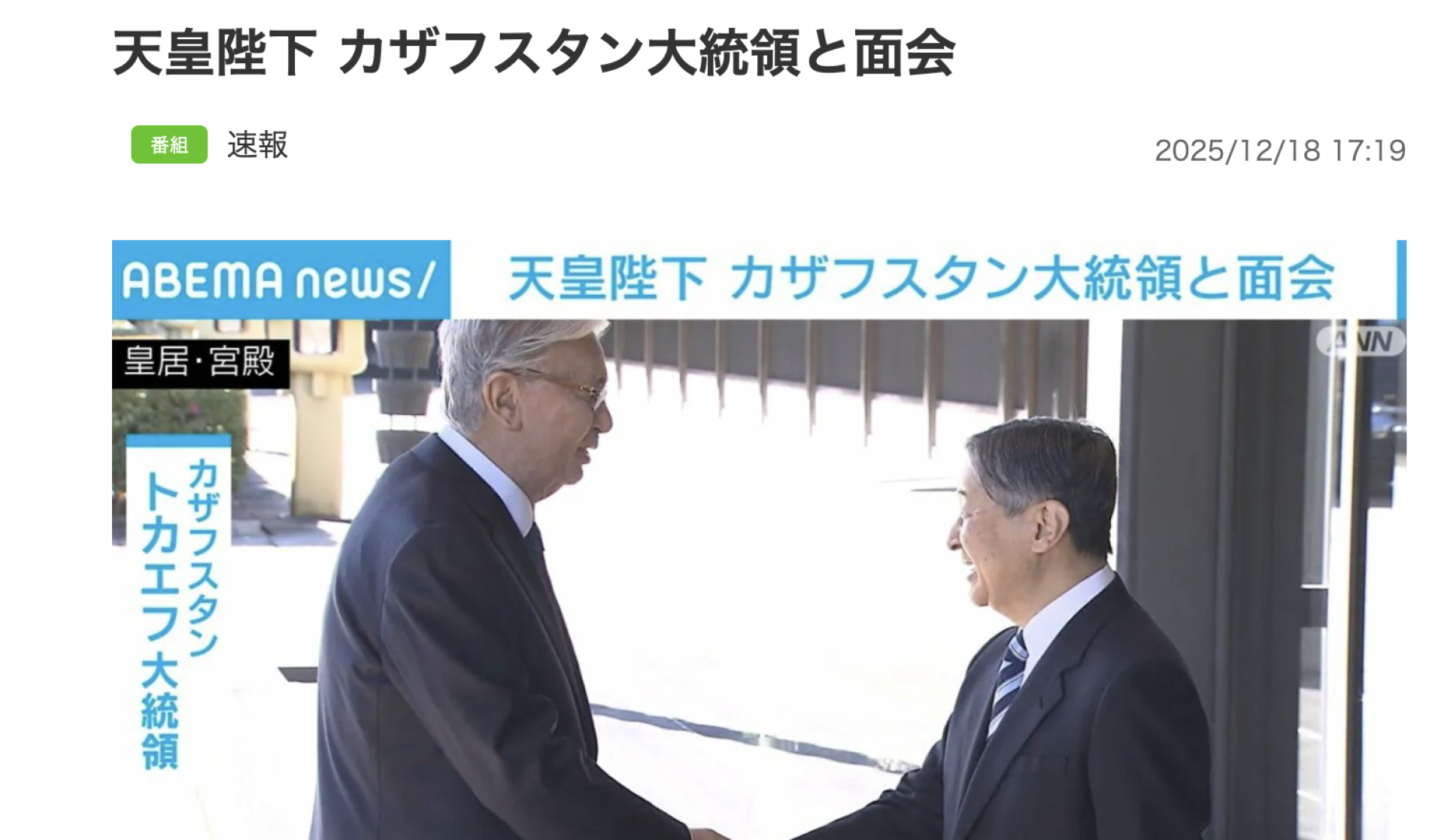
A substantive topic that regularly appears in such publications is the discussion of water-related issues — flooding in Kazakhstan and the declining level of the Caspian Sea. This motif is repeated across different media outlets, giving the visit a broader humanitarian context.
“The water problem is an issue that many people must work on together.”
Political framework and regional context
National newspapers Asahi Shimbun and Mainichi Shimbun view Tokayev’s visit through the lens of regional politics. In their coverage, the talks in Tokyo are linked to preparations for the first-ever Japan–Central Asia summit, with Kazakhstan presented as a key country in this direction.
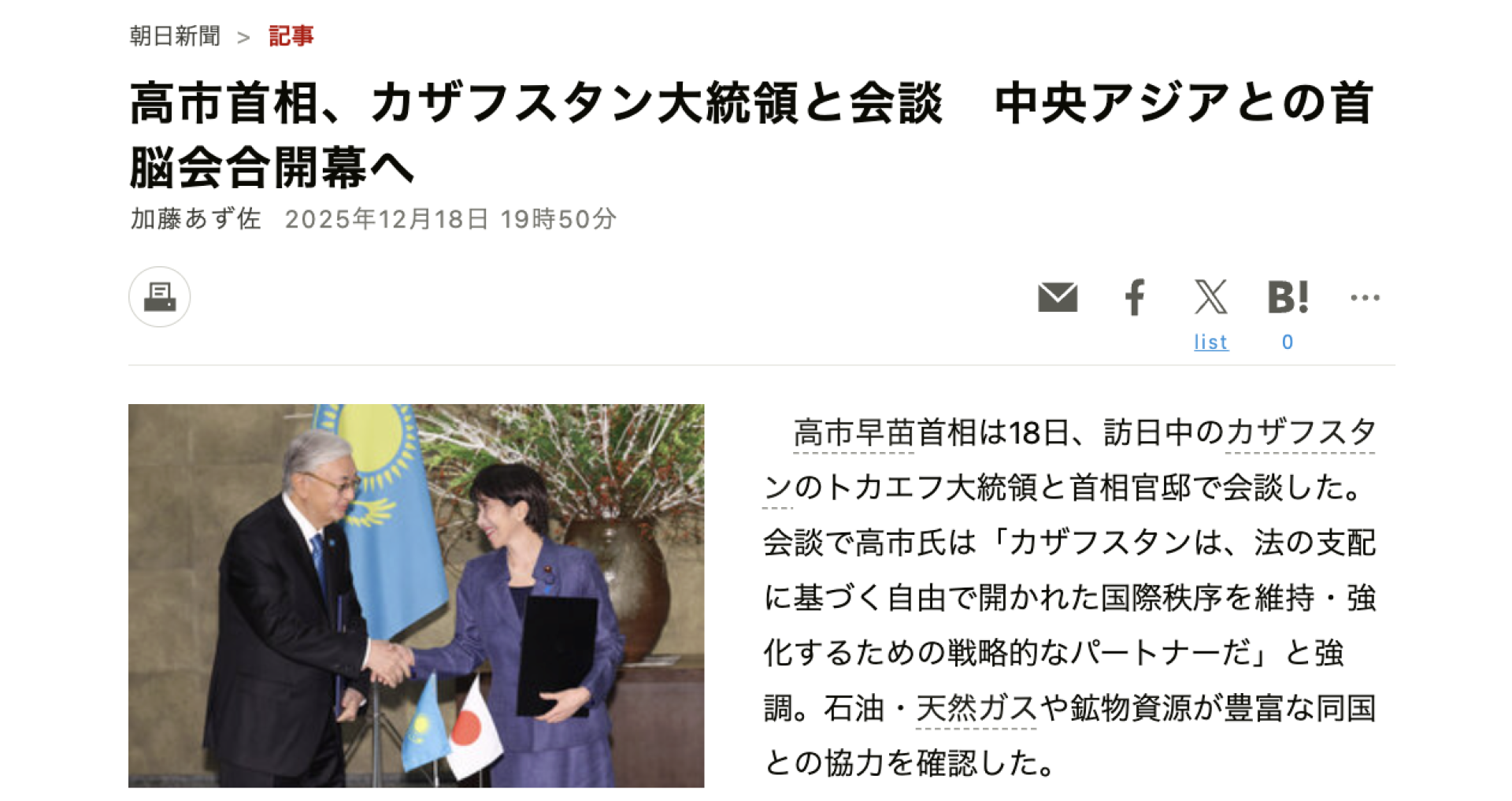
The publications emphasize that the dialogue goes beyond bilateral relations and touches on issues of the international order, regional stability and long-term cooperation.
“Kazakhstan is a partner in maintaining and strengthening a free and open international order based on the rule of law.”
At the same time, these outlets point to the practical side of cooperation as well — energy, transport routes across the Caspian Sea and technological cooperation, including projects in the field of artificial intelligence.
Agency reporting: order of meetings and topics
News agencies, primarily Jiji Press, build a chronological picture of the visit. In their reporting, talks with the President of Kazakhstan open the series of bilateral contacts between the Japanese Prime Minister and Central Asian leaders ahead of the summit. This detail is repeated and highlighted separately in agency materials.
In addition to the economy and logistics, agencies also note the international security block — discussions on the situation around Ukraine and regional risks in East Asia — without offering assessments.
Economy and practical agreements
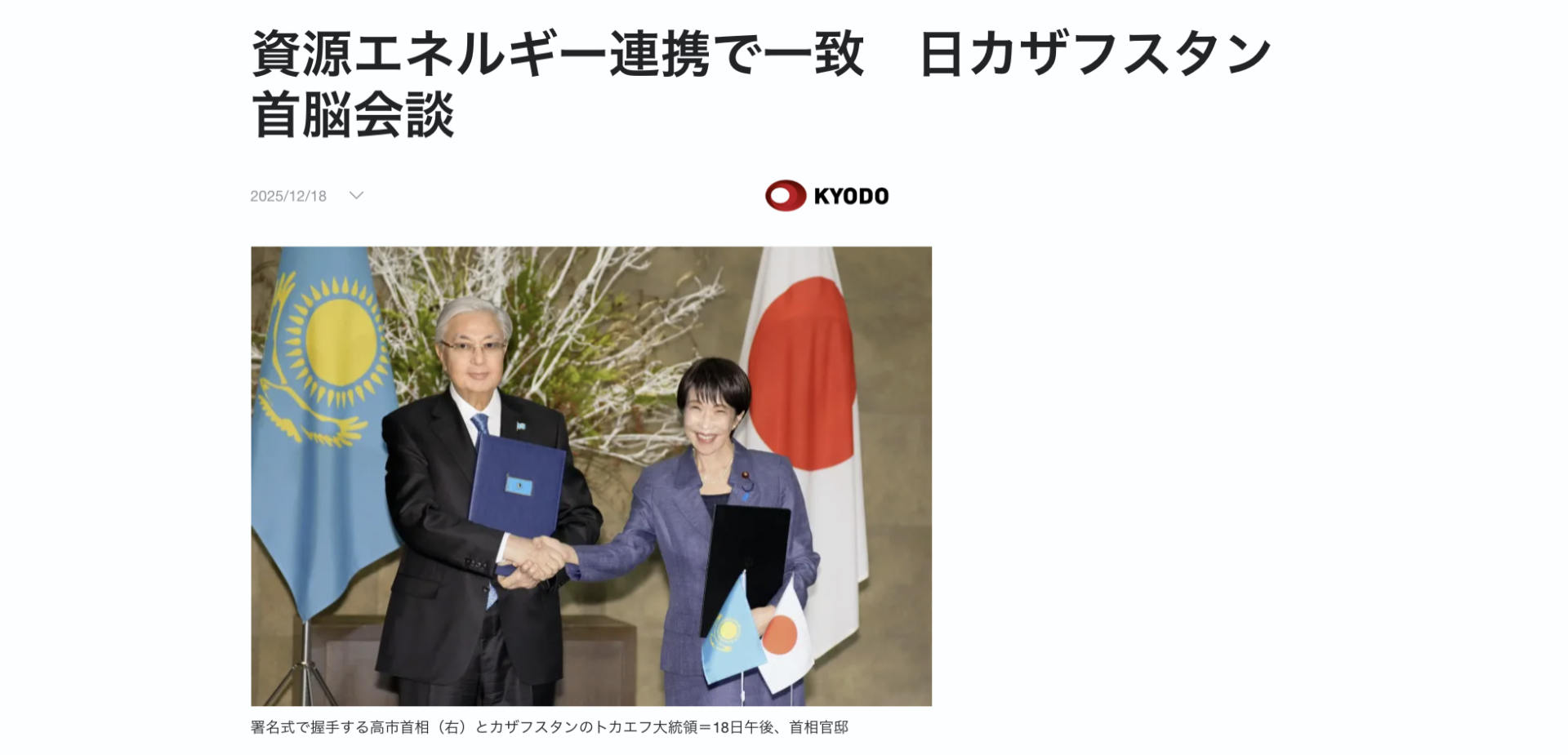
A number of outlets, including Nishinippon Shimbun and Kyodo News, focus on the practical outcomes of the negotiations. Attention is centered on energy resources, mineral raw materials, logistics and the signing of joint documents. In this framing, the visit appears primarily as a working one: less symbolism, more concrete areas of cooperation.
Contacts at the level of capitals are highlighted as a separate track — discussions on digitalization, smart city solutions, the use of artificial intelligence in urban governance and the sustainable development of megacities. These topics are presented as a continuation of the broader technological and innovation trajectory of bilateral relations.
Technology and the business perspective
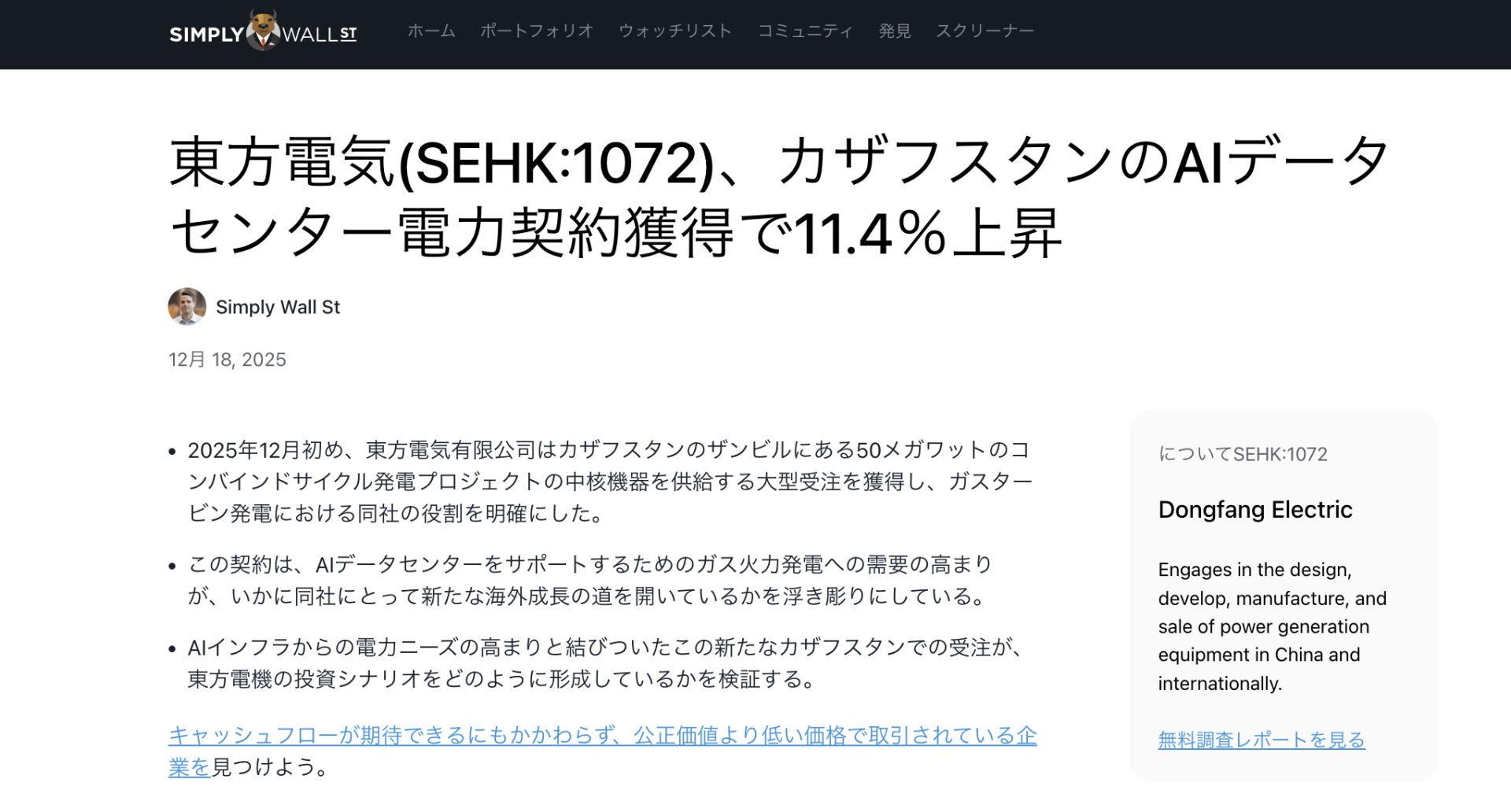
Business and investment media offer a different angle. Simply Wall St, analyzing contracts in the energy sector, views Kazakhstan as a platform for infrastructure projects linked to the development of AI data centers. In this context, the country appears not as a diplomatic subject, but as part of the global economy and technological value chains.
The overall picture
Taken together, Japanese media form a varied picture of the visit — from protocol meetings and symbolism to regional politics, economics and technology. Notably, conclusions are rarely stated directly. The significance of the visit is conveyed through recurring accents, the order of meetings and the set of topics that different editorial teams choose to record without commentary or evaluative judgments — very much in the spirit of Japanese media.
Pauses and gestures: How Tokayev surprised Japan’s Prime Minister
“Qosh keldiniz!”: Tokyo Governor greets Tokayev in Kazakh

