
Tengrinews.kz – When packing for an overseas trip or planning a move abroad, many people focus on luggage weight. However, the list of items that could lead to serious trouble at customs is far broader than excess baggage alone. Tengrinews has reviewed the current bans and restrictions in force in Kazakhstan.
What is strictly prohibited from export
To clarify the rules, Tengrinews contacted the State Revenue Committee, which reminded travelers of restrictions that may surprise even seasoned tourists.
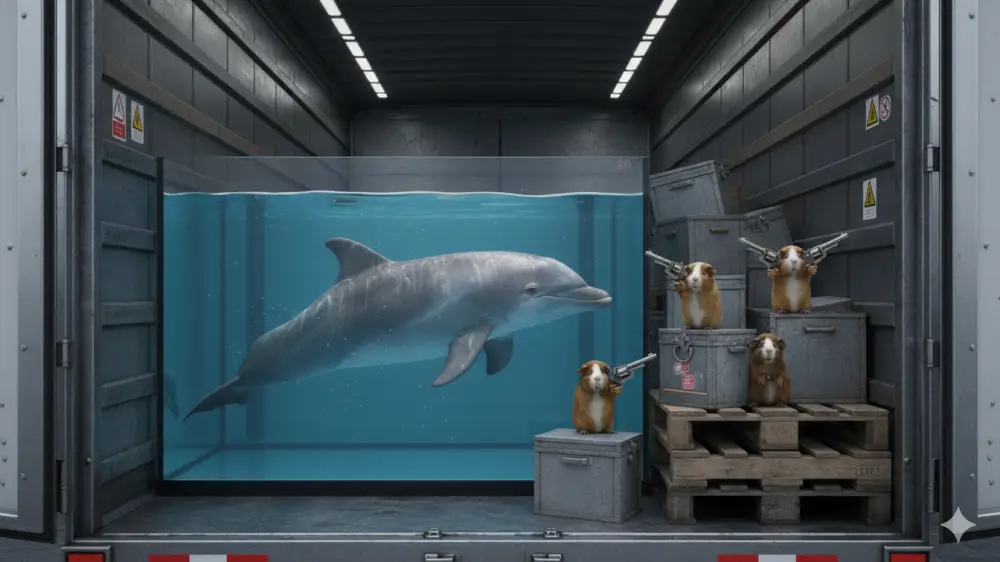
If you were thinking of taking a live sable – or, improbably, a dolphin – as a souvenir, this is strictly forbidden. Sables, as well as whales, dolphins and porpoises, are banned from export from EAEU countries. In the case of dolphins kept in oceanariums, the ban is in effect at least until the end of 2028.
The “stop list” also includes items that many might consider household waste or old equipment:
- ozone-depleting substances and products containing them (freons, old refrigerators and air conditioners, aerosols, foam plastics, methyl bromide, fire extinguishers);
- information contained in books, videos or other media that includes prohibited materials;
- service and civilian firearms, their parts and ammunition;
- live sables;
- whales, dolphins and porpoises.
Cash restrictions
The State Revenue Committee also reminded travelers that special rules apply to transporting cash across the customs border.
Under the Customs Code of Kazakhstan and the Customs Code of the Eurasian Economic Union, cash and/or traveler’s checks must be declared in writing if their total amount when entering or leaving the country exceeds the equivalent of $10,000 at the exchange rate on the day the passenger customs declaration is submitted.
Individuals may voluntarily declare cash and traveler’s checks even if the amount does not exceed $10,000.
At the same time, a restriction introduced by a presidential decree dated March 14, 2022, remains in force. It prohibits the export from Kazakhstan of foreign currency cash and/or foreign-currency monetary instruments exceeding the equivalent of $10,000 at the official exchange rate of the National Bank on the date of departure.
This ban applies to all individuals regardless of citizenship, purpose or reason for travel.
Temporary bans and restrictions
In addition to permanent rules, Kazakhstan has temporary bans on exporting certain goods. According to the authorities, these measures are aimed at protecting the domestic market, food security and other national interests.
The State Revenue Committee emphasized that export restrictions do not apply to all goods in general, but only to specific categories defined by customs codes.
Metals and scrap
From October 23, 2025, a six-month ban was introduced on exports by all modes of transport. The ban mainly covers waste and industrial products, including:
- scrap and waste of copper, aluminum and lead;
- used lead-acid batteries and other waste containing lead, cadmium or mercury;
- ferrous metal scrap;
- used pipes, rails and railway track elements;
- railway and tramway track components, including rails, sleepers and fasteners;
- cast iron and steel pipes and profiles;
- certain parts of locomotives, railcars and trams.
Finished metal products and personal belongings are not subject to the ban unless they fall under these categories.
Timber products
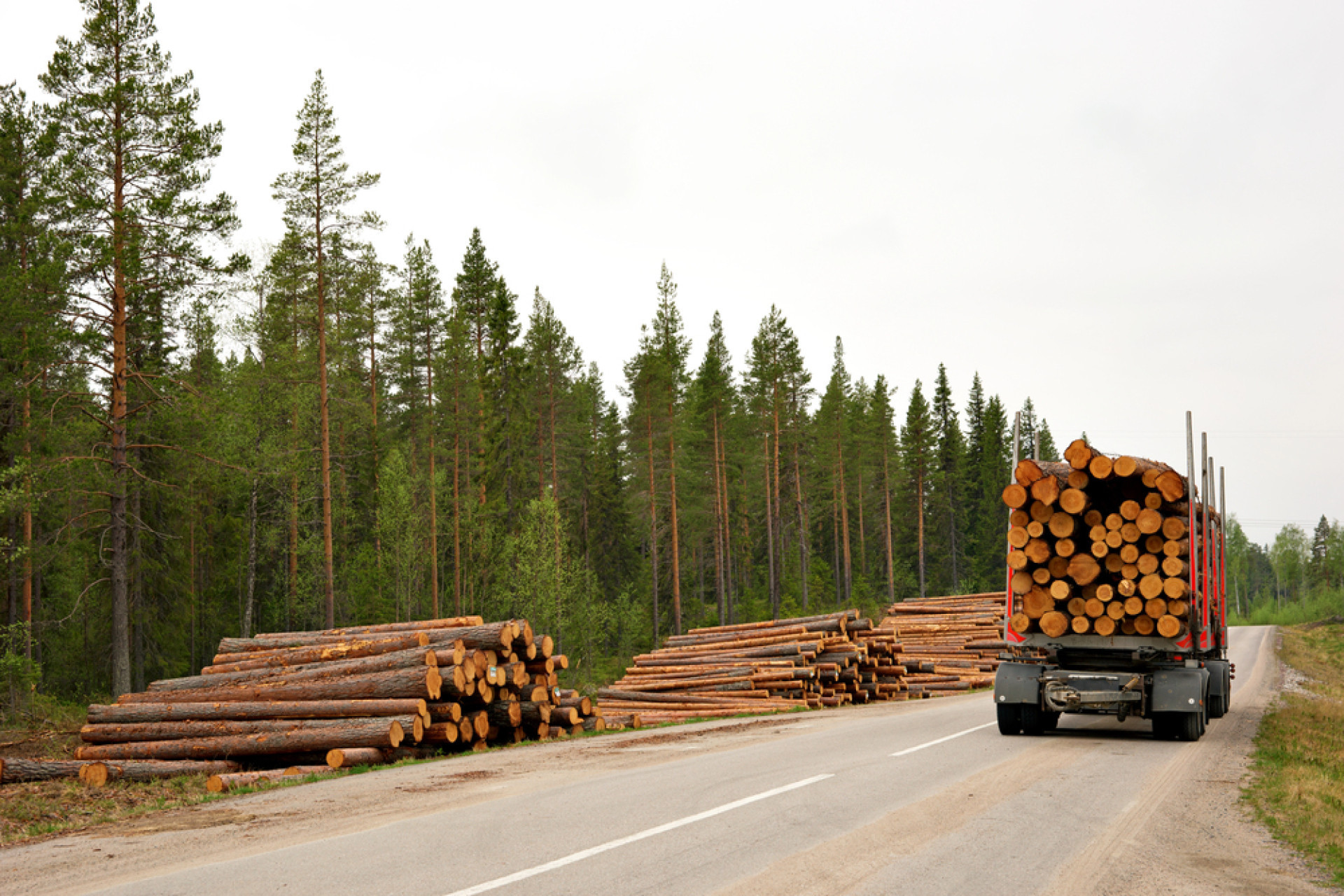
From December 5, 2025, a six-month ban was imposed on the export of certain timber products, including:
- fuelwood and cooperage wood;
- logs, piles, stakes and poles;
- wooden railway and tram sleepers, including treated ones;
- beams and girders made of coniferous wood;
- boards, planks and slats thicker than 6 millimeters.
The ban applies to exports to all countries. Exceptions are made for coniferous sleepers under a specific customs code and wood pellets produced in Kazakhstan.
Petroleum products
From November 20, 2025, to May 20, 2026, exports of gasoline, diesel fuel and certain petroleum products by road and rail are prohibited.
The restrictions do not apply to fuel in standard vehicle tanks (no more than once per day), lubricating oils, products for scientific and laboratory testing, or humanitarian aid approved by the government.
In addition, from January 1 to June 30, 2026, exports outside the EAEU of light distillates, aviation kerosene, diesel fuel, gas oils, toluene, xylene and petroleum bitumen are banned.
Liquefied gas
From November 11, 2025, a six-month ban was introduced on exporting liquefied petroleum gas, propane and butane by road and rail. Exceptions apply to producing companies operating under approved subsoil use contracts, products made from Kazakhstani raw materials at the Karachaganak field under international agreements, transit shipments that begin and end outside Kazakhstan, and humanitarian aid shipments.
Agricultural animals
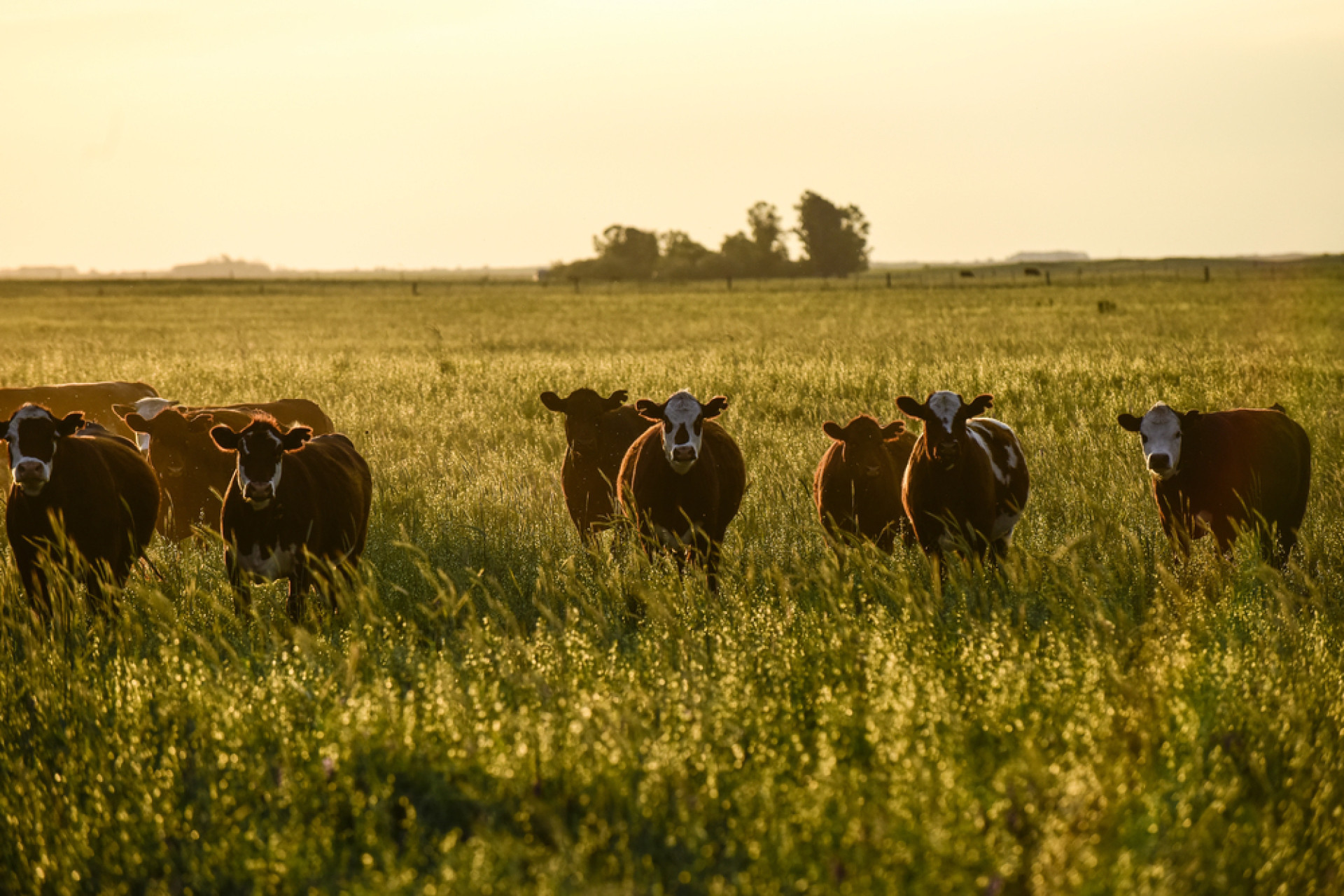
Until April 30, 2026, the export of young cattle is prohibited. In addition, from October a six-month ban was imposed on exporting breeding stock of large and small livestock.
What must be declared at the border
The State Revenue Committee reminded travelers that certain categories of goods and valuables must be declared in writing when crossing Kazakhstan’s customs border.
According to Article 343 of the Customs Code, passenger customs declarations must include goods for personal use exceeding established limits or subject to restrictions, cash and traveler’s checks over $10,000, other monetary instruments regardless of amount, vehicles for personal use (with some exceptions), cultural valuables, vehicle parts and other specific goods.
Declarations are submitted at the customs checkpoint where the border is crossed or goods are stored or delivered.
Exporting foreign currency cash and monetary instruments exceeding $10,000 remains prohibited for all individuals, regardless of citizenship or purpose of travel.
What happens if customs rules are violated
The State Revenue Committee warns that failure to comply with bans, restrictions and declaration rules entails liability. Administrative cases related to customs violations are handled under Kazakhstan’s Administrative Code. If there are signs of a criminal offense, investigations are conducted by the Economic Investigations Service.
In cases where import or export limits are exceeded without declaration, customs duties and taxes must be paid, and in some situations goods may be confiscated.

