

 +7 (777) 001 44 99

 Қазақша
 Русский
 English


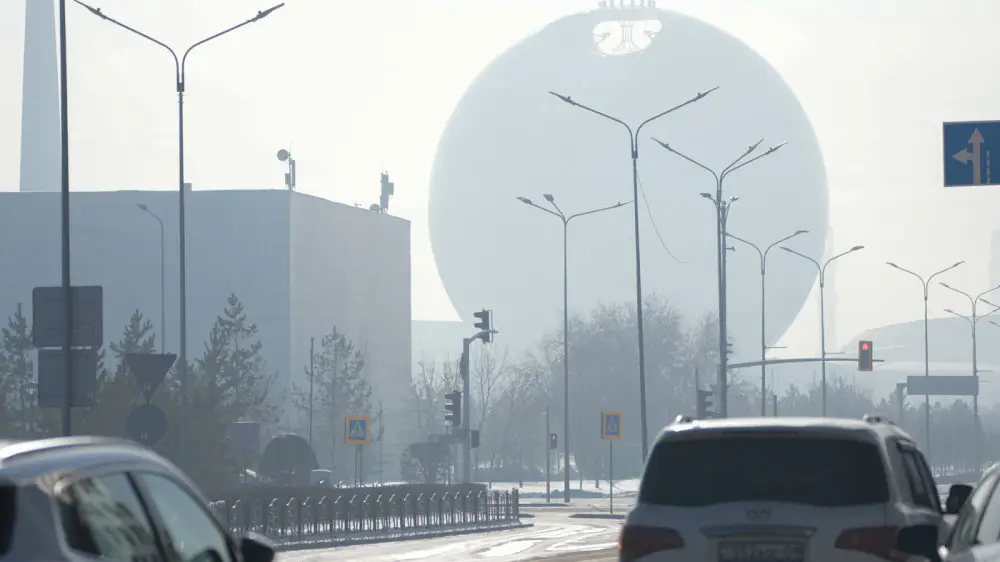
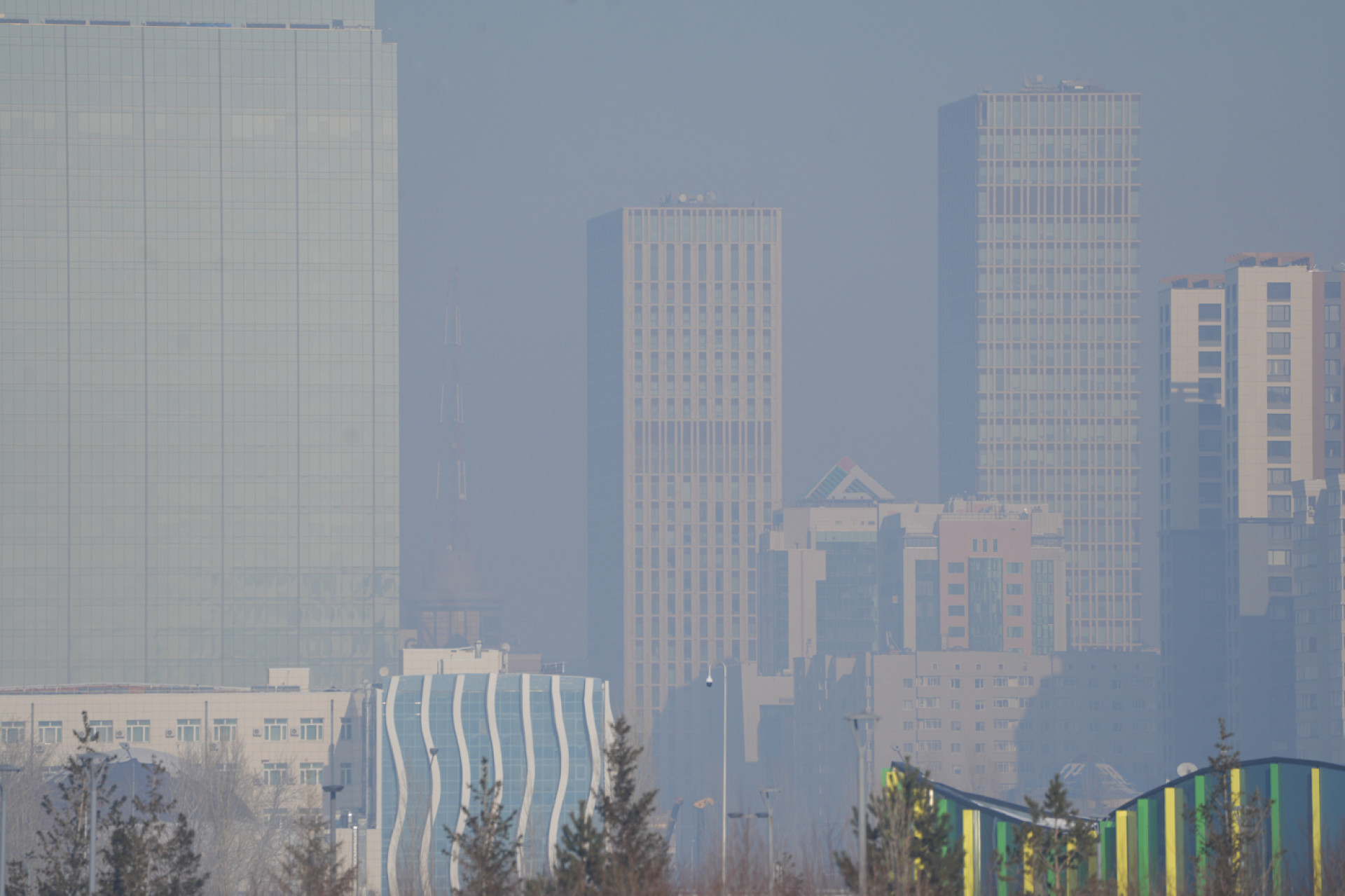
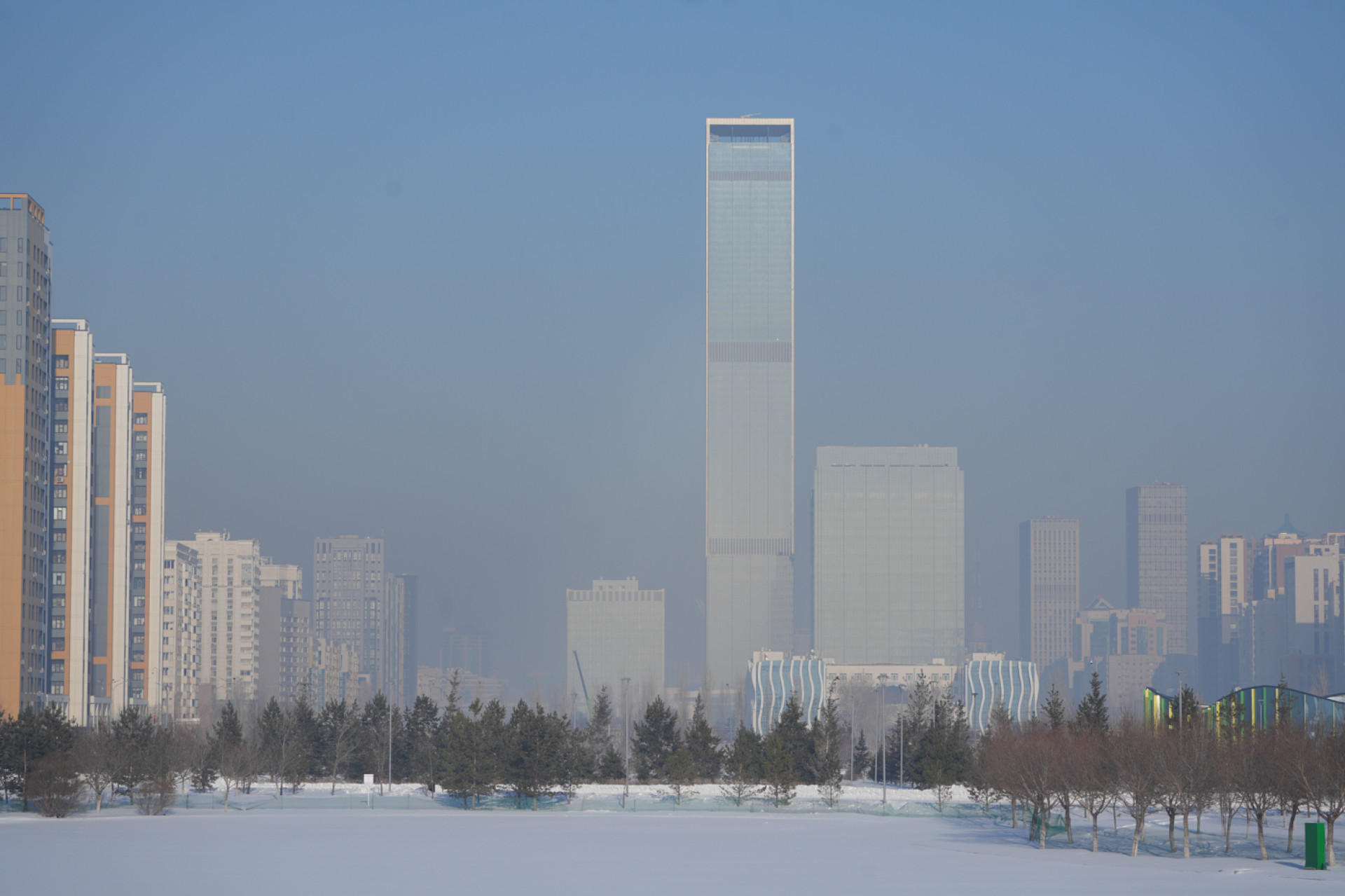
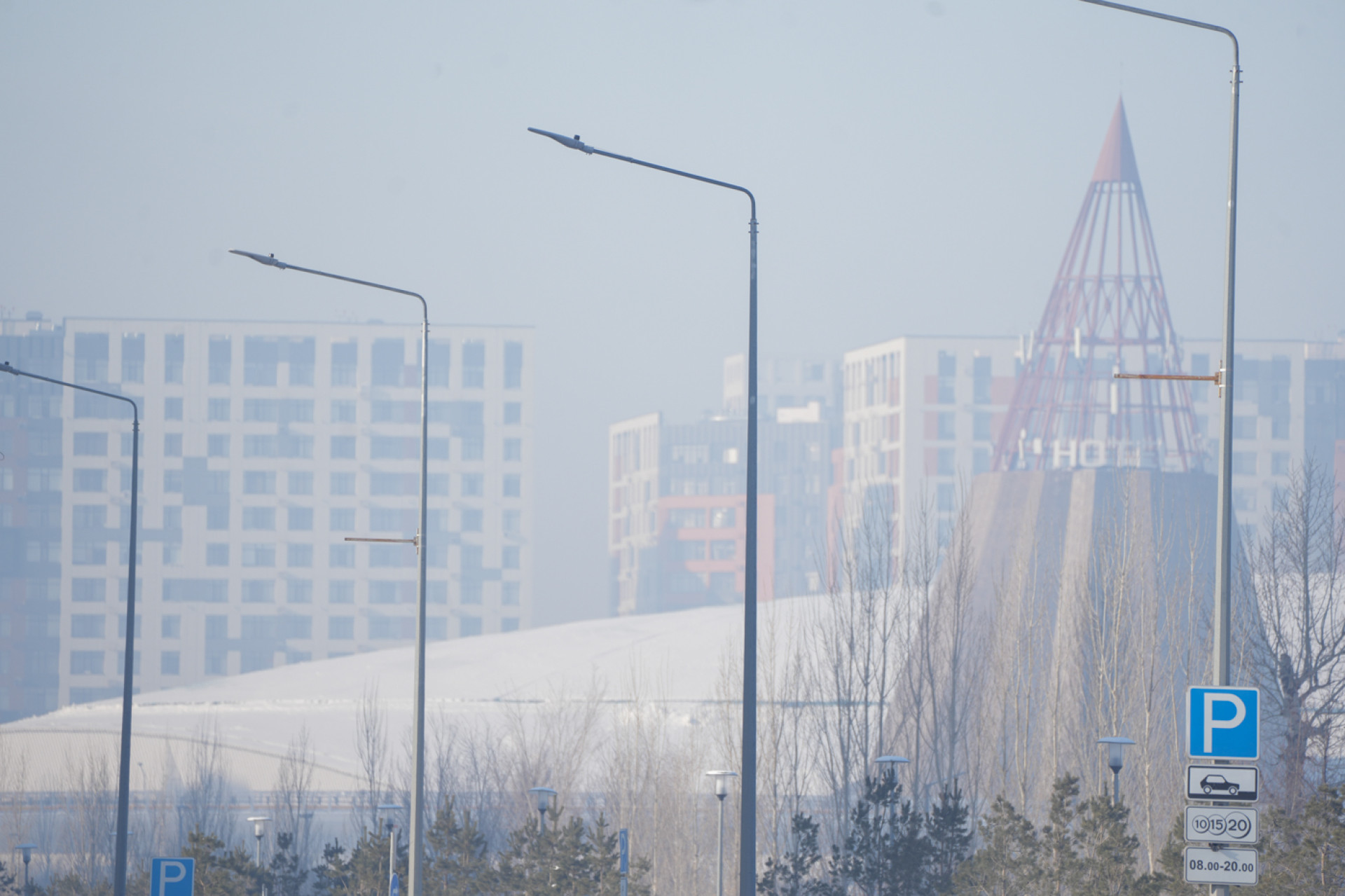
Tengrinews.kz — For several days in a row, residents of Astana have been seeing the city through a dense layer of smog. Due to the lack of wind, air pollutants have accumulated in the atmosphere. Specialists from Kazhydromet explained the reasons behind the phenomenon to Tengrinews.
According to air quality monitoring data, 31 cases of exceedances of maximum permissible concentrations (MPC) of pollutants were recorded in Astana on the previous day at several stationary observation posts.
“At the same time, pollution levels did not reach the ‘high’ category. In such cases, Kazhydromet sends official notifications to government bodies, but during this period there were no grounds to do so,” meteorologists reported.
Exceedances were recorded at monitoring post No. 10 located on Munaitpasov Street, on the territory of Eurasian National University.
Specifically:
- nitrogen dioxide — 5 cases up to 1.3 MPC;
- carbon monoxide — 7 cases up to 1.3 MPC;
- suspended particles up to 10 micrometers (PM10) — 3 cases up to 1.2 MPC;
- suspended particles up to 2.5 micrometers (PM2.5) — 10 cases up to 2.2 MPC.
At monitoring post No. 6 on Kabanbay Batyr Avenue, located on the campus of Nazarbayev University, six exceedances of PM2.5 were recorded, with concentrations reaching up to 1.3 MPC.
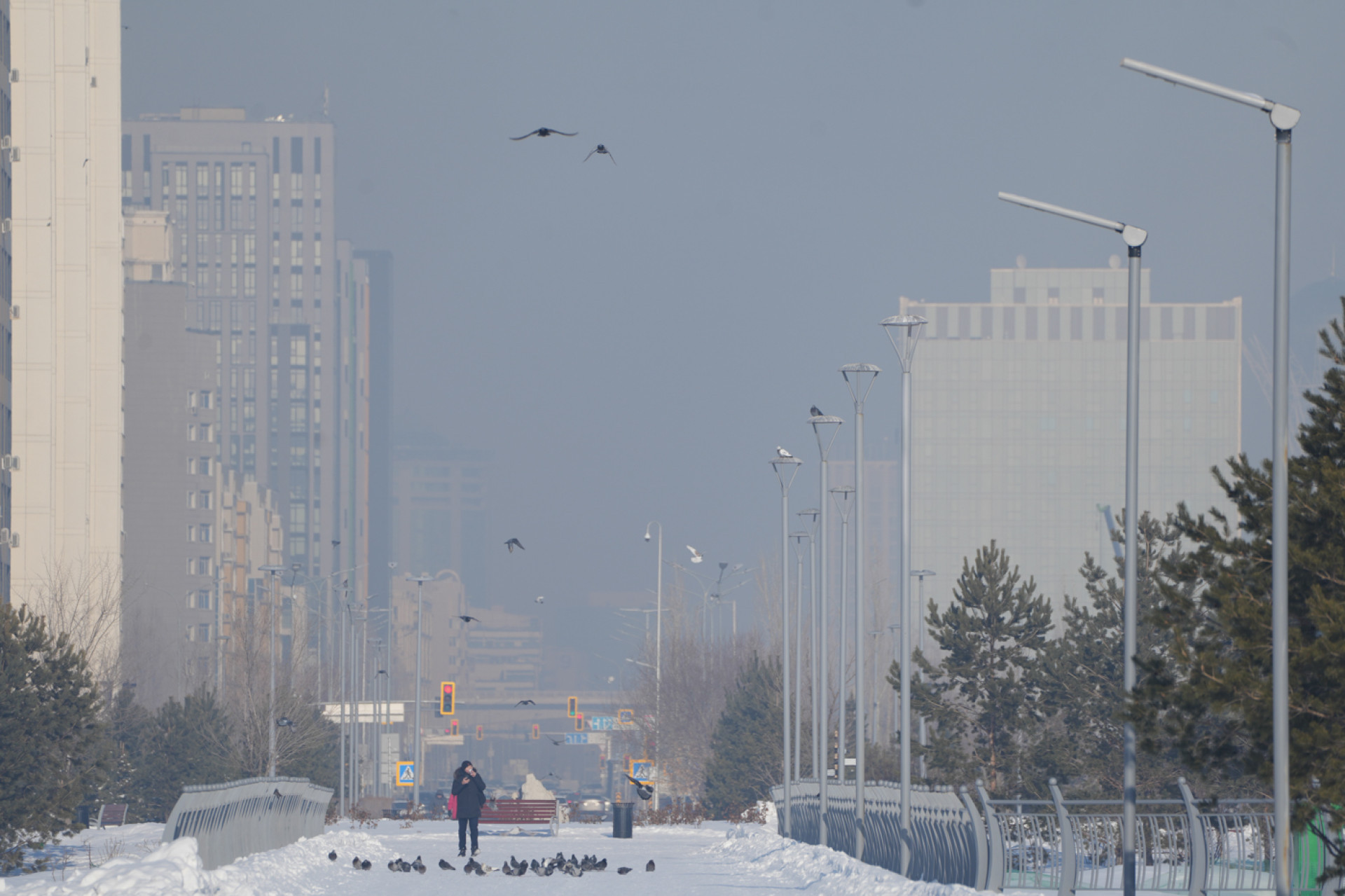
According to meteorologists, Astana experienced dry weather on January 28. The air temperature was minus 13.9°C. Winds were from the north and northwest at around 1 meter per second, with gusts reaching up to 5 meters per second.
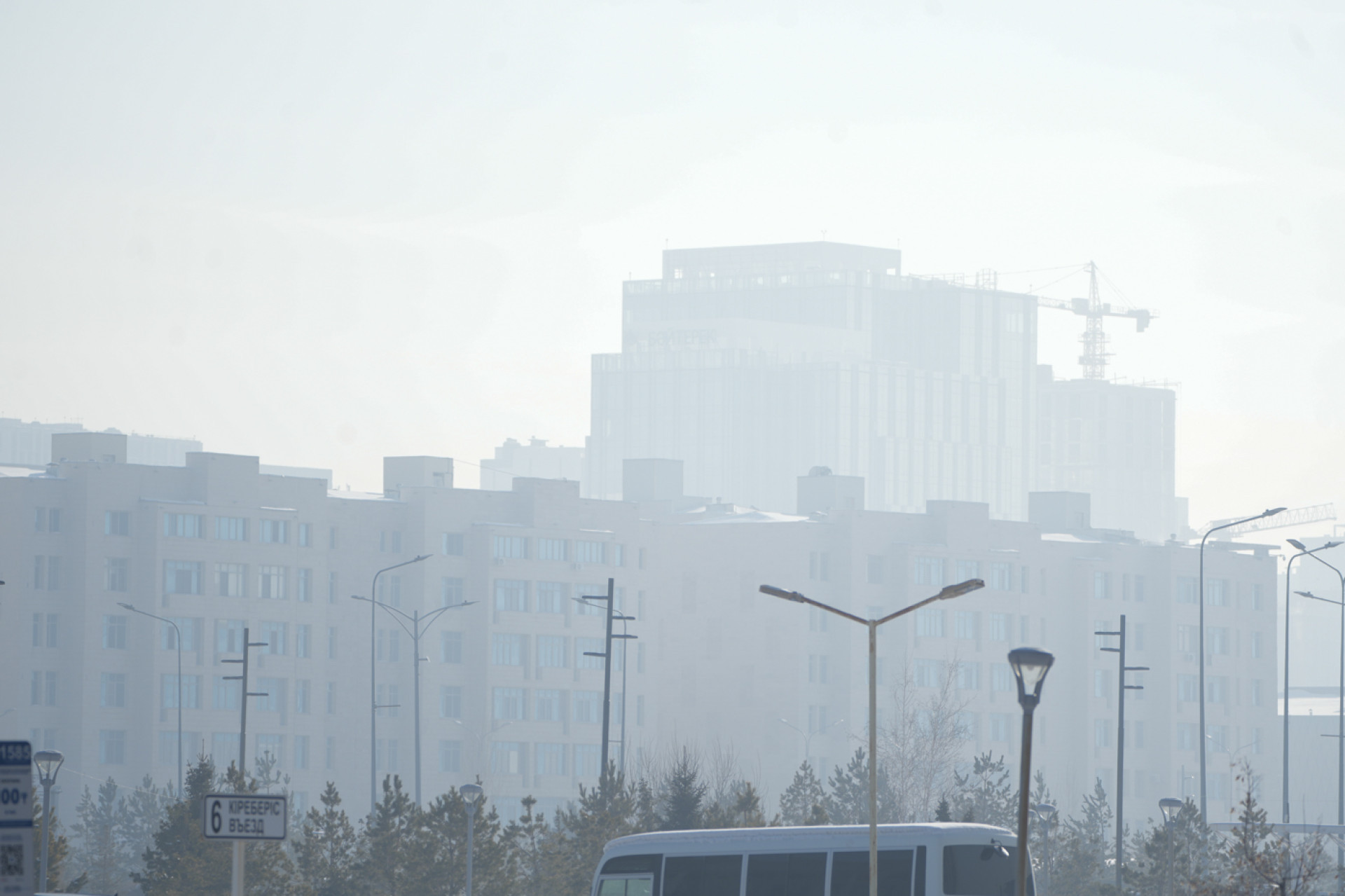
Although forecasts initially predicted a reduced level of air pollution, actual meteorological conditions contributed to the accumulation of pollutants in the lower atmospheric layer.
The absence of precipitation and weak wind prevented the dispersion of emissions, which became the main reason for the smog and deterioration of air quality.
On Thursday, January 29, Kazhydromet warned that Astana is expected to experience an elevated level of air pollution.
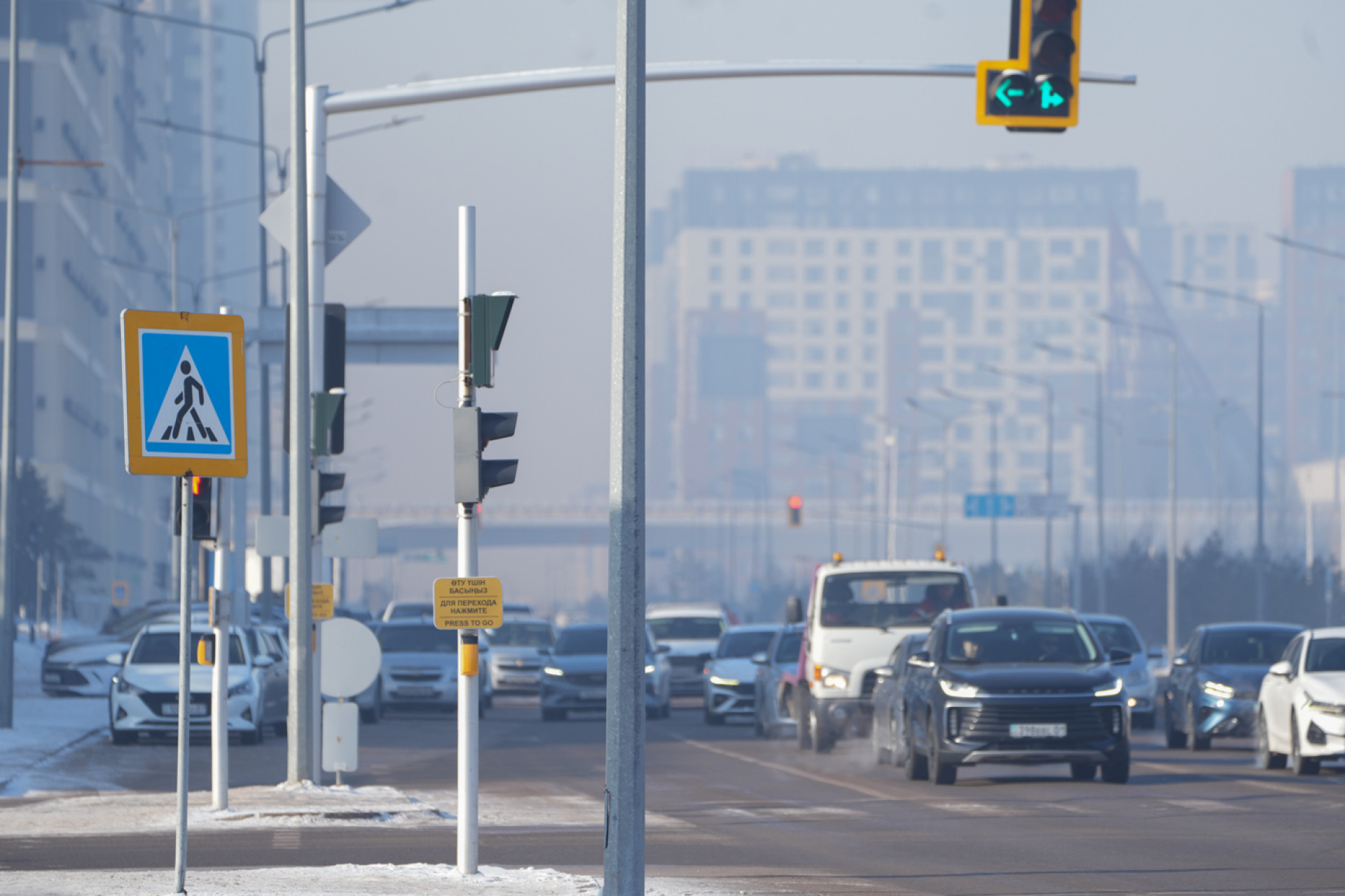
The main pollutants include:
- suspended particles PM2.5 and PM10;
- sulfur dioxide;
- carbon monoxide;
- nitrogen dioxide and nitrogen oxide;
- hydrogen sulfide.
Earlier, Kazhydromet warns residents of Astana, Almaty and nine other cities about air quality.


