
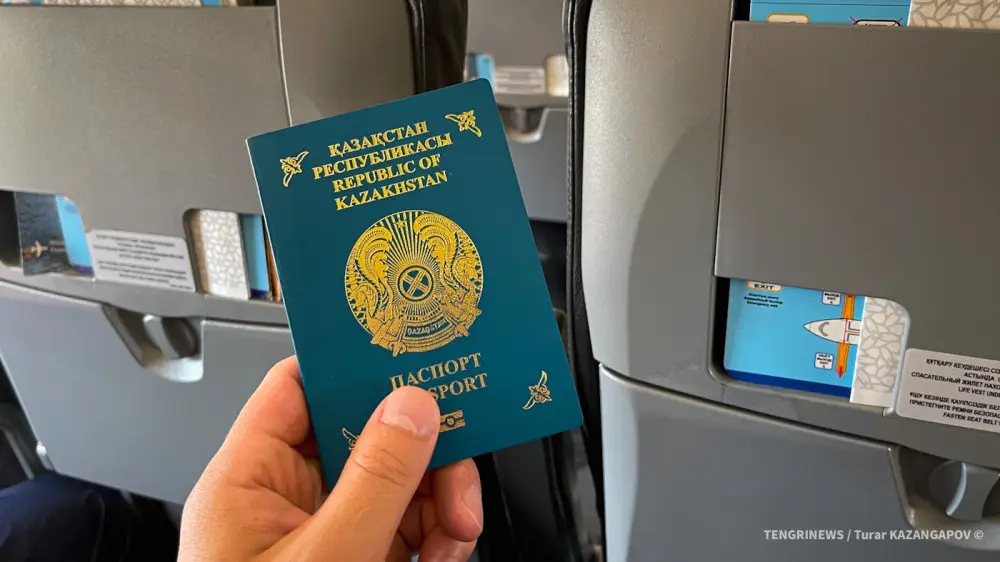
Tengrinews.kz – Starting October 12, countries in the Schengen Area will begin rolling out a new digital border control system — the Entry/Exit System (EES), which will replace traditional passport stamps with electronic registration.
Why the system is being introduced
According to the European Commission, the new system is designed to improve security, combat illegal migration, and simplify monitoring of foreigners’ stay in the Schengen zone. EES will:
- provide more accurate tracking of allowed stay periods,
- gradually reduce border control waiting times,
- lower risks of identity theft and forged documents,
- strengthen security and support counterterrorism efforts.
How it works
On their first trip, travelers will need to register by providing passport details, facial biometrics, and fingerprints. Data will be stored for three years. On subsequent visits, only biometric verification will be required.
No extra documents are needed beyond a valid passport and Schengen visa. Registration is free and done directly at border control. Refusal to provide biometric data means entry into the EU will be denied.
All data will be stored under the supervision of national authorities and the EU Agency for the Operational Management of Large-Scale IT Systems (eu-LISA), with protection standards compliant with GDPR. Travelers have the right to access their data, correct errors, or request deletion on legal grounds.
Where it applies
The EES will be implemented across 25 EU countries in the Schengen Area, plus four non-EU Schengen states: Iceland, Liechtenstein, Norway, and Switzerland.
Ireland and Cyprus will continue stamping passports manually.
Who it affects
The rules apply to citizens of non-EU countries, including Kazakhstan, whether traveling with short-term visas or visa-free. They do not apply to EU residents, residence permit holders, or those entering on long-term grounds such as study or research.
Countries can roll out the system gradually. The Netherlands, for instance, will start phasing in EES from October 2025, with full implementation planned by April 10, 2026. Until then, some border points will still issue passport stamps.
What data is collected
For visa holders: only a facial photo, as fingerprints are already submitted with the visa application.
For visa-free travelers: facial photo plus four fingerprints.
Children under 12 are exempt from fingerprinting.
The system will also log:
- dates and border crossing points,
- permitted stay length (automatically applying the “90 days in 180” rule),
- refusals of entry,
- overstays.
What Kazakh travelers should keep in mind
Queues may increase in the first months after launch, especially in busy airports. Over time, automated kiosks will help speed up registration.
Importantly, for Kazakh citizens the visa regime remains unchanged — a Schengen visa is still required. However, the new system will automatically record any overstays. Even minor violations could result in fines or future visa refusals.
Kazakhstan and the European Union are currently negotiating a visa facilitation agreement.
It may include shorter processing times, fewer required documents, lower fees, more options for multiple-entry visas, and special categories of applicants eligible for simplified procedures.

