“You’ll ruin your stomach without soup,” “you shouldn’t eat after six,” “tea with milk is healthier than water” — almost every Kazakhstani is familiar with this kind of advice.
It is passed down in families from generation to generation and has long become part of tradition. A Tengrinews.kz correspondent looked into which beliefs really help preserve health and which are myths.
Will your stomach be damaged if you don’t eat soup
Perhaps one of the most persistent nutrition myths is the belief that without a bowl of soup, you can “ruin your stomach.” Many people have heard since childhood that the body definitely needs “liquid food,” otherwise digestive problems will arise.
However, nutritionist and dietitian Anastasia Kolpakova explains that soup is not a mandatory part of a healthy diet.
“Soup in itself does not guarantee healthy digestion. What matters much more is how well food is chewed and what the overall diet looks like.”

According to her, it is more important to maintain a balanced diet. Regular meals, enough vegetables, fruit, legumes and whole grains, a normal drinking regimen and the absence of strict restrictions affect digestion much more than whether soup is on the menu.
Can national dishes be eaten regularly without harming health
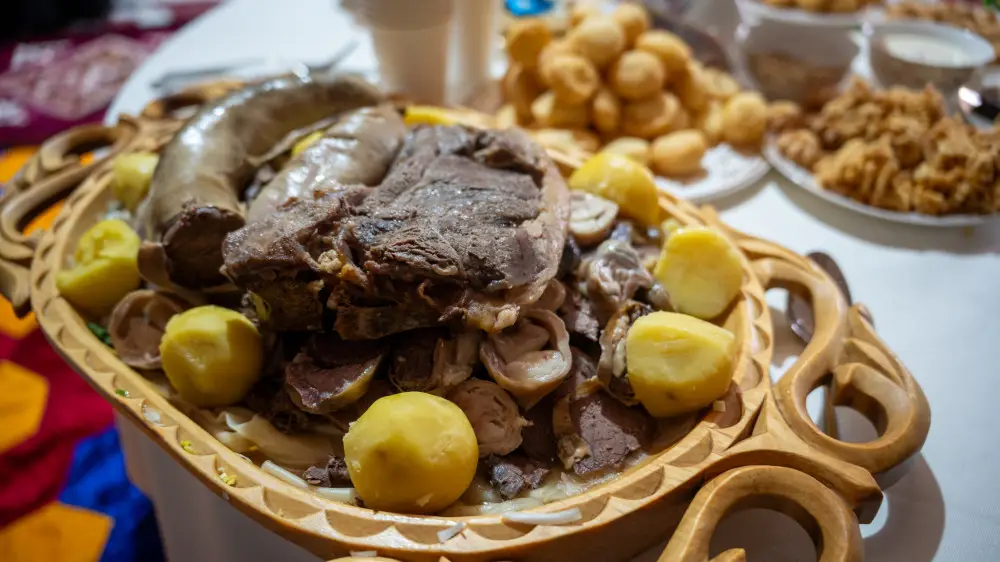
Almost no holiday, family celebration or even ordinary Friday gathering in Kazakhstan is complete without beshbarmak, kazy and other traditional meat dishes. Some consider such food harmful, especially if eaten often. Others believe that adding salad or onions to the meat is enough, and there is no reason to worry.
The dietitian, however, advises against dividing national cuisine into “harmful” and “healthy.” What matters much more is how often a person eats such dishes, in what quantities, and what their overall diet consists of.
“Beshbarmak, kazy and fatty meat are dishes with high energy density. They can contain a lot of calories, saturated fat and salt. Therefore, if they are eaten often and in large portions, especially with a sedentary lifestyle, this may increase the risks of weight gain, lipid metabolism disorders and cardiovascular diseases,” Anastasia Kolpakova explains.
But such food can be included in the diet. If 80 percent of a person’s nutrition consists of balanced meals, traditional dishes will not be contraindicated.
“For example, beshbarmak can be supplemented with a good portion of vegetables, visible fat can be removed from fatty meat where possible, and it can also be eaten with vegetables and herbs,” the expert advises.
Tea with milk: is it healthier than water and does it quench thirst
For many Kazakhstanis, tea with milk is much more than just a drink. People start the morning with it, serve it to guests, have it with lunch and end dinner with it. Some are convinced that this particular tea quenches thirst better, helps them wake up or concentrate at work. However, according to the dietitian, this is more a matter of habit than proven benefit.
“Tea with milk can be part of the diet if a person likes it and tolerates it well,” the expert says.
But the problem, Kolpakova notes, is often not in the drink itself, but in the fact that traditional Kazakh tea drinking rarely stops at one bowl of tea.
There are almost always cookies, sweets, baursaks, pastries or other desserts on the table, while milk, cream and sugar are added to the tea itself.
“Such tea drinking can become a full snack or even an additional meal in terms of calories. Therefore, for quenching thirst specifically, plain water remains the best option,” our interviewee clarified.
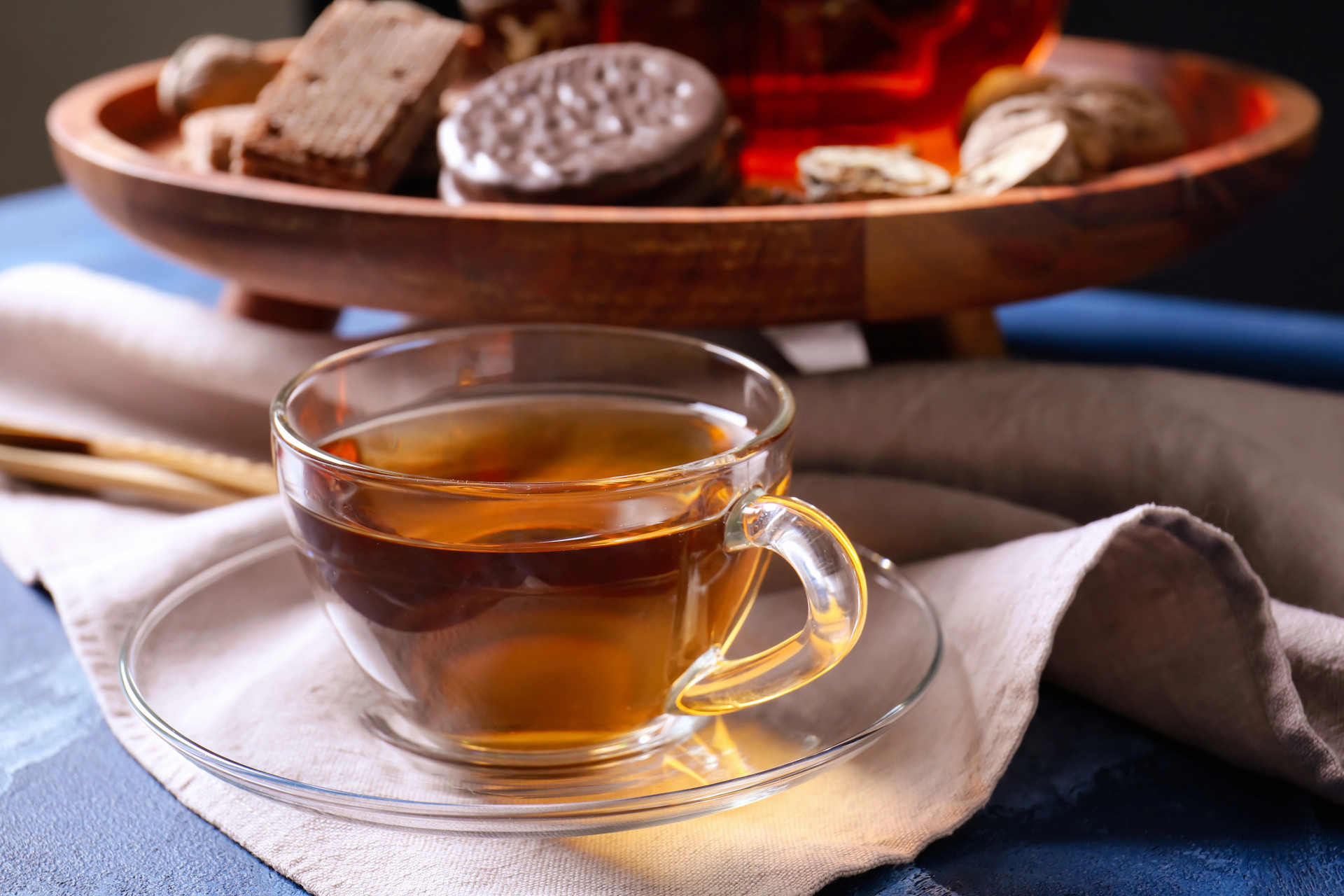 Photo: Depositphotos.com
Can kumys, shubat and ayran be consumed every day
Kumys, shubat and ayran also hold a special place in Kazakh cuisine. We asked whether these drinks can be consumed every day or whether there are still certain restrictions.
“But they do not replace a full diet. Individual tolerance should also be taken into account: some people tolerate fermented dairy drinks well, while others may experience gastrointestinal discomfort,” she warns.
As with other foods, if a person is healthy and tolerates these drinks well, a moderate portion every day may be acceptable.
Is it necessary to give up carbohydrates and stop eating after six to lose weight
Another popular myth says that in order to lose weight, one must completely give up carbohydrates and stop eating after 6 p.m.
Our expert refutes this view and says that what matters is creating a calorie deficit.
“Weight is gained not because of a specific product or macronutrient, but when the energy consumed through food exceeds the energy the body expends. The same works in reverse: for weight loss, a sustainable energy deficit is important,” the dietitian says.
Anastasia Kolpakova notes that sharply cutting carbohydrates does not in itself make weight loss faster or more proper. Moreover, sources of complex carbohydrates — cereals, whole-grain bread, legumes, vegetables and fruit — can be part of a balanced diet. They provide energy, dietary fiber, vitamins and minerals.
If a person restricts themselves all day and then “only drinks tea” in the evening with a large amount of sweets or pastries, this can interfere with weight loss and reinforce the habit of overeating in the evening.
“I would not recommend such a strict rule. It is better to focus on your daily routine, hunger cues and the composition of dinner. A light, balanced dinner in the evening is normal,” the nutritionist reassures.
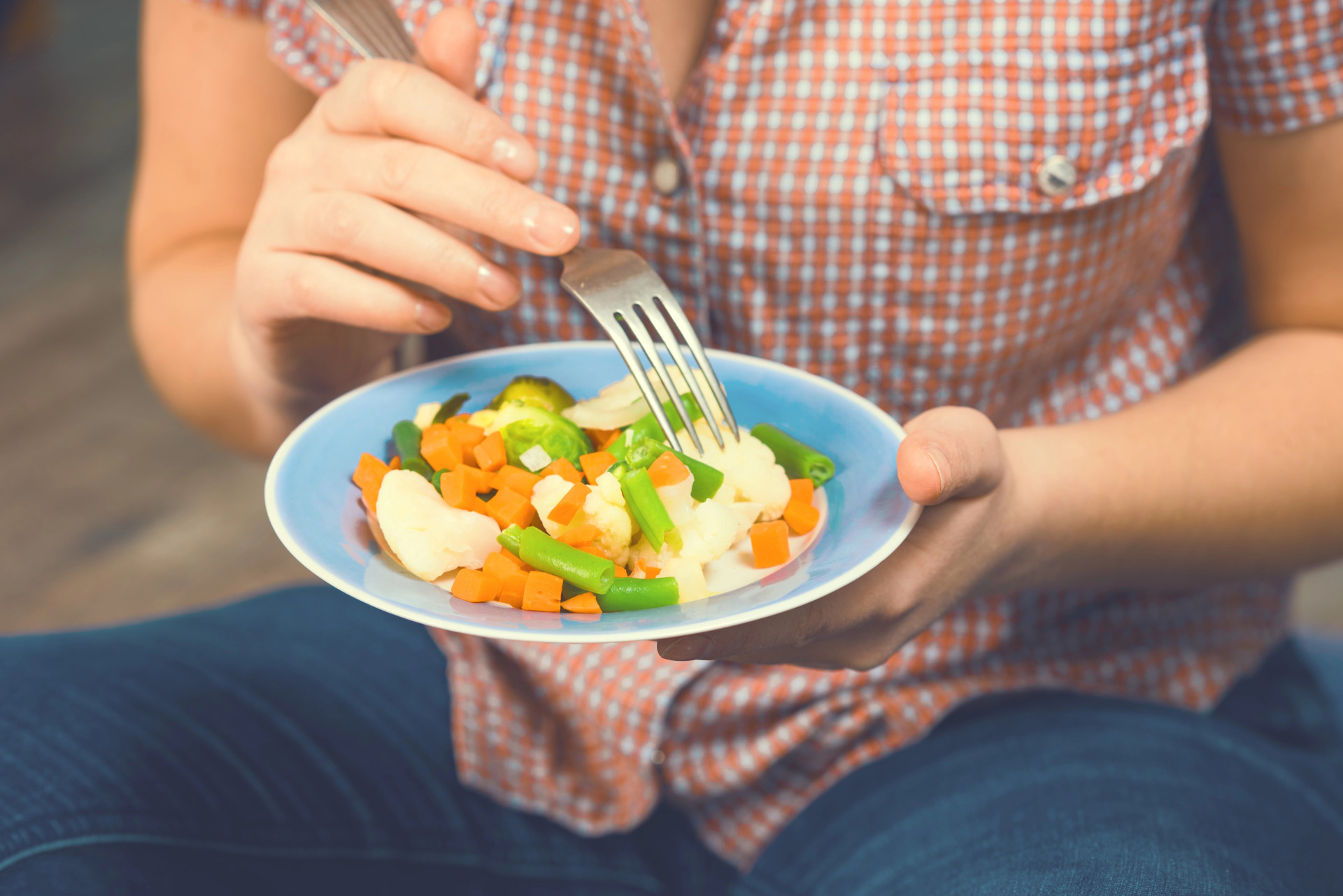 Photo: Depositphotos.com
Can you drink water with meals
Many people have probably heard from their parents since childhood that you should not drink water with food because it supposedly worsens digestion. That is why people were advised to eat first and drink afterward.
In reality, the dietitian says, water does not “dilute” gastric juice in a way that would stop digestion from working.
“Nothing bad will happen if you drink water during a meal; it does not disrupt the digestive process. Moreover, it can make eating easier, especially if the food is dry. Water also adds no calories,” Kolpakova explained.
It also does not matter whether a person drinks while sitting or standing.
Does food combining work, and can sweets only be eaten before lunch
The specialist also did not confirm the benefits of food combining. According to her, the human digestive system is naturally adapted to mixed foods and can digest proteins, fats and carbohydrates at the same time.
“The idea of food combining may sound logical, but from a physiological point of view, there is no need for it. Strict food rules can increase anxiety around food and rigid control over one’s diet in some people,” the specialist noted.
She called the rule that sweets should only be eaten before noon equally unfounded. The dietitian says there is no magic time after which sweets automatically become more harmful to one’s figure.
The overall number of calories, regularity of meals and portion size are more important than the specific time at which a person eats dessert.
Is a microwave dangerous to health
The expert also called concerns about microwave ovens a myth.
“A microwave heats food using microwaves, a type of non-ionizing electromagnetic radiation. It does not make food radioactive, does not ‘accumulate’ in products and does not turn them into carcinogens,” Anastasia Kolpakova explained.
Food heats up because molecules, including water molecules, begin to move more actively, producing heat, the specialist explained.
“A microwave should be used properly. You should not turn on an oven with a damaged door, use unsuitable plastic dishes or overheat liquids. The risks are not related to ‘radiation,’ but to burns, overheated food and unsafe cookware,” the expert added.
Is it true that modern vegetables and fruit no longer contain vitamins
This is a myth, Kolpakova says.
Vitamins are needed primarily by the plant itself for growth and metabolic processes, so if a person has a ripe fruit in front of them, it contains vitamins, the dietitian says.
Although their amount does depend on the variety, ripeness, storage conditions and preparation method, they do not disappear completely.
“To preserve more benefits, choose vegetables and fruit that are available to you and that you like, add seasonal products where possible, store them properly and wash them immediately before eating or cooking,” our speaker advised.
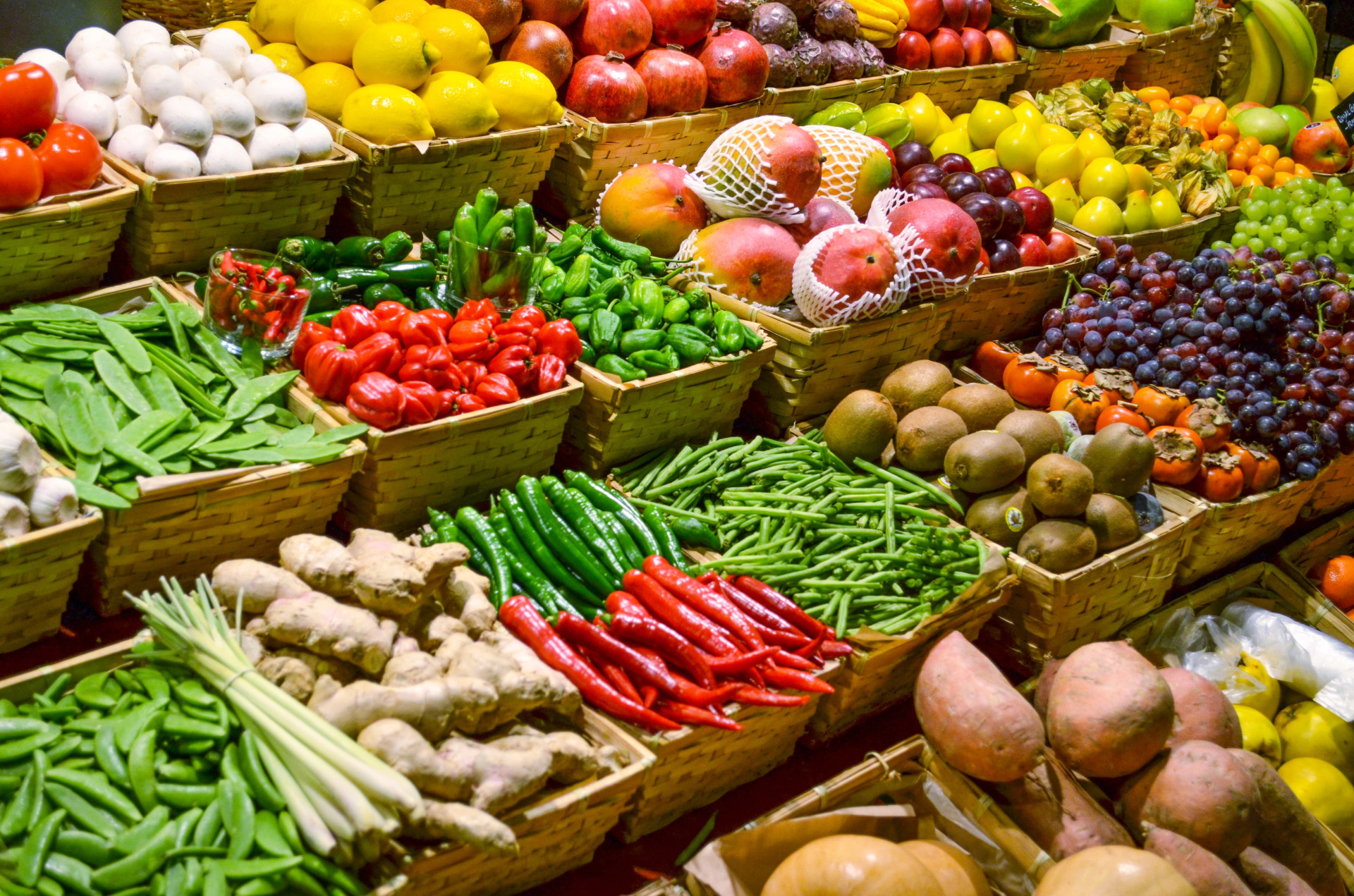 Photo: Depositphotos.com
Which eating habits of Kazakhstanis are actually harmful to health
According to the expert, the main problem remains excessive salt consumption.
“According to the World Health Organization, average salt intake in Kazakhstan is around 17 grams per day, while the WHO recommends consuming less than 5 grams per day. This is almost four times higher than the recommended level,” the specialist says.
She notes that excess salt is associated with an increased risk of arterial hypertension, cardiovascular disease and stomach cancer.
In second place is the frequent consumption of fatty and/or processed meat: salted, smoked and cured meat products, sausages, frankfurters, smoked meats and very fatty cuts of meat.
“This does not mean they need to be banned forever, but they should not be everyday foods,” Kolpakova warns.
The third harmful habit among Kazakhstanis is drinking tea with sweets several times a day.
According to the dietitian, many people do not perceive such snacks as a full meal, although in reality they can significantly increase sugar, fat and calorie intake.
The list is rounded out by a lack of vegetables, fruit, legumes and whole-grain products in the diet.
As the specialist explains, if the plate is mainly made up of meat and flour-based foods, the diet becomes less varied and the body receives less fiber.
“It is important to preserve traditions while eating in a healthier way: less salt and sugar, less processed meat and moderate portions of red meat, more vegetables and fiber, moderate portions and more attention to what we eat every day, not only on holidays,” Anastasia Kolpakova recommends in conclusion.