
Tengrinewsw.kz — For the first time, plans to build a light rail transit system in the capital were discussed back in 2005, and now, after more than 20 years, the project is reaching the finish line. Recently, the project operator, City Transportation Systems (CTS), officially announced the completion of test trials. The new transport system, which has become one of the most discussed facilities in the capital, is almost ready to receive its first passengers.
What is happening now on the overpasses and stations, how this alternative to regular buses is structured and, most importantly, when trains will start regular operation? Tengrinews.kz has collected everything known about the project at the moment.
Where you can get with the LRT
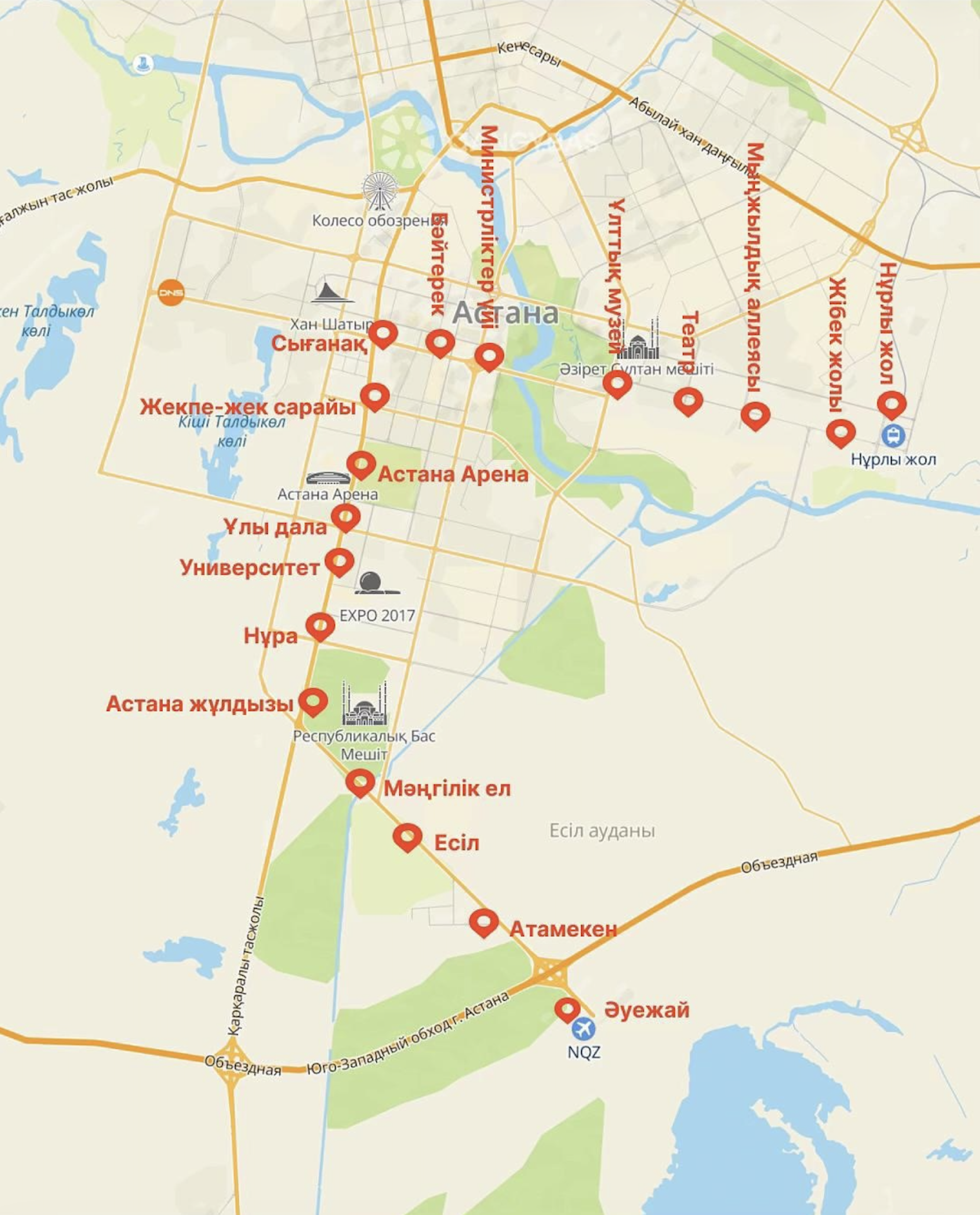
The LRT route will connect key points of the capital. The line starts from the international airport (where a depot for servicing trains has also been built) and ends at the Nurly Zhol railway station.
There are 18 stations along the way, which will pass through the main business centers and residential areas of the city.
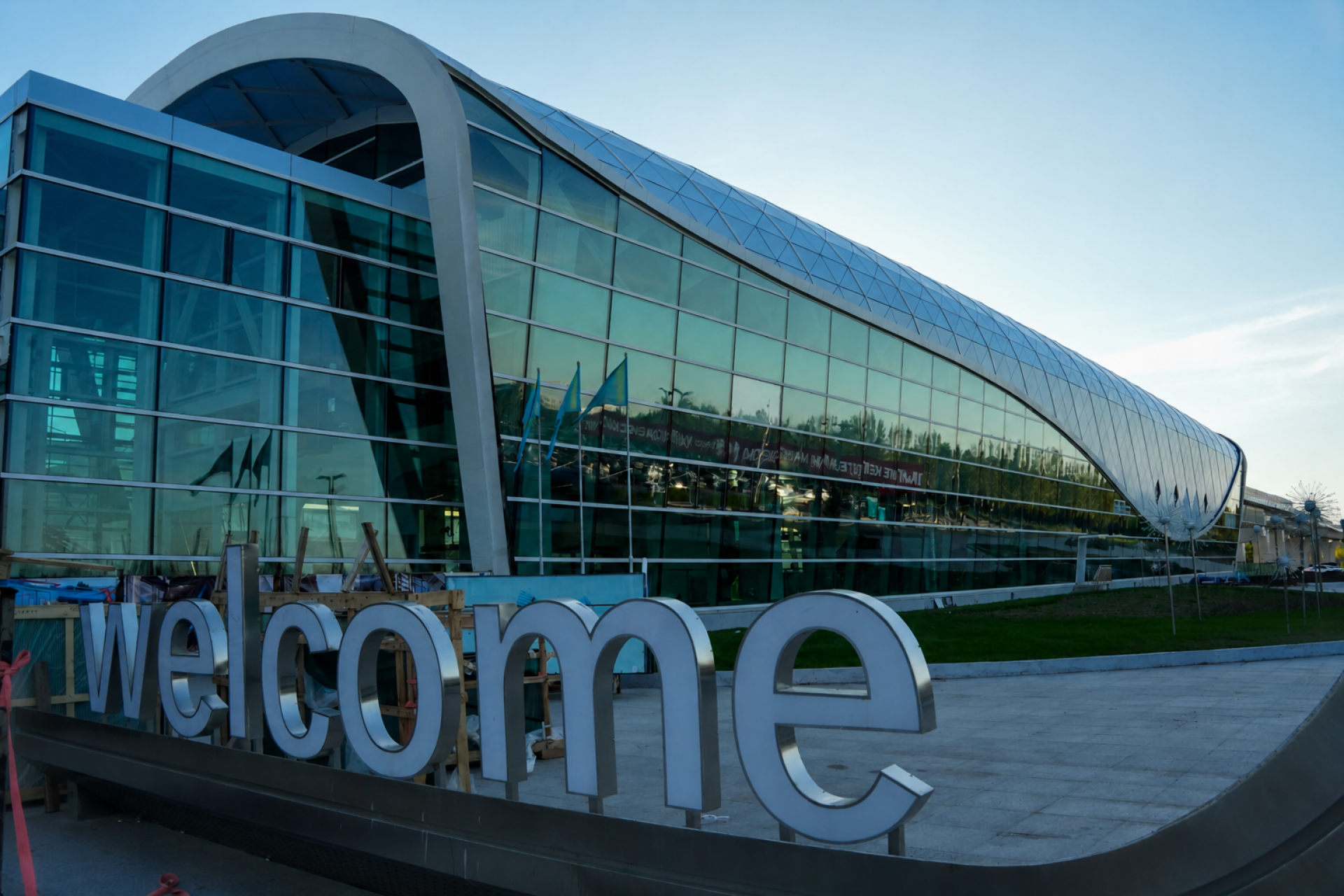
Navigation signs have already been installed at the airport. LRT will become another way to get to the city, in addition to buses and taxis. The cost of the trip is 200 tenge.
What is inside the stations and trains?
There are no passengers on the line yet, the official launch is still ahead. Now final finishing works are being completed on the overpasses and stations. Nevertheless, it is already clear what the above-ground metro will look like inside.
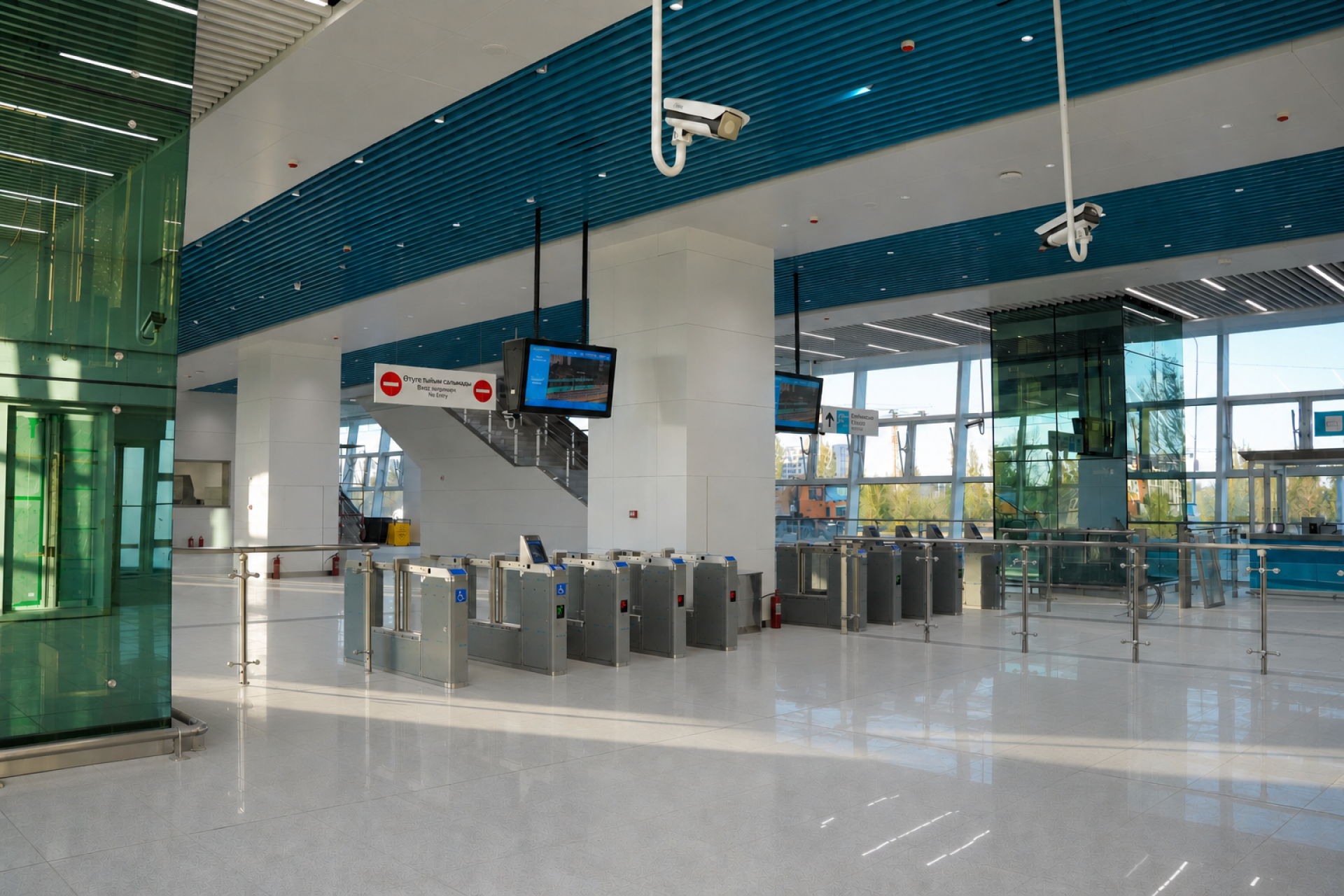
Passengers will be able to buy tickets or transport cards in two ways: at ticket offices, where staff are already being actively recruited, or through self-service machines at the station entrance.
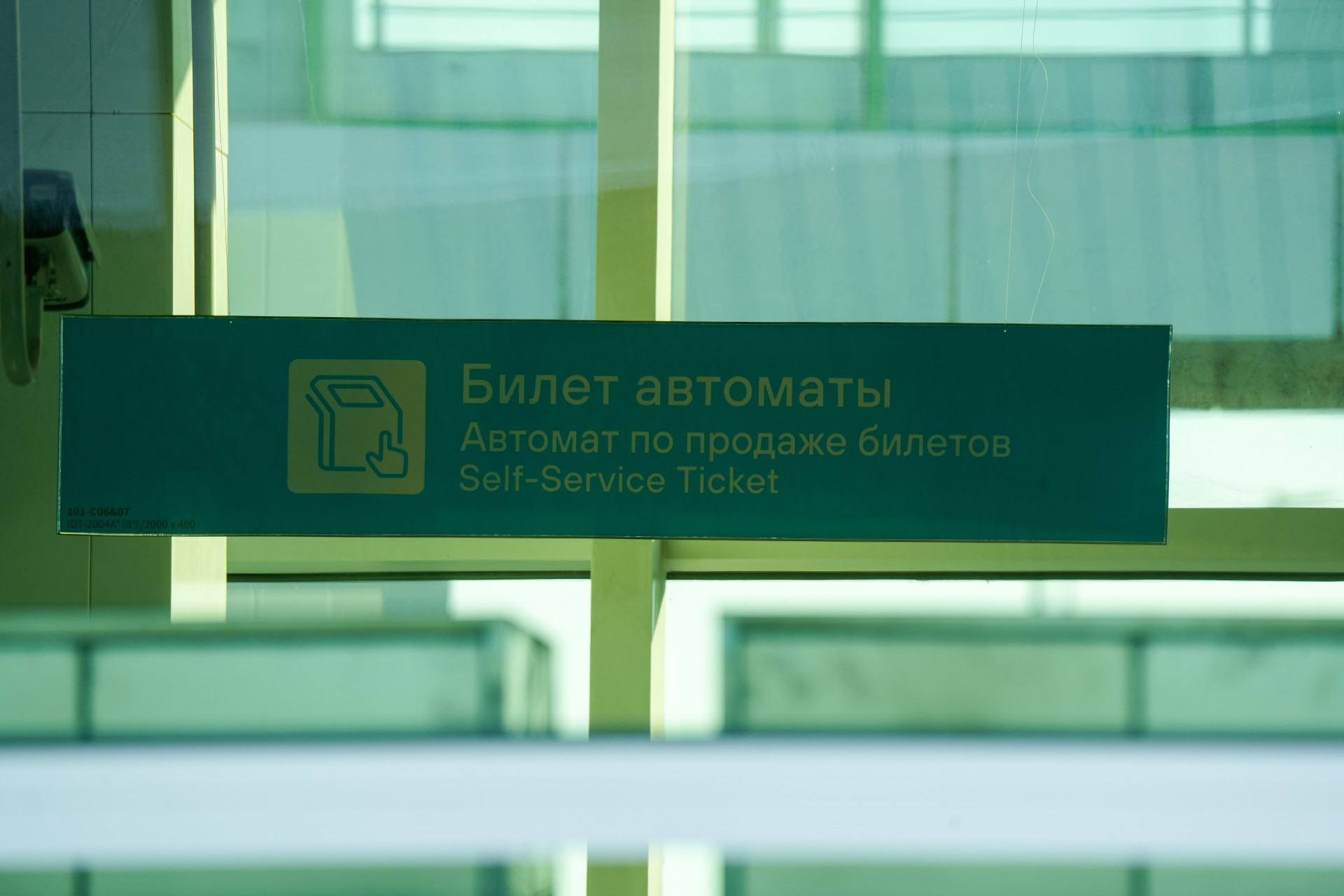
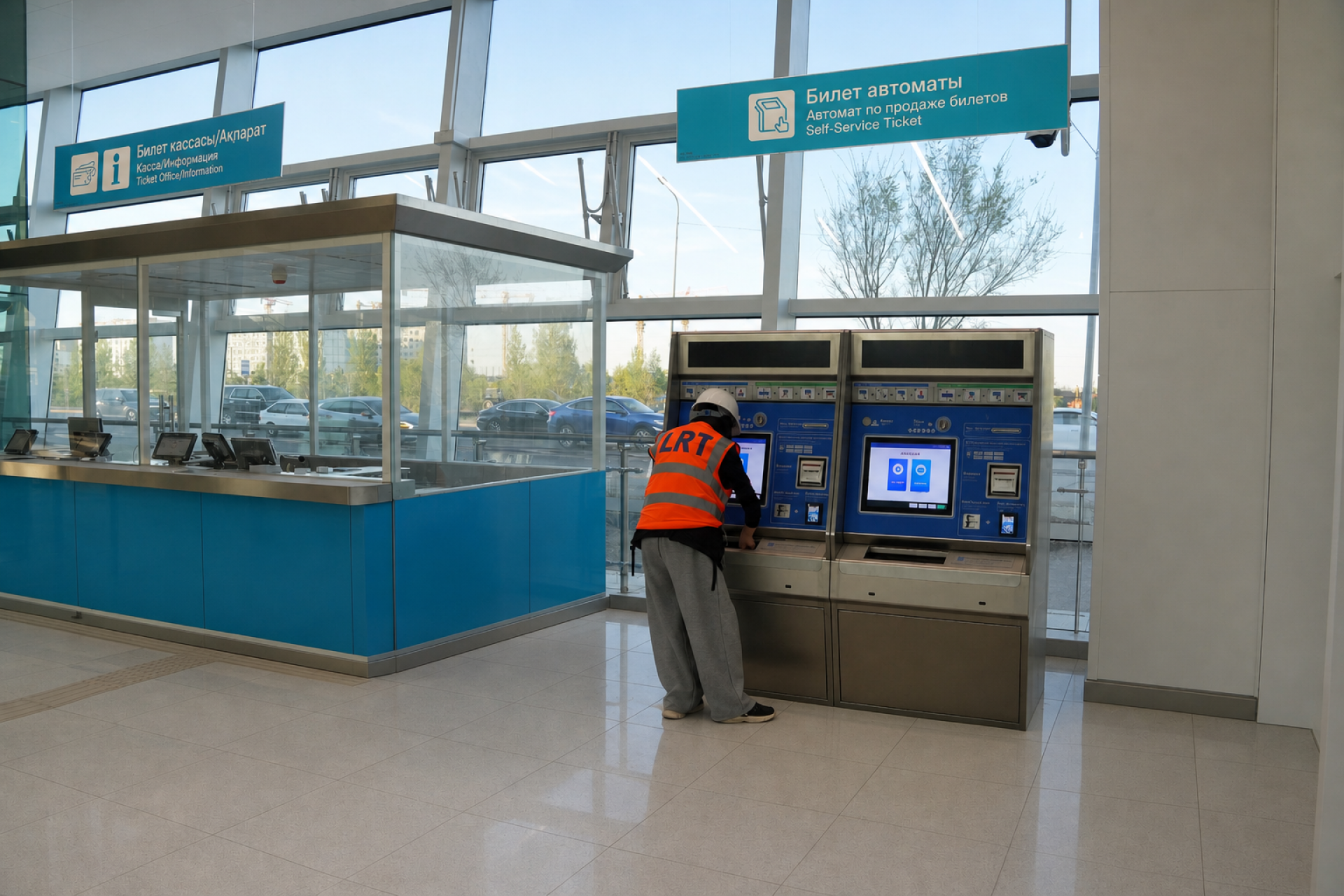
Navigation at stations is presented in three languages. Passengers will also be assisted by staff on duty who will work on the platforms.
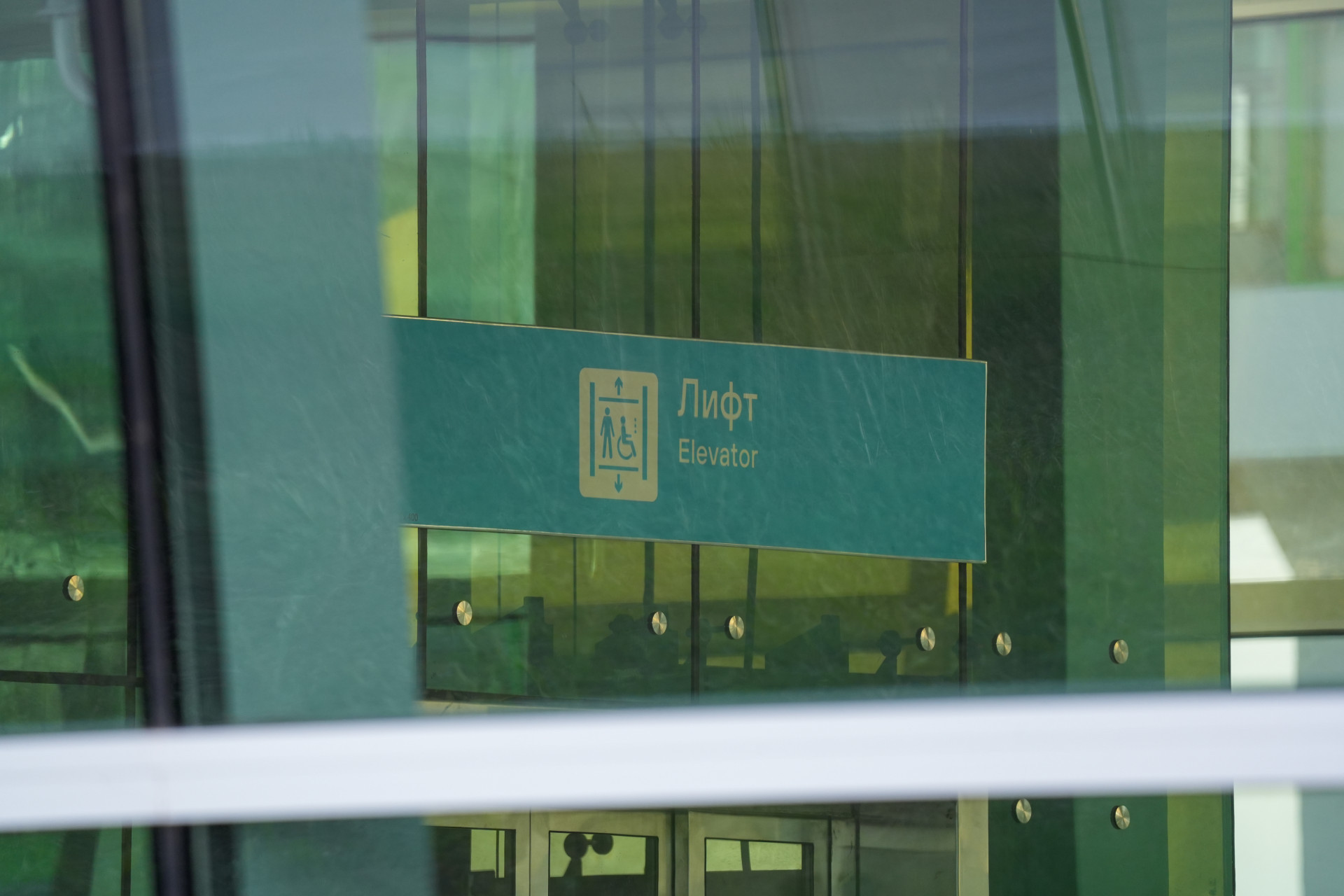
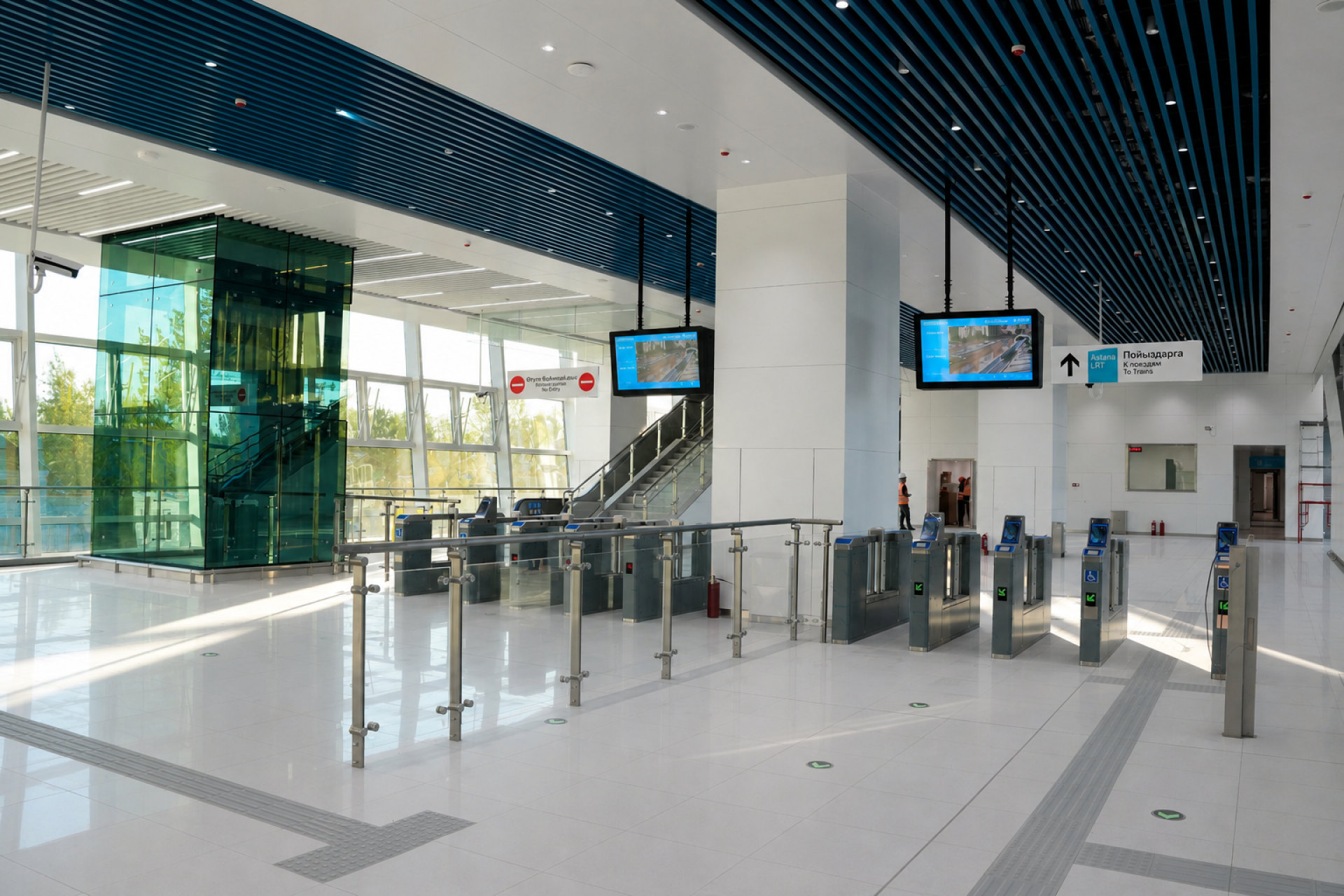
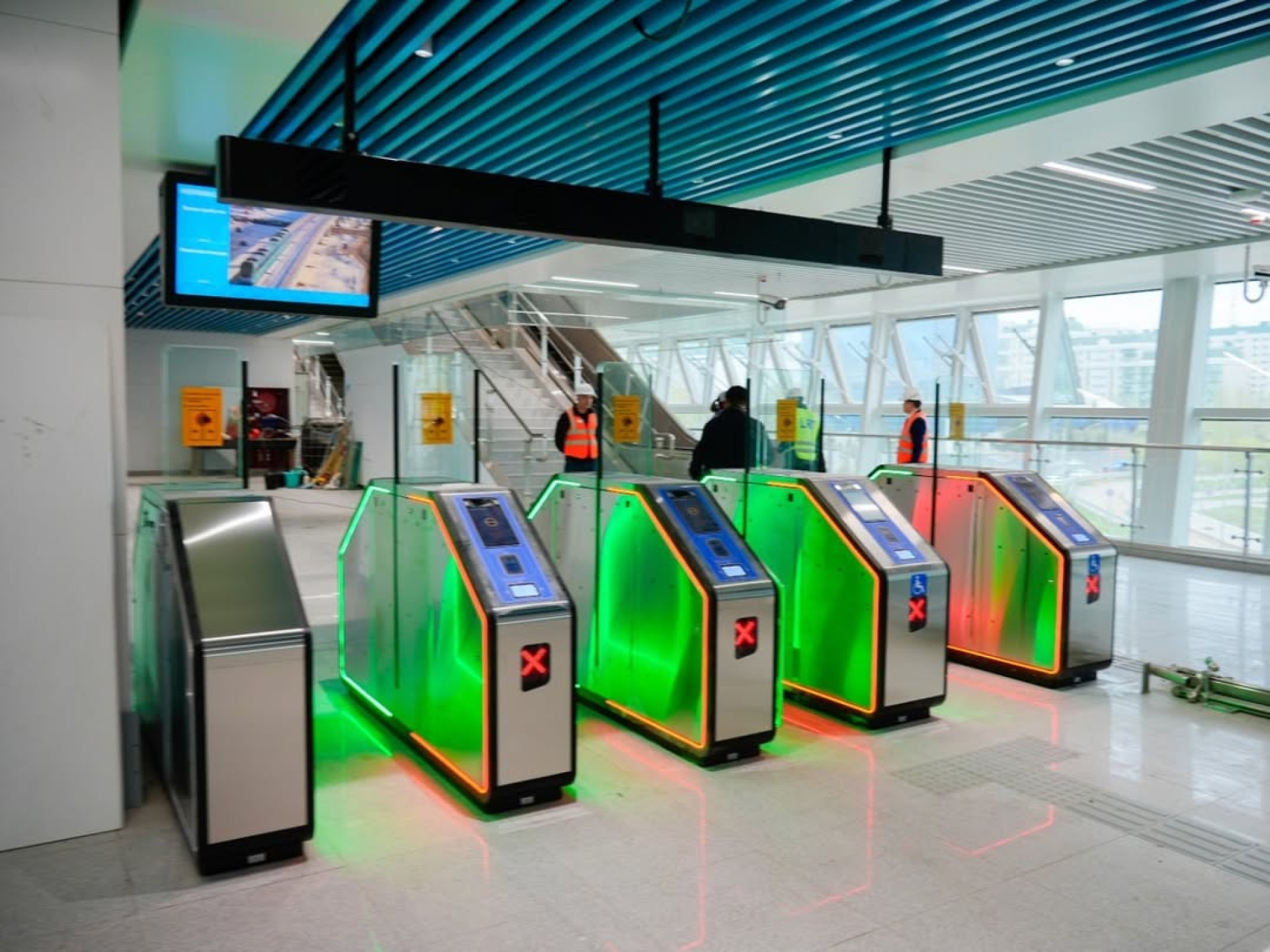
Since the LRT tracks run above the ground, the stations are two-level. The logic of movement is standard: passengers enter the first level, pay for the fare and pass through turnstiles, then go up to the second-level platform by escalator or elevator.
Platforms are isolated from the tracks by glass barriers, so it is impossible to accidentally fall onto the rails. Boarding is carried out through automatic sliding doors, which open only after the train arrives.
Recently, akim Zhenis Kassymbek showed the interior of the carriages. Bright yellow tones dominate inside — according to the idea, this color scheme should create a “sunny” atmosphere regardless of the capital’s weather.
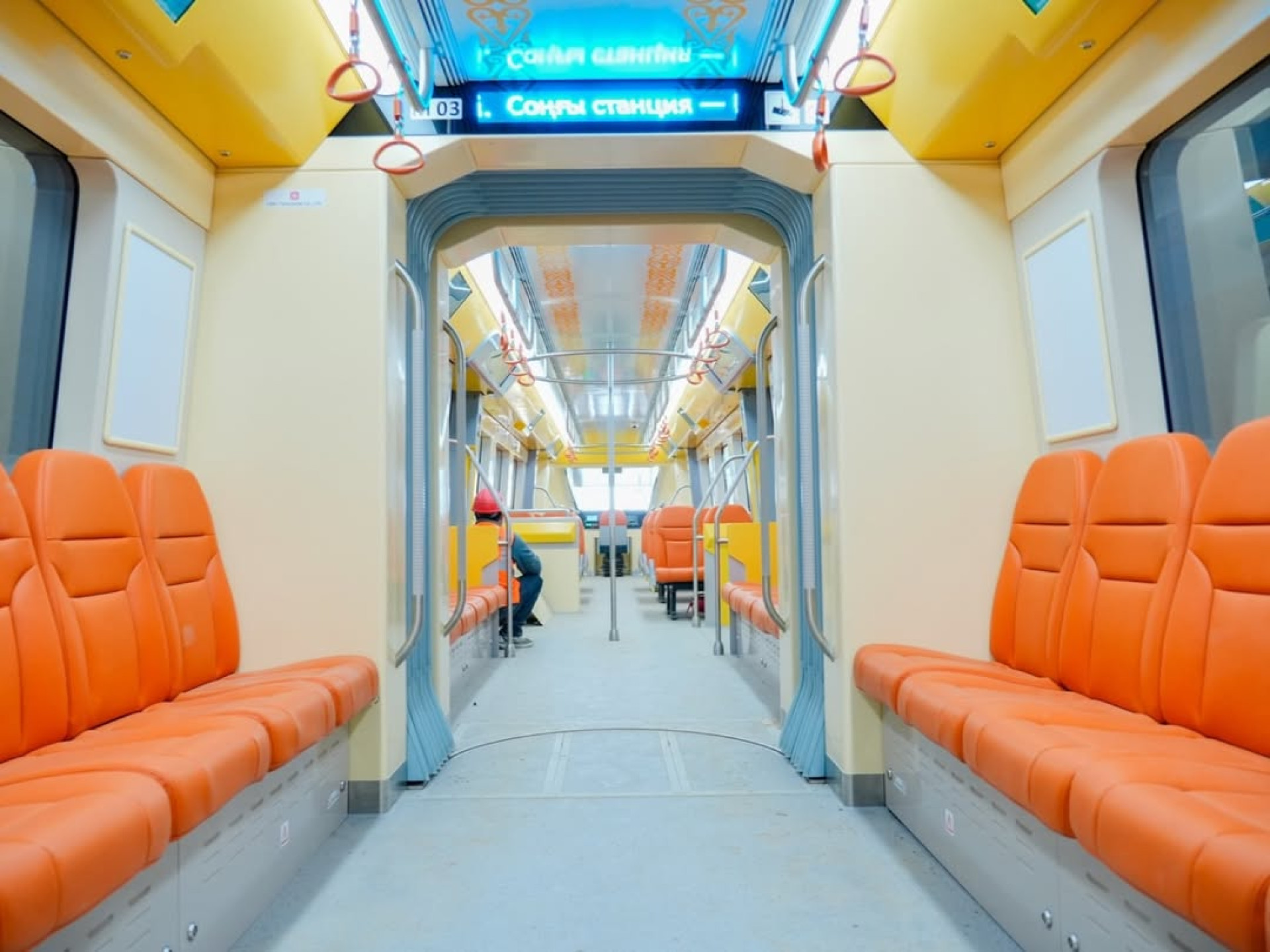
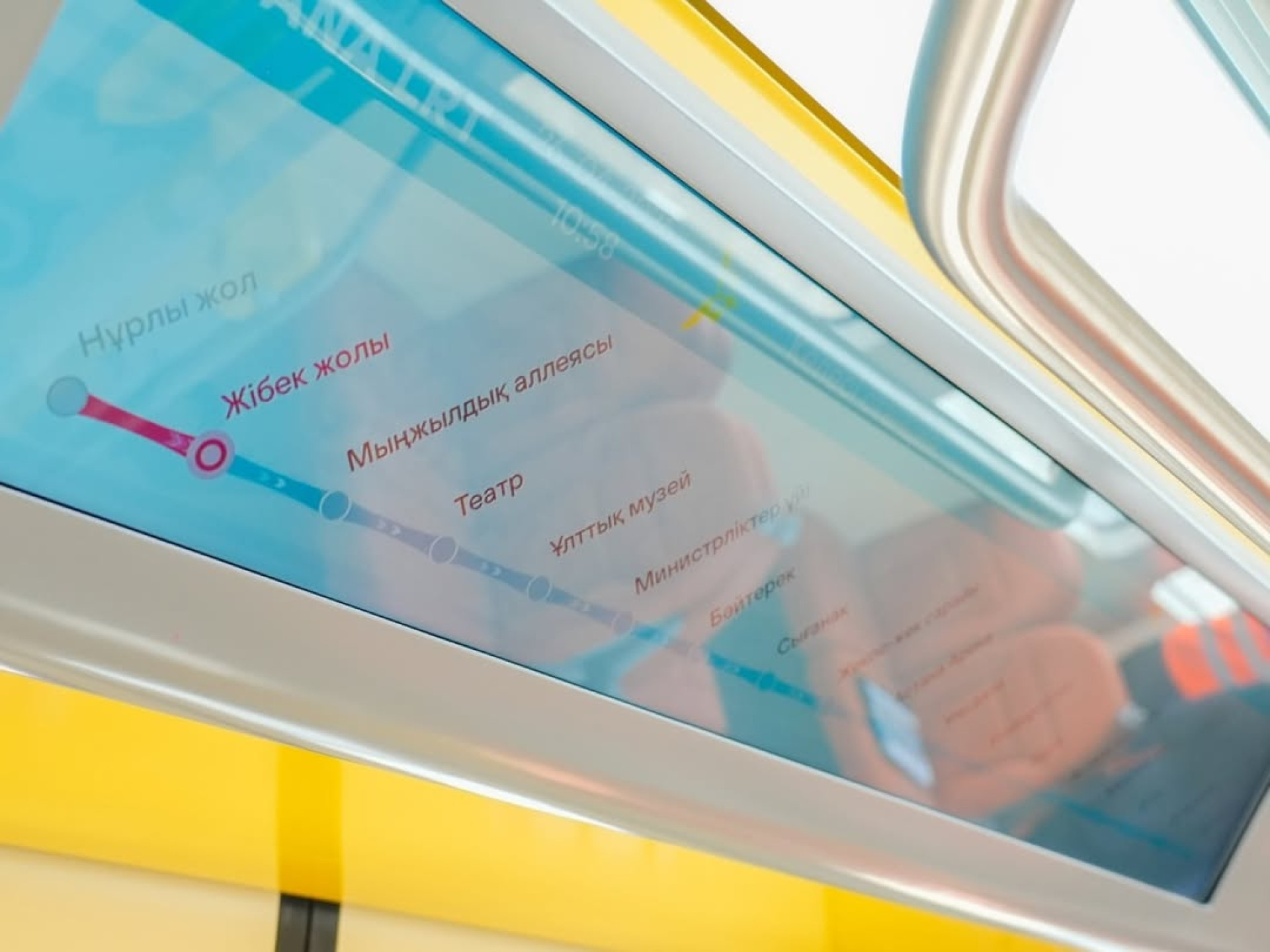
Navigation schemes inside the carriages are familiar — station markings look the same as in a classic underground metro, so there should be no confusion.
Trains on the line will be fully driverless. The absence of a driver’s cabin gives passengers an interesting bonus: those sitting at the front of the first carriage will be able to view the city panorama “from the first row” during the journey.
Посмотреть эту публикацию в Instagram
The main task of the project is to partially reduce the passenger load on bus routes. According to CTS forecasts, in the first year the line will carry from 25 to 45 thousand people daily. One train is designed for more than 600 passengers.
A total of 19 driverless trains are provided for the line. Daily, 15 trains are planned to operate on the route, while four will remain in reserve in case of technical issues or peak loads.
Посмотреть эту публикацию в Instagram
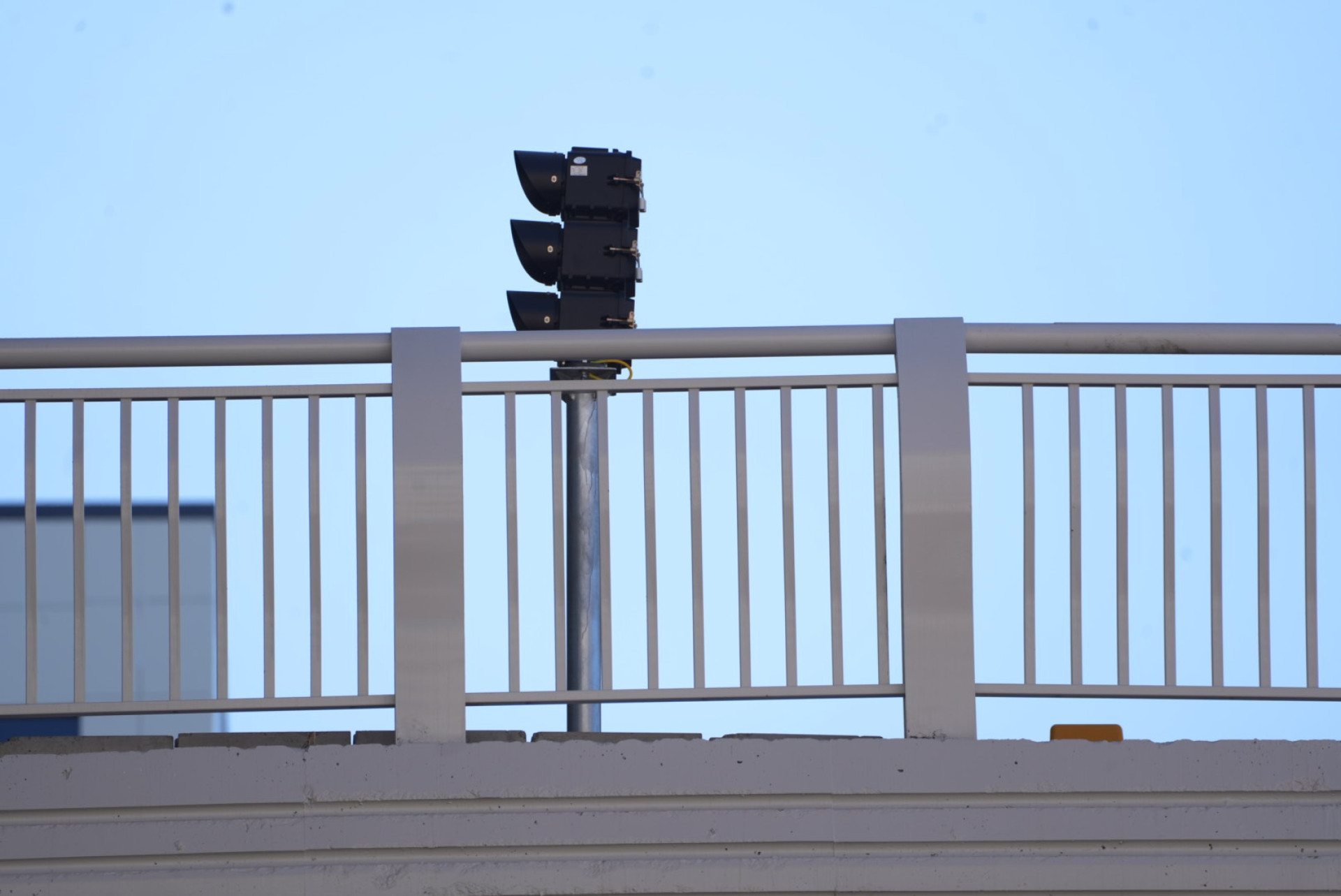
Another infrastructure element is traffic lights installed on the line in April. As explained by CTS, they serve as a backup safety function and will be used only in emergency situations or during maintenance.
In April, akim Zhenis Kassymbek suggested that the launch could take place as early as May — approximately within the next two to three weeks.
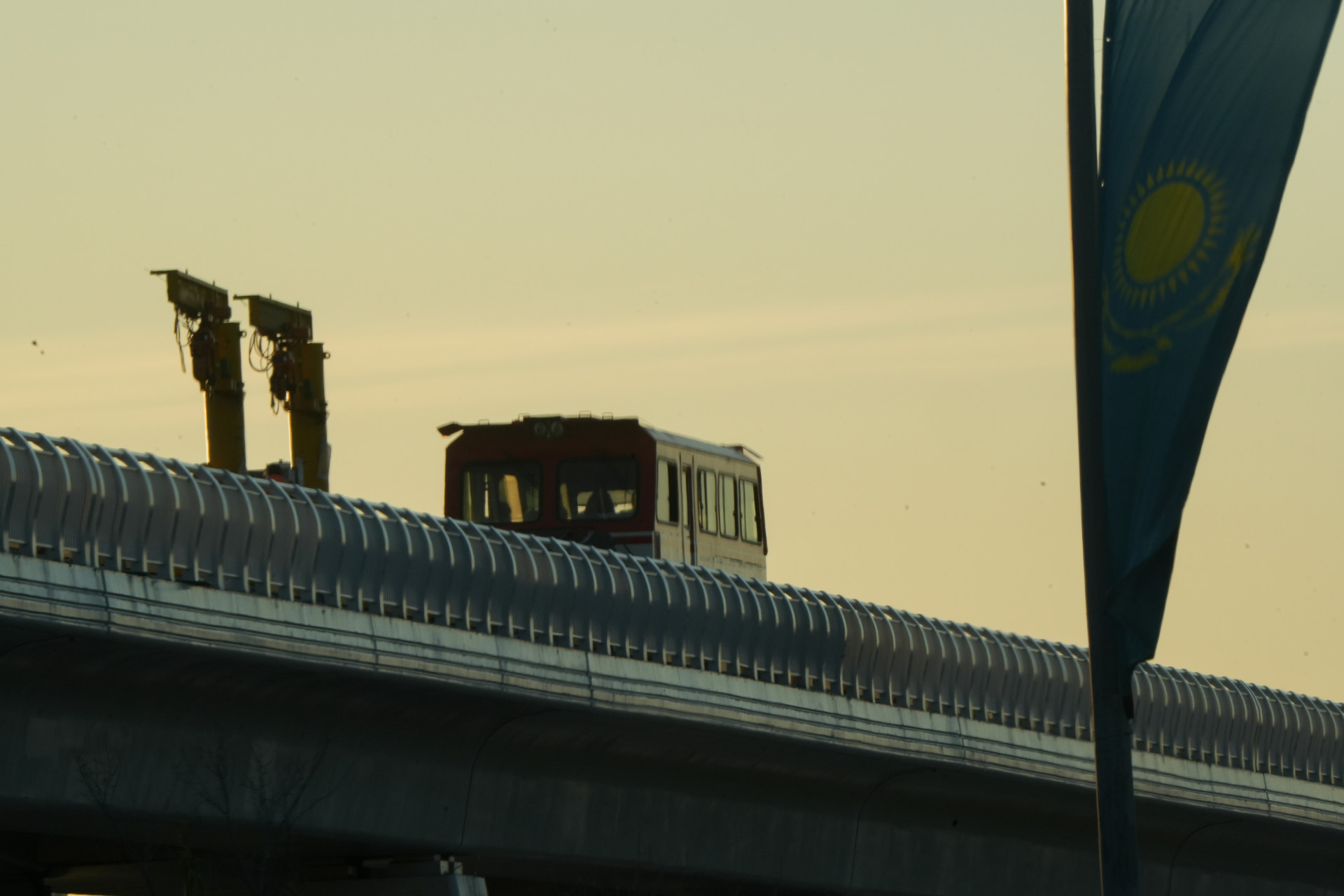
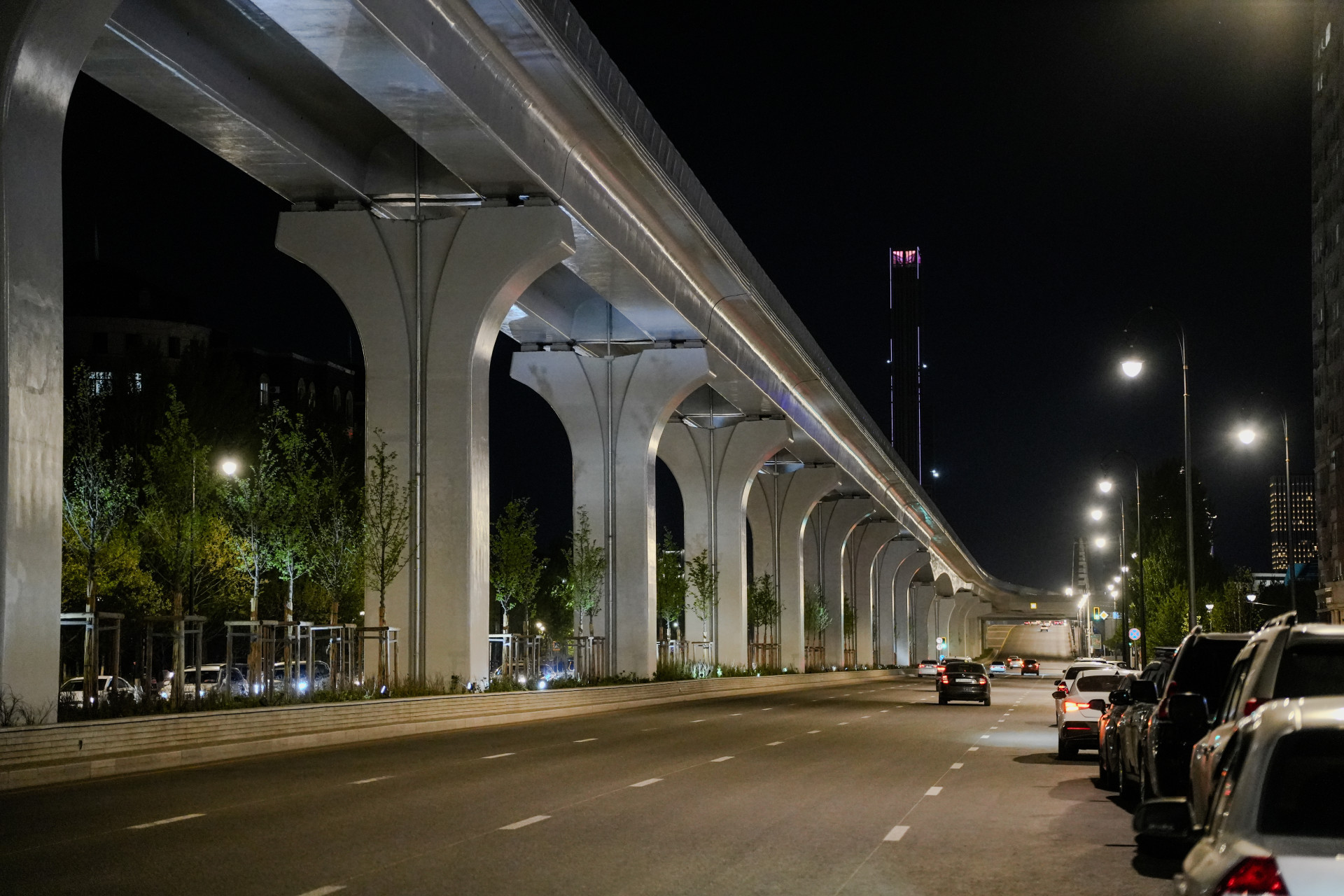
However, the exact date of the start of regular operations has not yet been announced. In anticipation of the opening, services are improving the surrounding areas — for example, trees have already been planted along Kaldyakov Street.
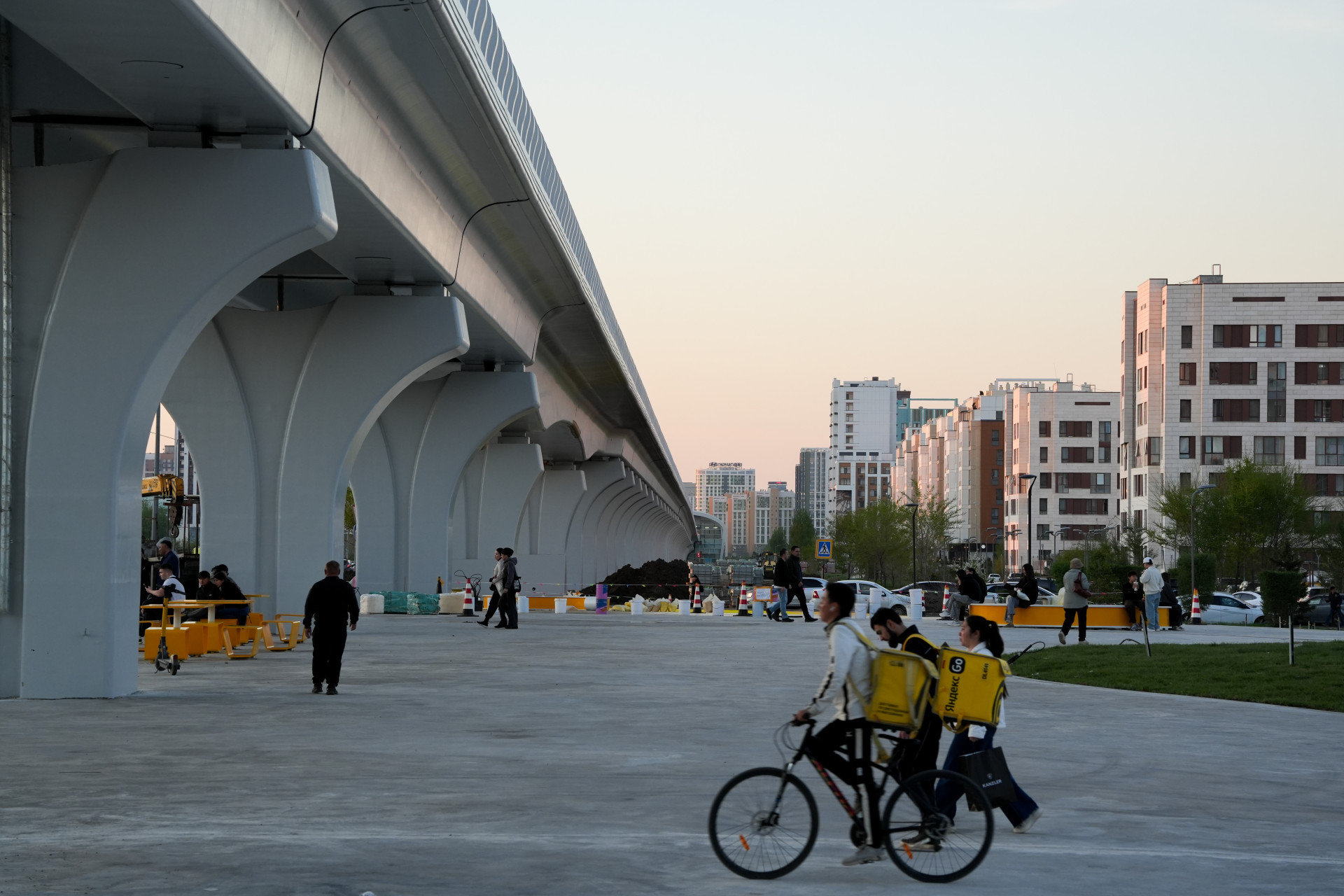
Near Mega Silk Way shopping mall, the space under the overpass has been arranged with benches and tables, suitable for rest and waiting for buses.
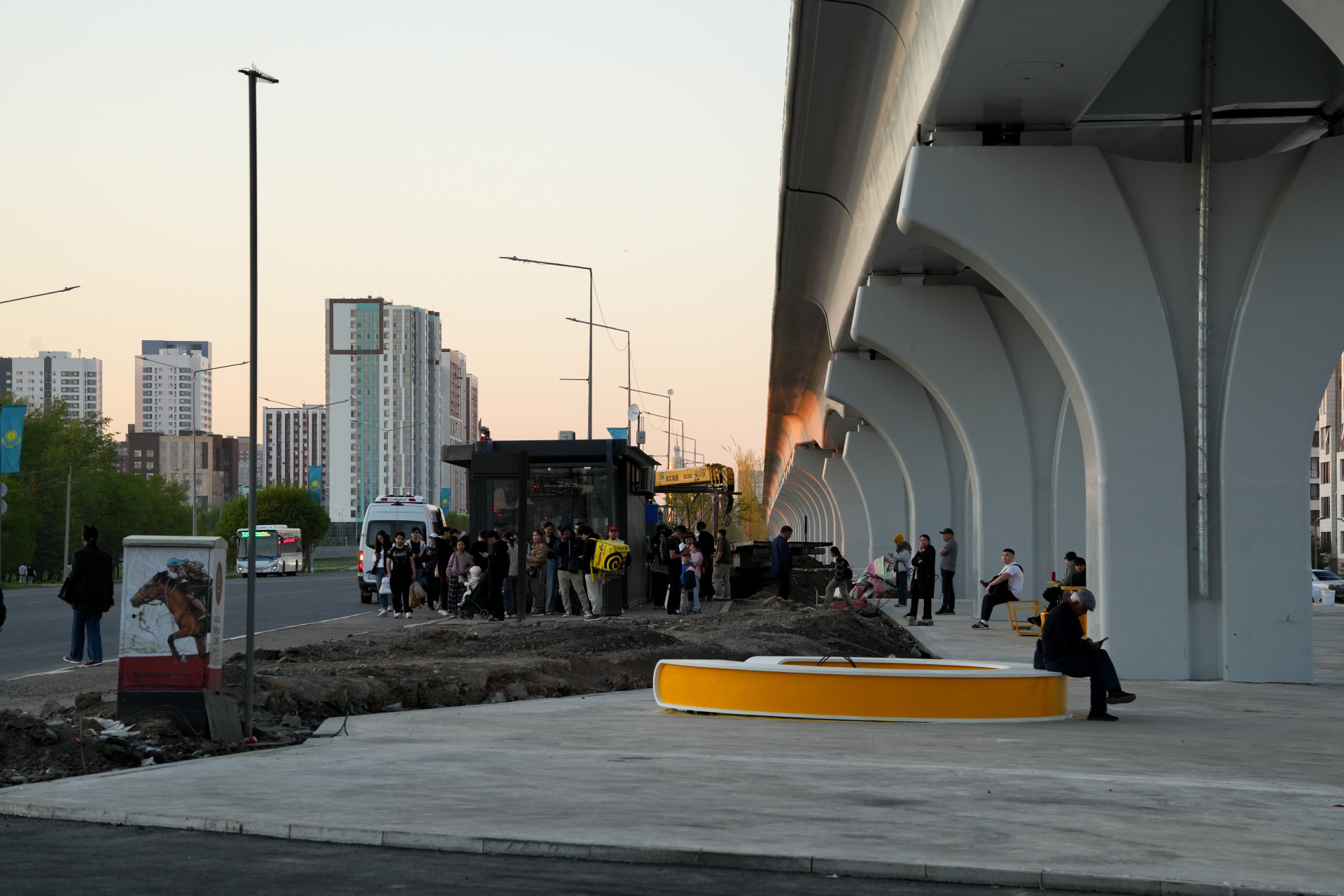
Integration with city transport will also affect the bus network. As previously reported by CTS, after the LRT launch, new bus routes will be introduced to serve as feeder transport connecting nearby districts with stations.
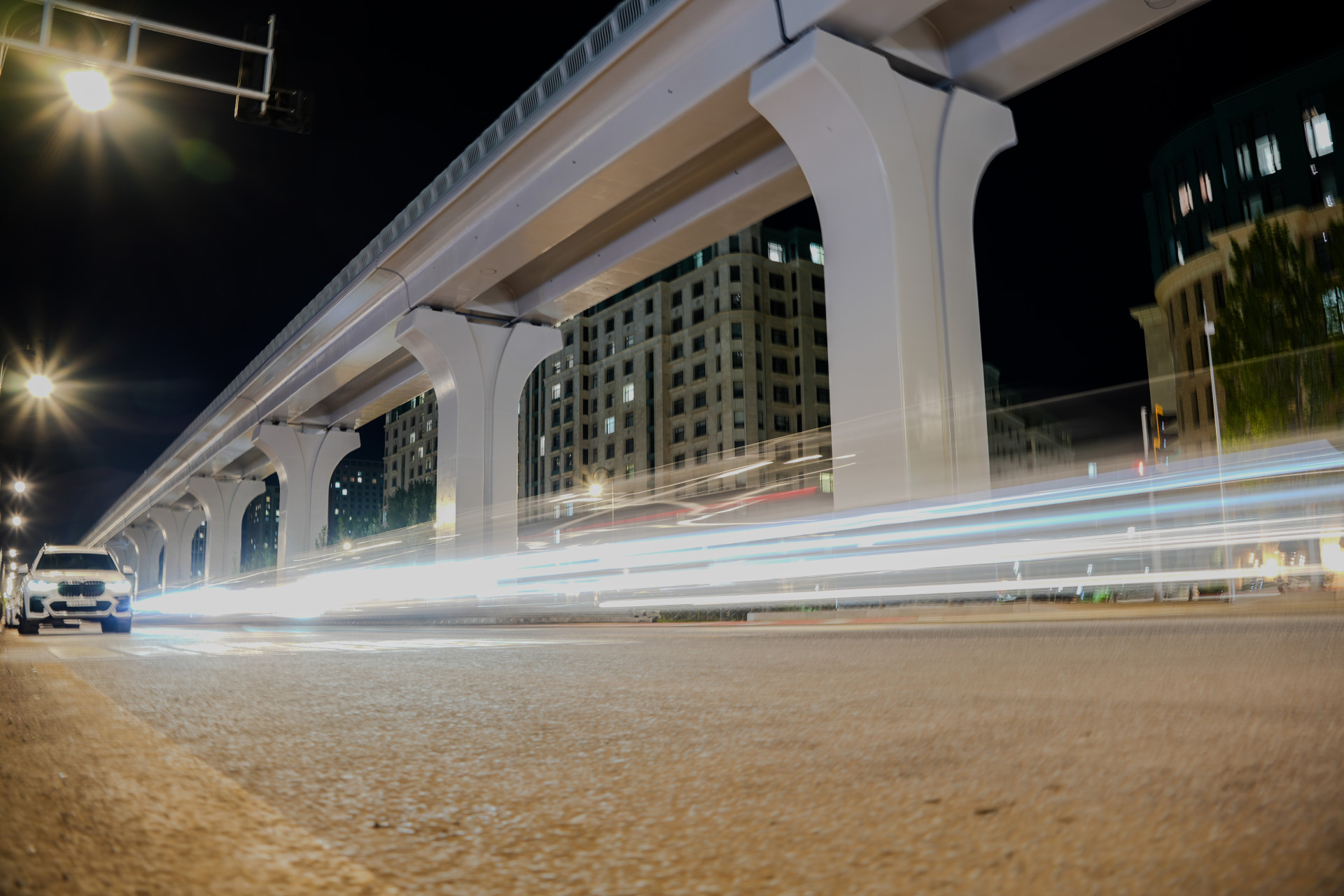
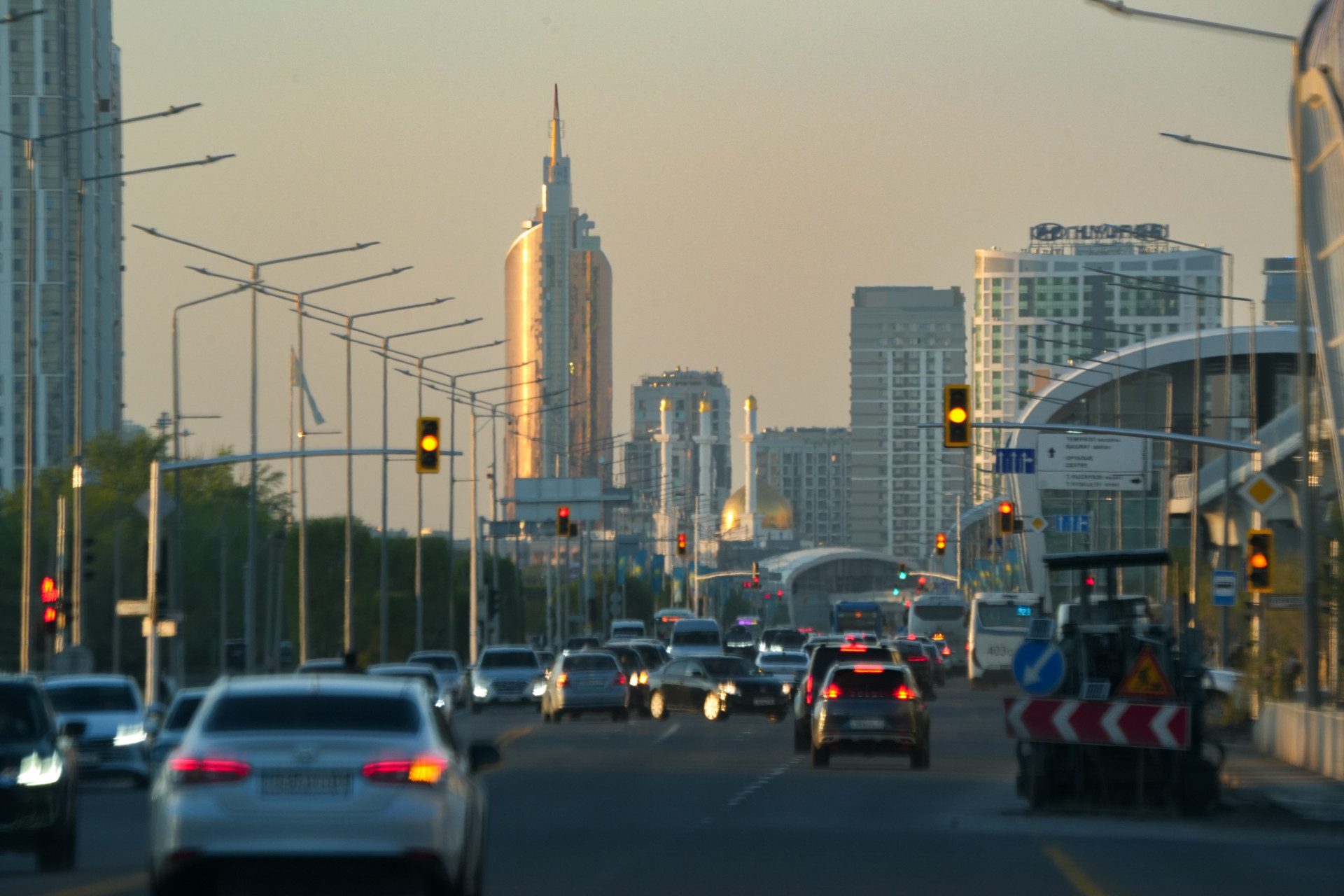
The line runs along an elevated overpass and is completely isolated from road traffic. This eliminates intersections with cars and conventional traffic lights. The maximum speed of trains will be about 80 kilometers per hour.
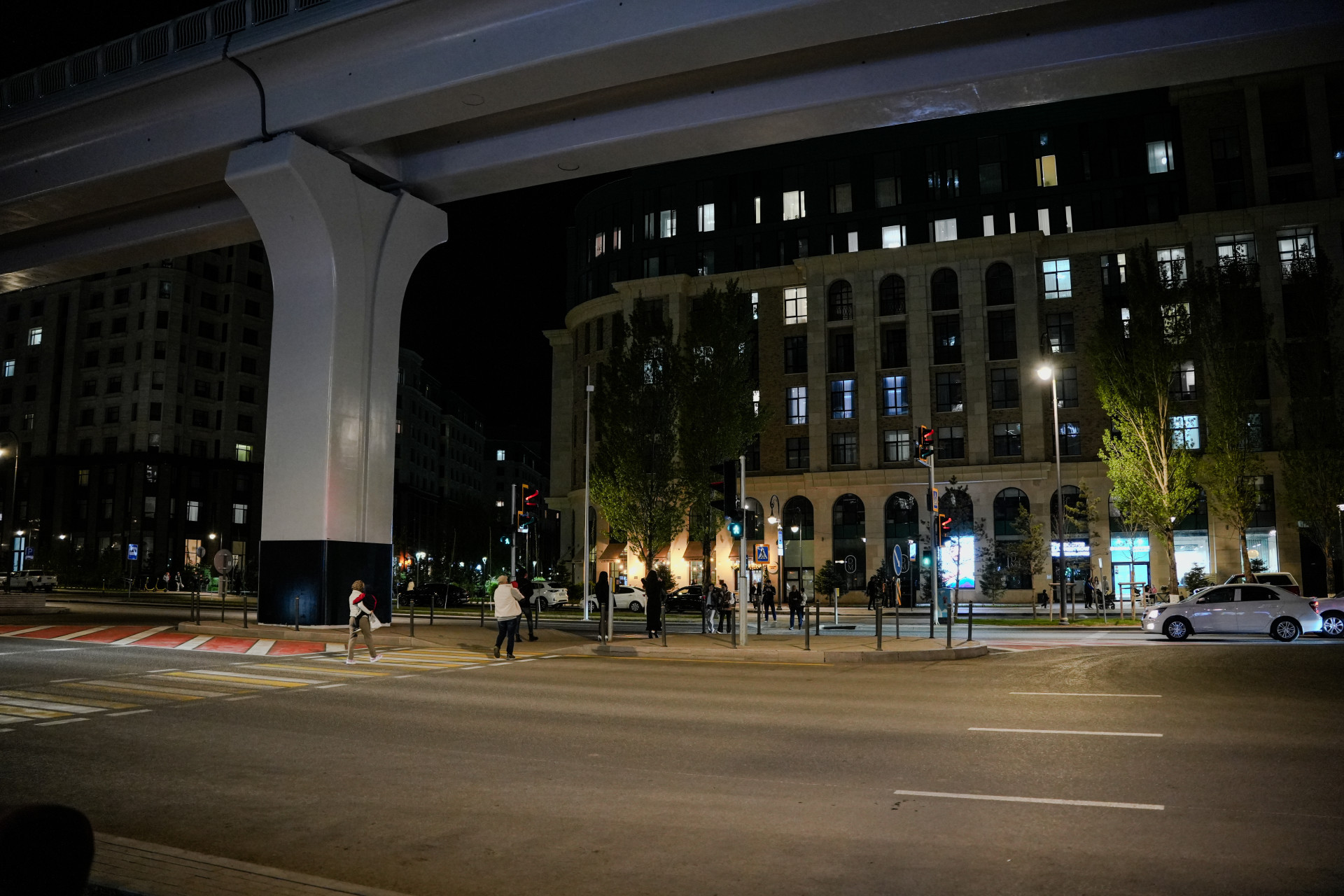
Although regular services have not yet started, test trains on the overpasses have already become a familiar part of the city landscape. Moving trains regularly attract the attention of passersby and content creators, who actively film them and share videos on social media.
Посмотреть эту публикацию в Instagram
Users have even begun sharing coordinates of the best filming spots. According to posts, one of the most popular locations is currently on Kaldyakov Street.
It is expected that the LRT launch will reduce traffic on major roads by about 5 percent. However, whether such a reduction will be noticeable for drivers remains an open question.
Fantasy vs reality
The first sketches of the future transport system appeared publicly back in 2022.
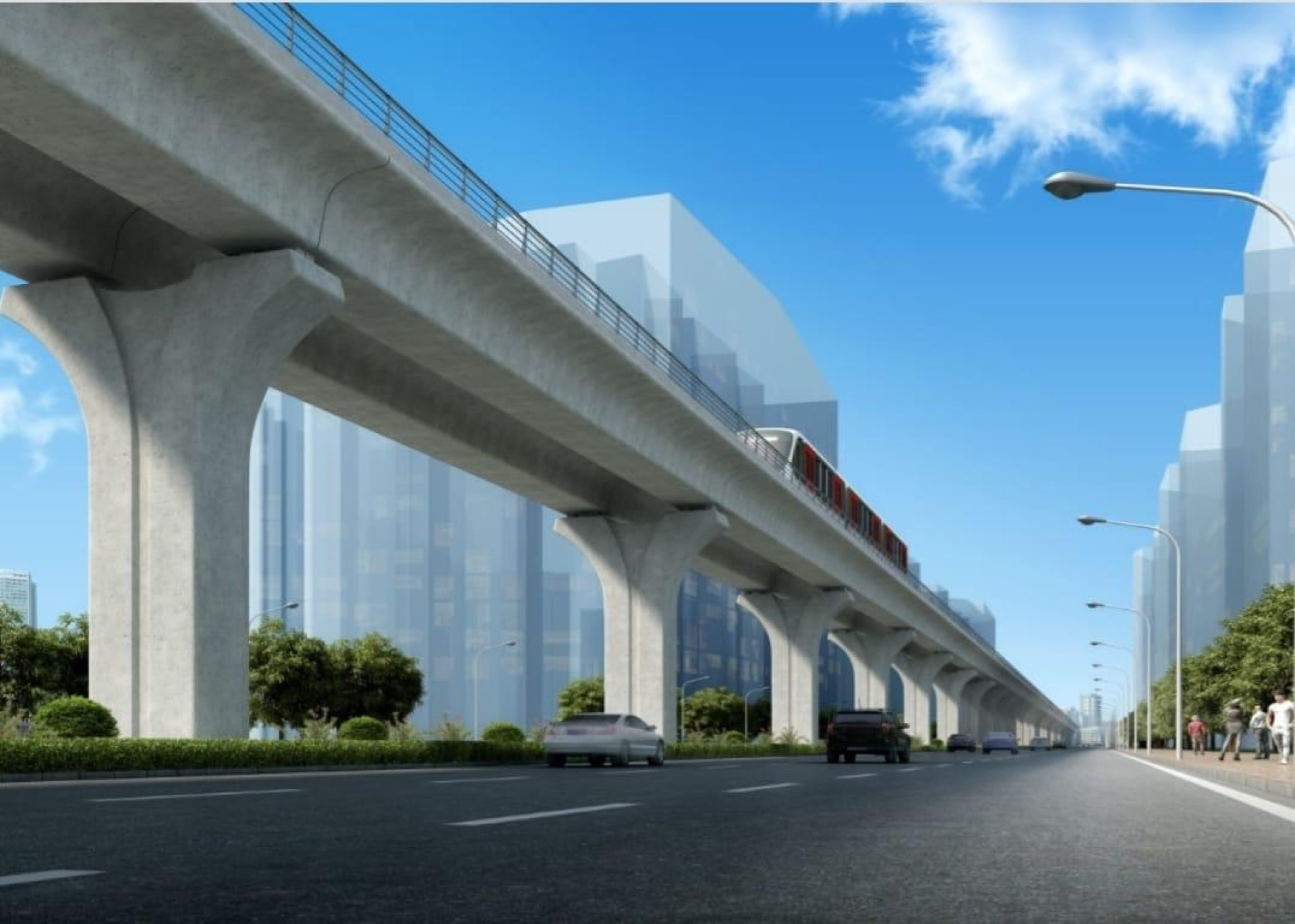
If you compare those renders with the completed facilities, it is clear that the original concept has reached the final stage almost unchanged.
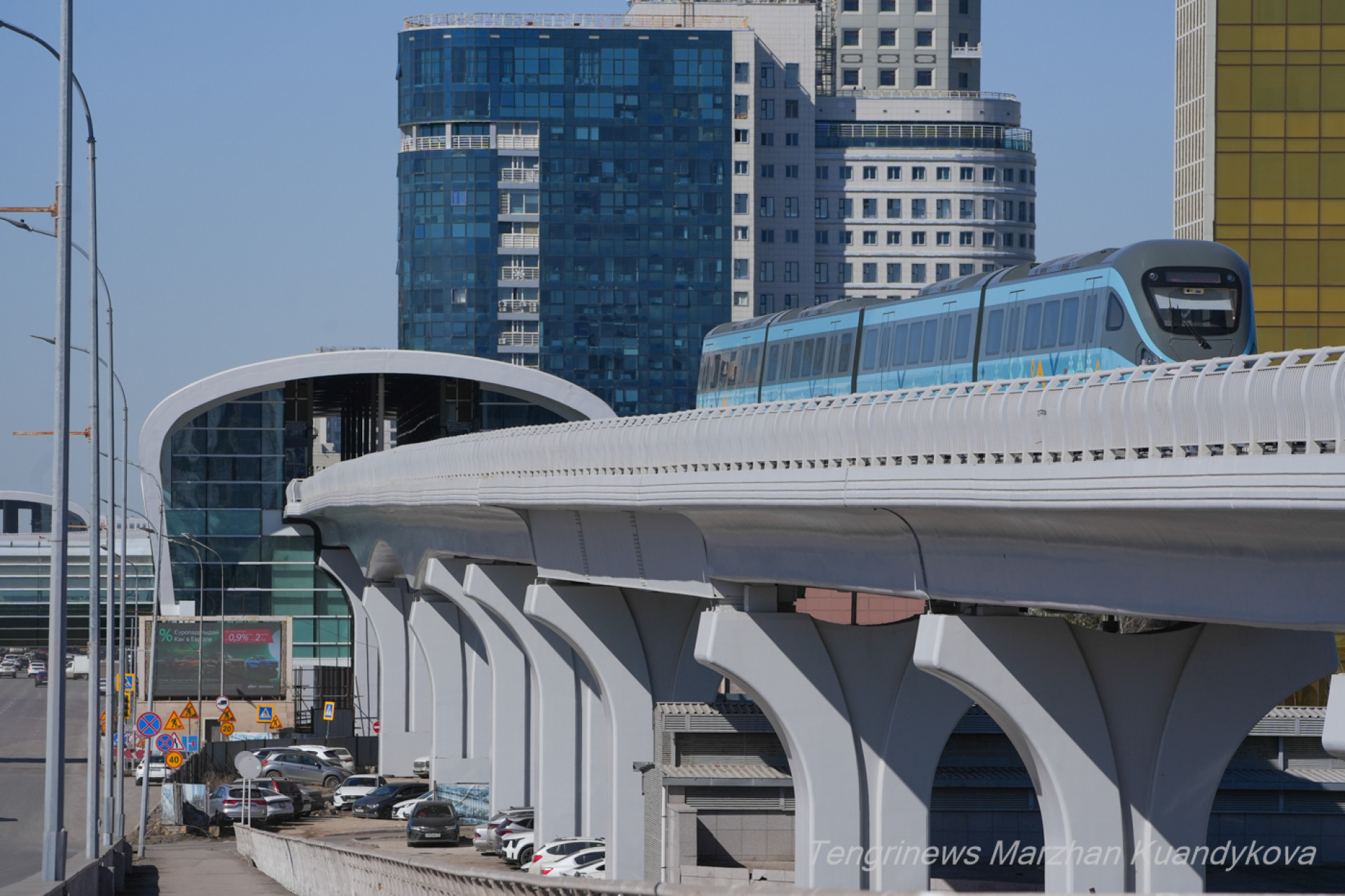
About a year ago, readers noted that the overpass in Astana looks very similar to a transport system in Xi’an, China. This similarity is explained by the fact that the project is built using Chinese technologies and with the participation of specialists from China.
In the future, city authorities plan to extend the line to the suburb of Kosshy. Preparation for the second phase has already begun — recently, the first reinforced concrete beam for the new section was installed.
“There is no other choice”
The project, which for years was associated with corruption scandals and the status of the main long-term construction, has nevertheless reached the final stage. President Kassym-Jomart Tokayev previously put an end to discussions about its fate. Calling the project initially a mistake, he stated that the country simply has no other choice: abandoning construction halfway would lead to even greater losses.
Now, as trains are already undergoing testing, residents of Astana only need to wait for the official launch and test the system in practice.

