


 Қазақша
 Русский
 English

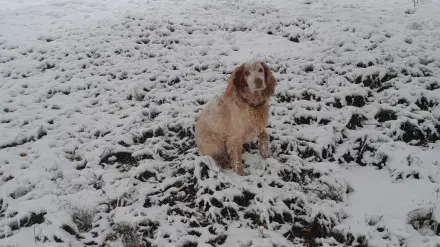
Tengrinews.kz – Snowfall was recorded the day before in Astana, Kostanay, and Rudny — an unexpected event even for Kazakhstan’s northern regions. Does this mean something unusual is happening? Is it a sign of a harsh winter? And what kind of weather lies ahead?
Is September snowfall too early?
Tengrinews.kz reached out to Kazhydromet with the question: Is snow in September normal? And does it mean a cold winter is coming?
"For northern regions, snowfall at the end of September is not considered early. For example, it also occurred in late September 2022," the agency responded.
Environmental expert Timur Yeleussizov added that snow in September is not necessarily an indicator of how the season will unfold:
"It means absolutely nothing in this regard. It’s like when a typhoon hits — it doesn’t mean the season will be hot or cold," he said.
However, the expert noted that snow in Central Asia will become increasingly rare over the years, and the upcoming winter is likely to be low on snowfall. The reason is climatic water cycles: precipitation doesn’t always fall where water evaporates.
"We used to get a lot of snow, and it would melt slowly. But now, due to rising temperatures, both snow and glaciers are melting faster. Precipitation occurs when warm and cold air masses collide. In mountain regions, this leads to rain or snow. But because the warming is significant, warm air is harder to cool, resulting in less precipitation," the ecologist explained.
He explained that evaporation doesn’t guarantee local rain: air currents may carry moisture far from the original site. For instance, moisture may evaporate in Almaty but then travel over mountains and fall as rain in a different region, even hundreds of kilometers away.
October forecast: frost, warmth, and blizzards
According to Kazhydromet, October will begin with cold weather: nighttime temperatures may fall to –6°C, and daytime highs won’t exceed +11°C.
From October 5–7, warmer air masses from Central Asia and the Mediterranean will move in, bringing a brief warming trend.
But in the second half of the month, the weather will worsen again:
Rain and local snowfall will return, fog, strong winds, and by late October – black ice and the first blizzards are expected.
When will it snow in the south?
In southern Kazakhstan, snow is rare in early October, but according to forecasts, it could fall within two days.
On October 1, rain and snow are expected in:
- Zhambyl Region;
- Almaty Region;
- Zhetysu Region.
And on the night of October 2, snow may reach Turkestan Region.
“In the coming days, a cold anticyclone will continue moving across Kazakhstan, and worsening weather is now expected in the southern regions,” the statement said.
Temperatures in the south will also drop:
- October 1 daytime: +5…+10°C;
- October 2 nighttime: frost down to –3°C.
Unpredictable climate – the new normal?
According to Timur Yeleussizov, September snow is already part of a new reality. He believes global warming is making Kazakhstan’s climate increasingly unstable and harder to predict.
"We're heading toward global warming — or more precisely, global drought. This will become normal. Storms and strong winds will be common. What seems wild to us now will soon become routine. Our climate is becoming unpredictable," said the ecologist.
He explained that early snow is a symptom of larger shifts, tied to the broader consequences of climate change.
"Even in Almaty, half a month’s worth of rain fell in one day. Cities will face these changes — extreme weather events, heavy rains, or long droughts," Yeleussizov explained.
What is global warming and how dangerous is it?
Eleusizov emphasizes that global warming is not inherently 'bad', but inevitable. He explains that climate is changing globally. Winters used to be much colder — in Kostanay and Astana, it once dropped to –45°C. Now, winters average –15 to –20°C.
“Notice how we had almost no rain this year? It was hot and dry. The global temperature trend has risen by half a degree. If it reaches +1.5°C, we’ll be on the brink of extinction. One major cause is the rapid melting of glaciers. Rising temperatures accelerate glacial melt, and that disrupts climate systems,” said the ecologist.
“It’s becoming impossible to forecast the weather”
According to Yeleussizov, 30 years ago, weather cycles were much more predictable. Droughts or heavy rainfall used to occur every 12 years or so. Today, those patterns no longer hold.
“Forecasting the climate even a few years ahead has become nearly impossible. Many systems are outdated, little gets updated, and Kazakhstan has virtually no modern scientific platforms. Our science has been destroyed over the years. What we’re facing now is the result of massive incompetence and underfunded agencies,” the expert concluded.



 +7 (777) 001 44 99


