Tengrinews.kz — Ancient civilizations in Mesopotamia, Egypt, China, and India were largely shaped by the development of river valleys. However, the Great Steppe fostered a fundamentally different type of historical development. This was stated by President of Kazakhstan Kassym-Jomart Tokayev at the opening of the international symposium "The Golden Horde as a Model of Steppe Civilization: History, Archaeology, Culture, and Identity" in Astana.
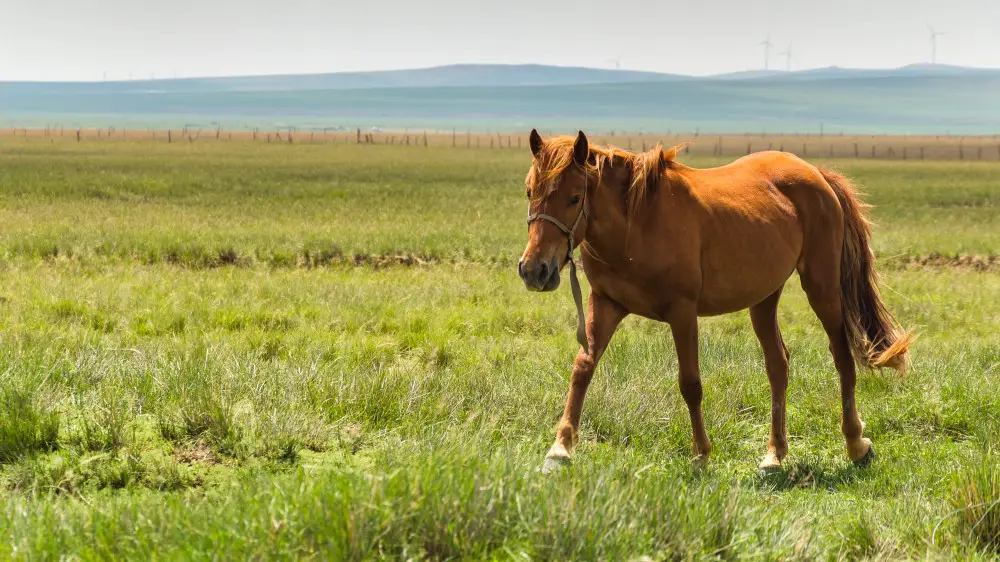
As the Head of State noted, five thousand years ago in Botai, northern Kazakhstan, man first domesticated the horse—a pivotal event that determined the course of world history.
"The equestrian culture gave rise to a unique strategic mindset and a highly mobile lifestyle. Thus, by controlling all key transport, trade, and humanitarian links across the vast expanses of Eurasia, the Golden Horde became the pinnacle of progress for horse-nomadic civilization," said Kassym-Jomart Tokayev.
In this regard, according to the Head of State, there is every reason to assert that the symbiosis of nomadic and sedentary lifestyles was the primary reason for the Golden Horde’s prominent emergence onto the historical stage.
"Ultimately, thanks to the synergy between the nomadic lifestyle, urban craft culture, and trade arteries, the Golden Horde formed a developed economy cemented by a monetary and fiscal system," the President stated.