
Tengrinews.kz – There are five and a half thousand kilometers between Astana and Tokyo, a four-hour time difference, and one important thing in common: neither side is used to saying too much. In Japan, this is part of the culture. For Kazakh diplomacy, it is a habit developed over the years.
President Kassym-Jomart Tokayev is on an official visit to Japan’s capital. The first day passed without conclusions or loud statements, but with a precise set of meetings and meanings that, for now, remain between the lines. A Tengrinews.kz correspondent observed it all.
Tokyo meets the President of Kazakhstan at a moment when Japan itself is listening closely to its own pulse. A country long seen as a symbol of stability is now living in a mode of delicate economic and political balance.
More on that later. For now — strict Japanese protocol and precision of gestures.
Everything by the rules
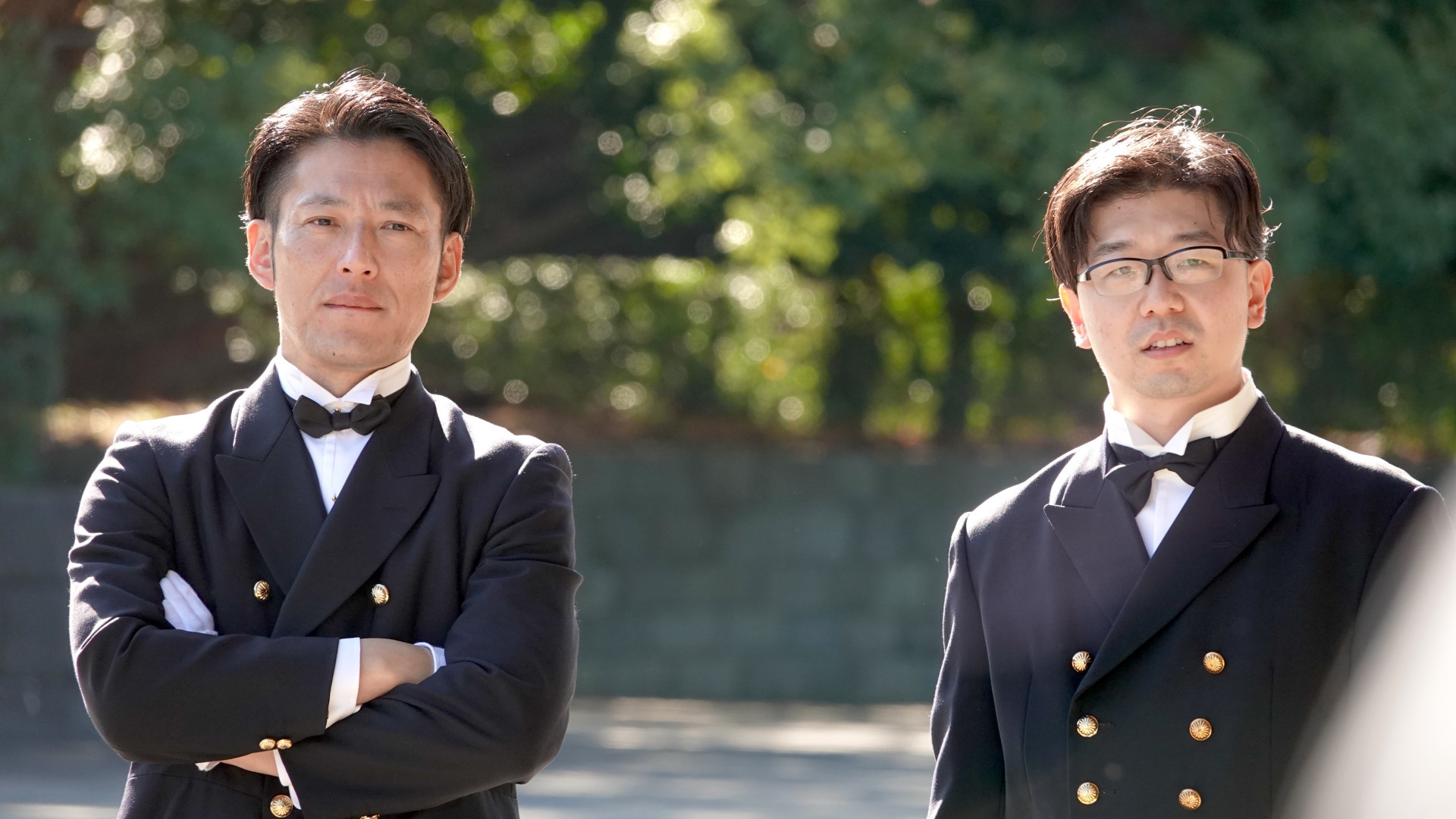
At the entrance to the Imperial Palace stand men in ceremonial uniforms. Their presence explains nothing, yet immediately makes it clear: from here on, everything will follow the rules.
And rules are respected here. Not because people like them, but because this is how they are used to living. Everyone knows their place, where to step and when to pause.
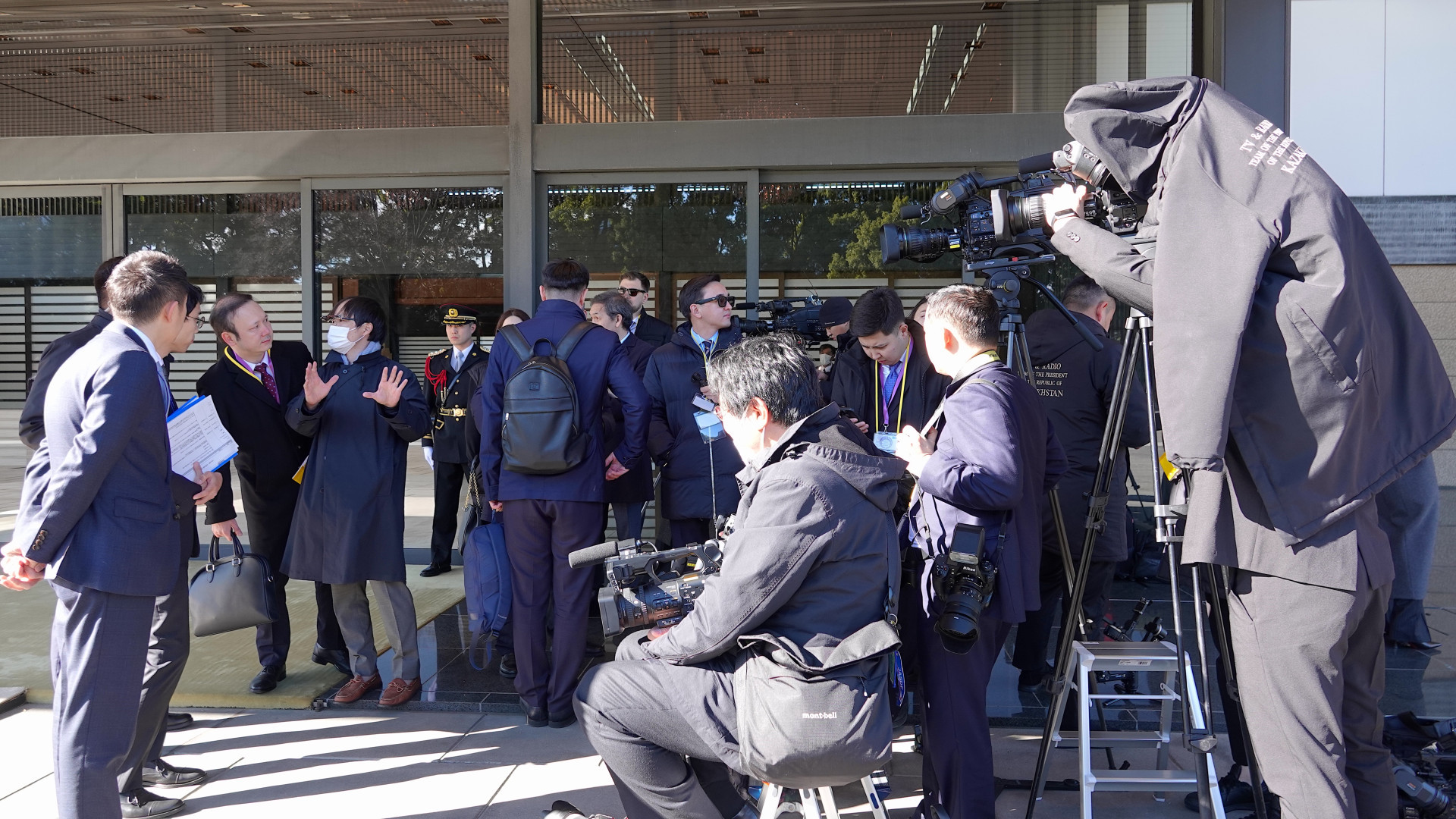
For example, Kazakh journalists were thoroughly instructed on who should stand where: who is allowed to film, who is not, and where it is better not to take out a camera at all. It felt as though they could just as easily specify the optimal angle of a head tilt.
If spontaneity exists here, it is likely coordinated as well.
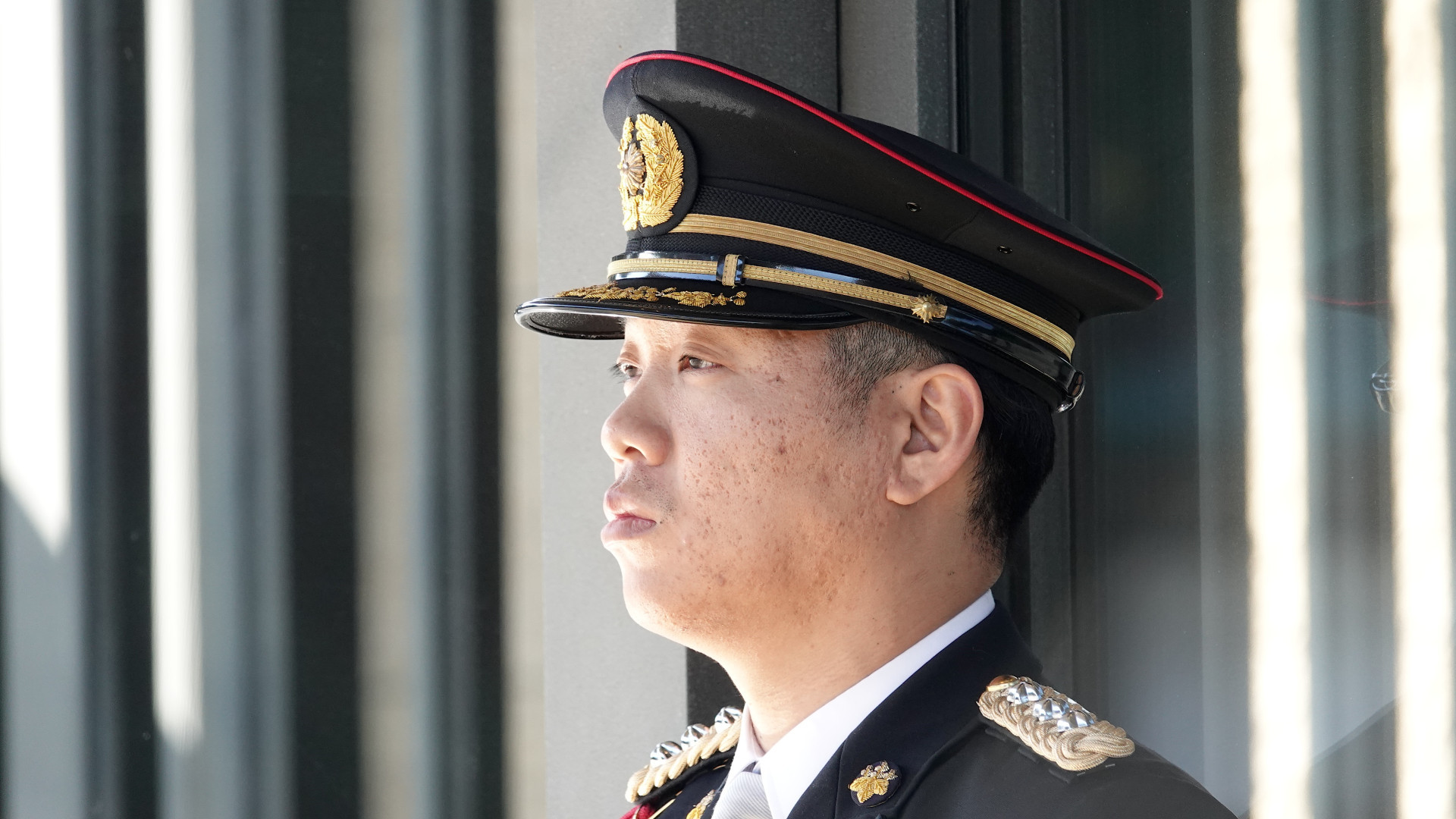
Even fatigue is not a reason for unnecessary movement. Officers at the Imperial Palace do not change posture or shift their gaze.
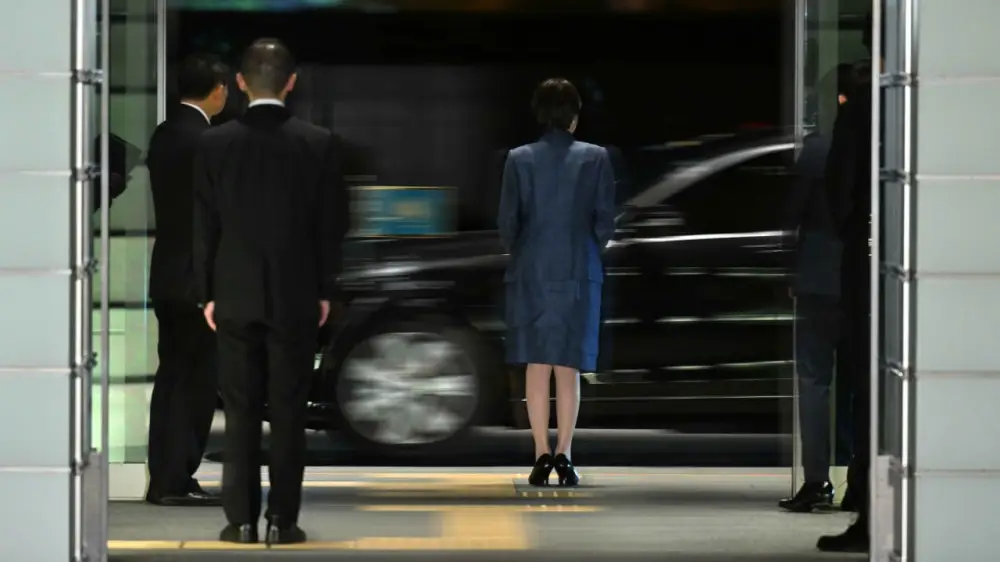
The presidential motorcade is in place. But there is no movement yet. Only bows — from a distance.
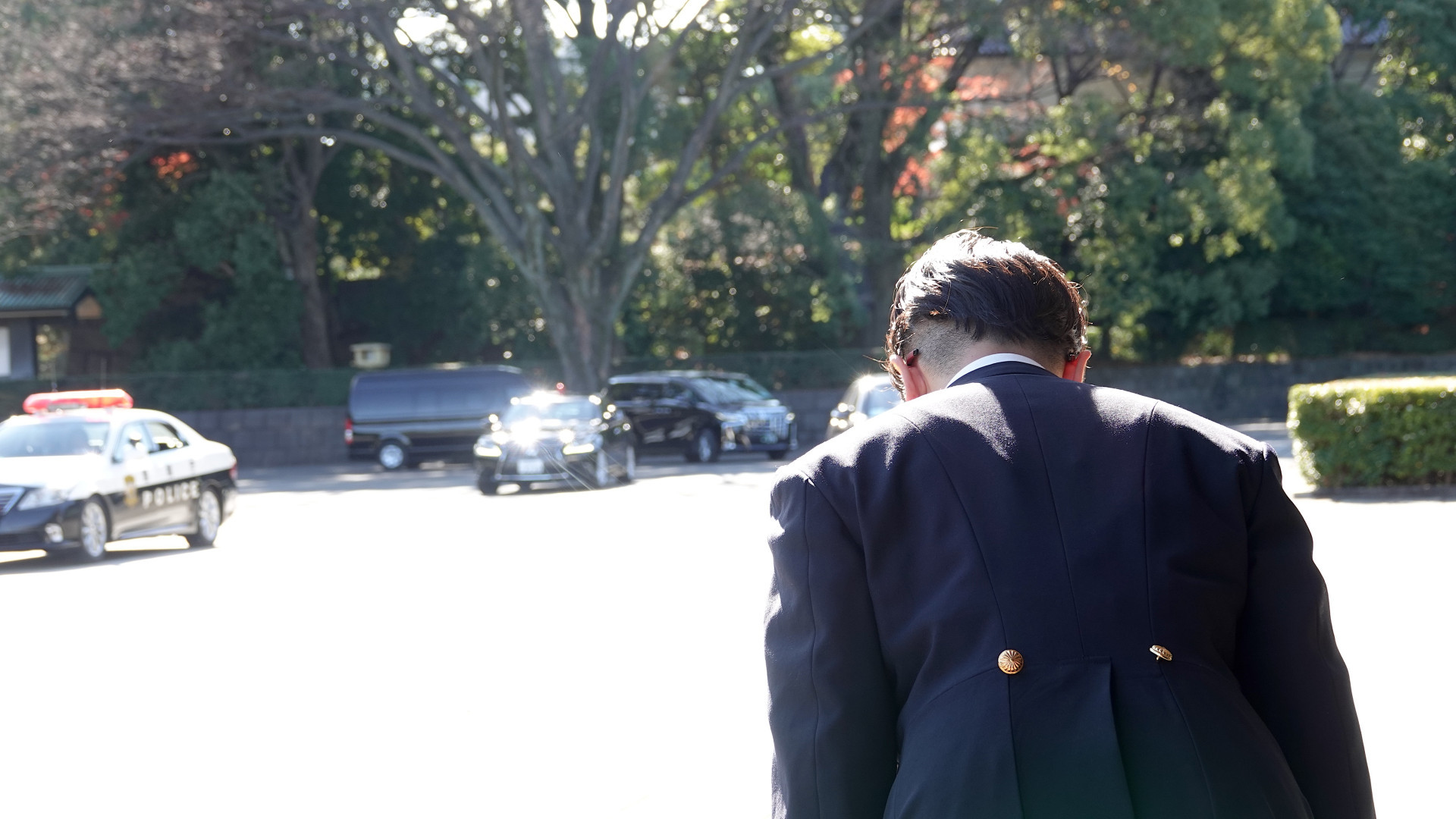
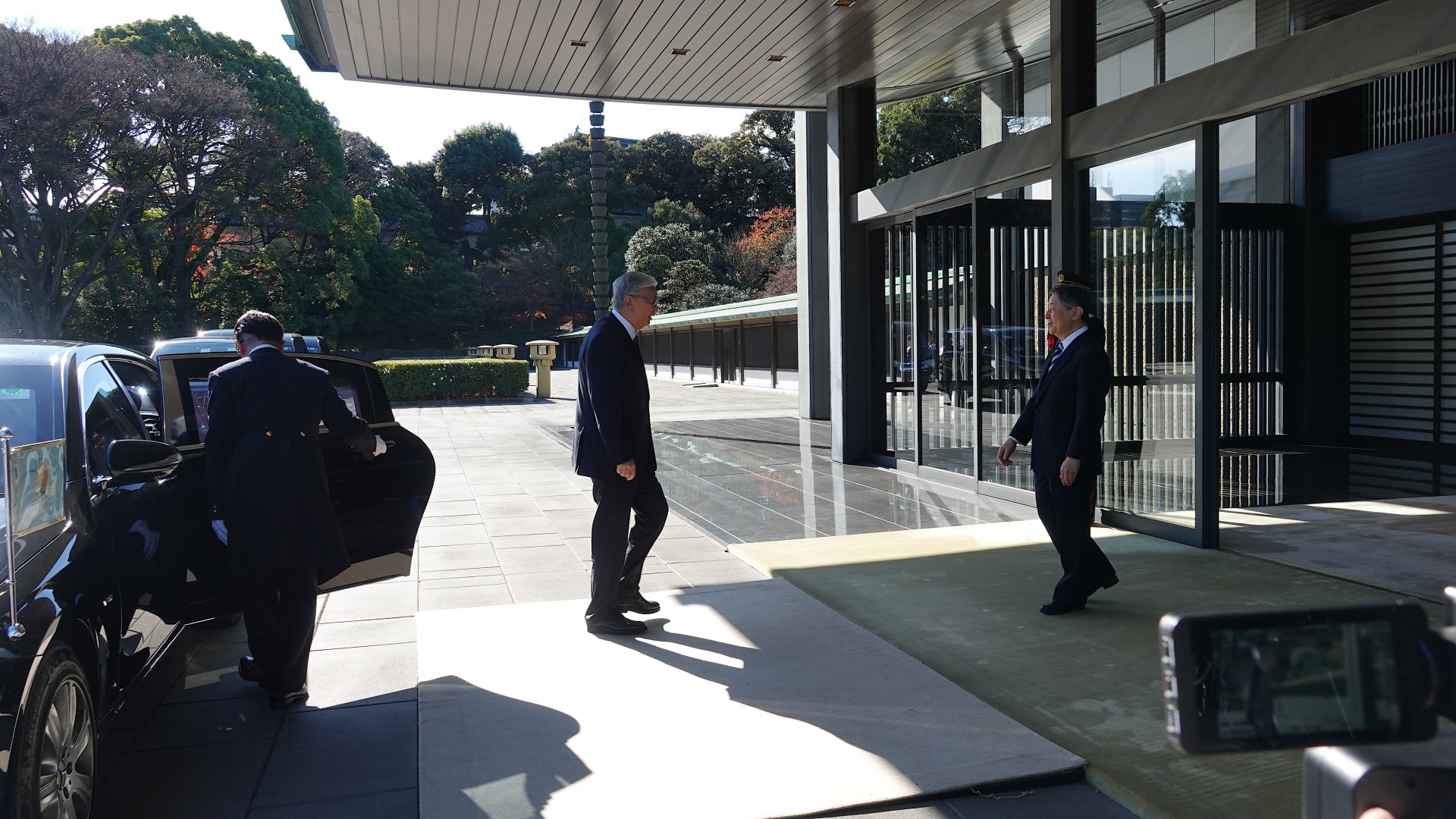
Tokayev steps out of the car, but the bows continue.
At the palace doors stands Emperor Naruhito. He smiles. Here, that is more than enough to begin.
The handshake with the Japanese monarch lasts slightly longer than usual — just long enough to be noticeable. Everything looks harmonious. A few words. A pause. And smiles again.
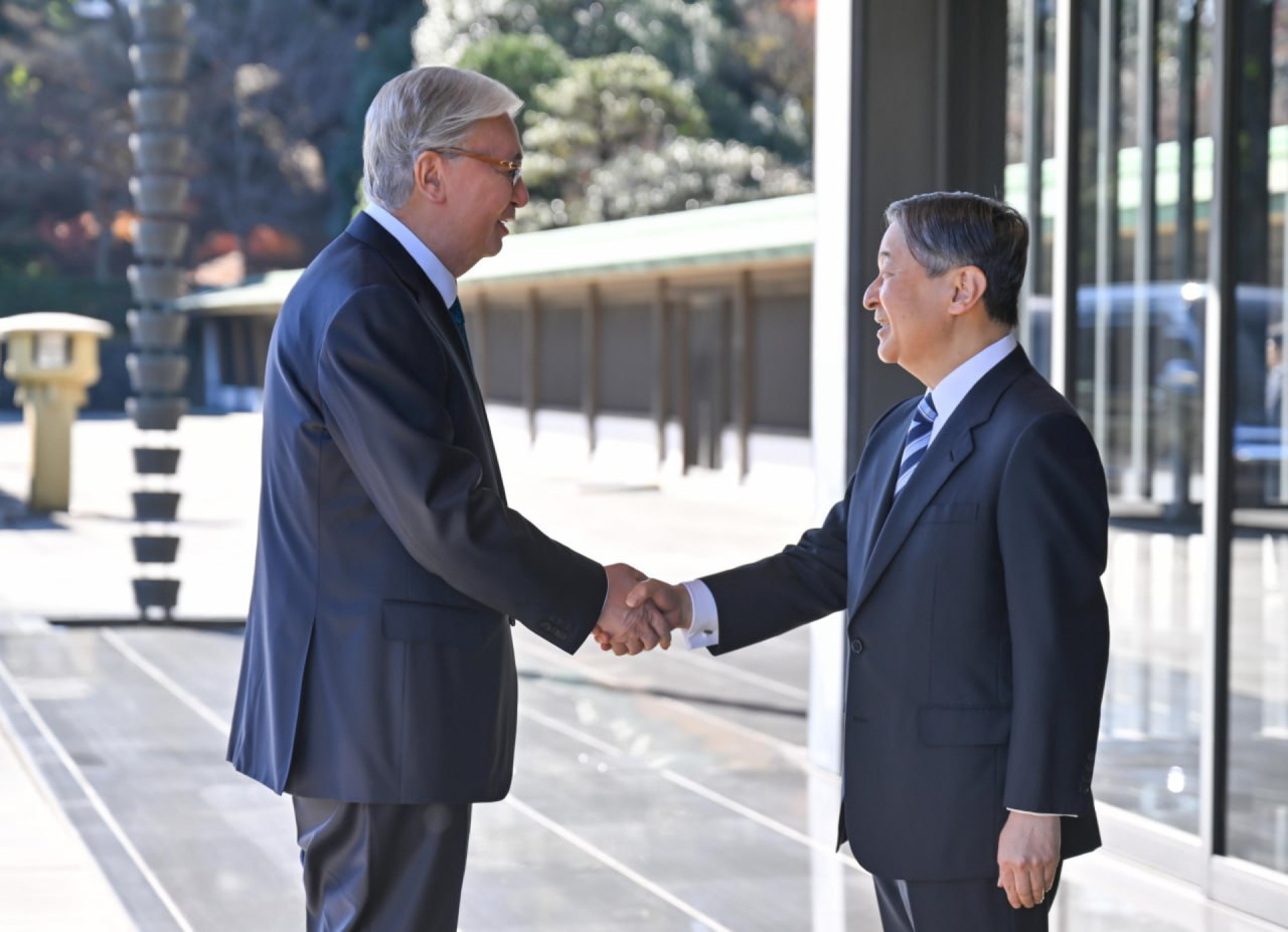
Emperor Naruhito is a monarch of the Reiwa era. His reign has lasted more than six years, and the name of the era is translated as "beautiful harmony". Everything happening fits perfectly into that rhythm.
The official part of the meeting is held behind closed doors.
Polite formulas sound exactly as they are supposed to in such cases. Tokayev thanks the host for the reception and speaks about the long-standing ties between Kazakhstan and Japan — about mutual respect and cooperation that has long gone beyond symbolic gestures.
Naruhito responds just as reservedly. He notes the importance of the visit and makes it clear that this meeting fits into a long and carefully constructed line of relations between the two countries.
They discuss bilateral cooperation and the international agenda. Details, like much of this day, remain within the room.
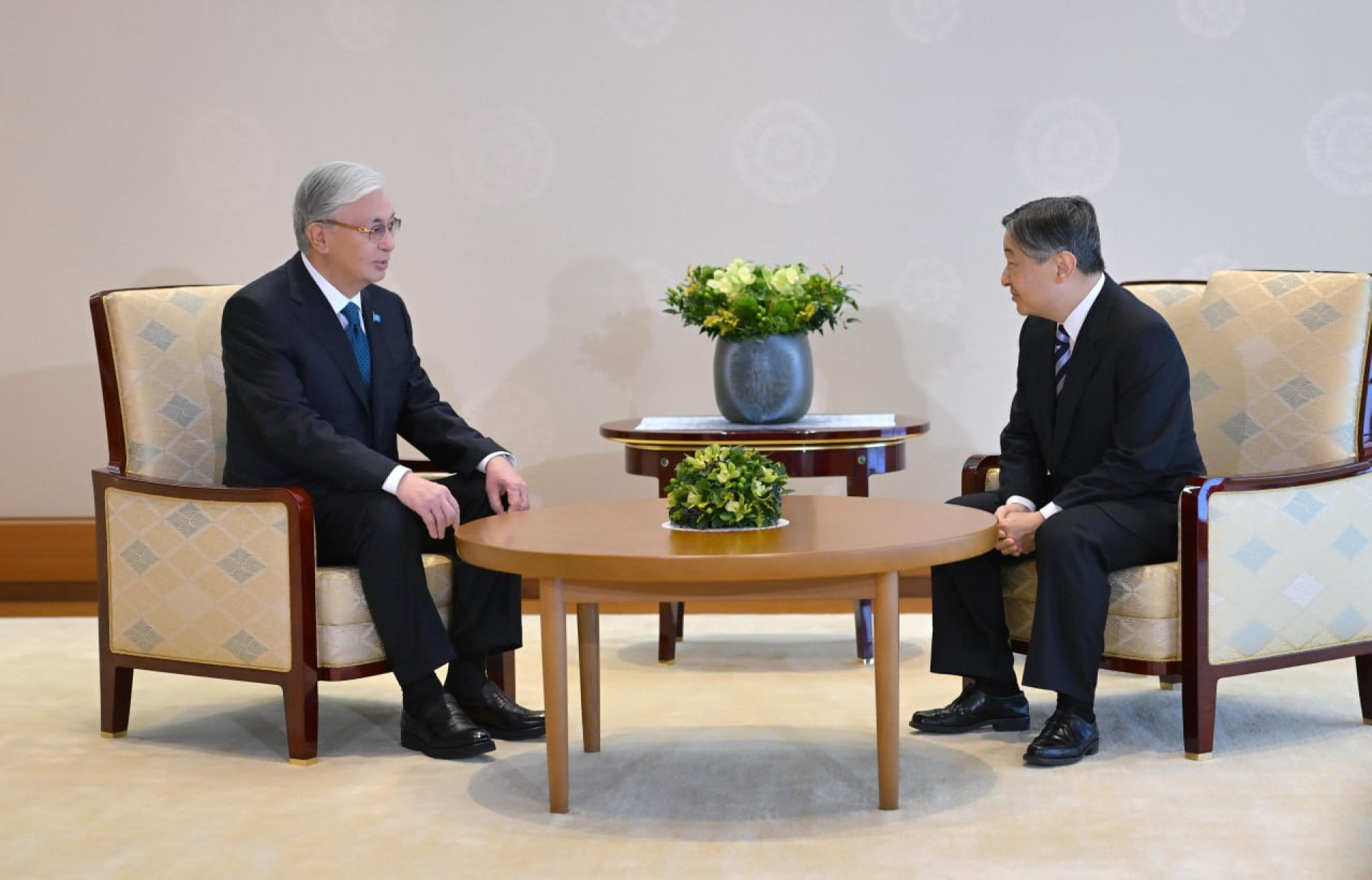
What stands out, oddly enough, is something else — calm minimalism. Only chairs, a table and flowers in neutral tones. Nothing that could distract from the interlocutor.
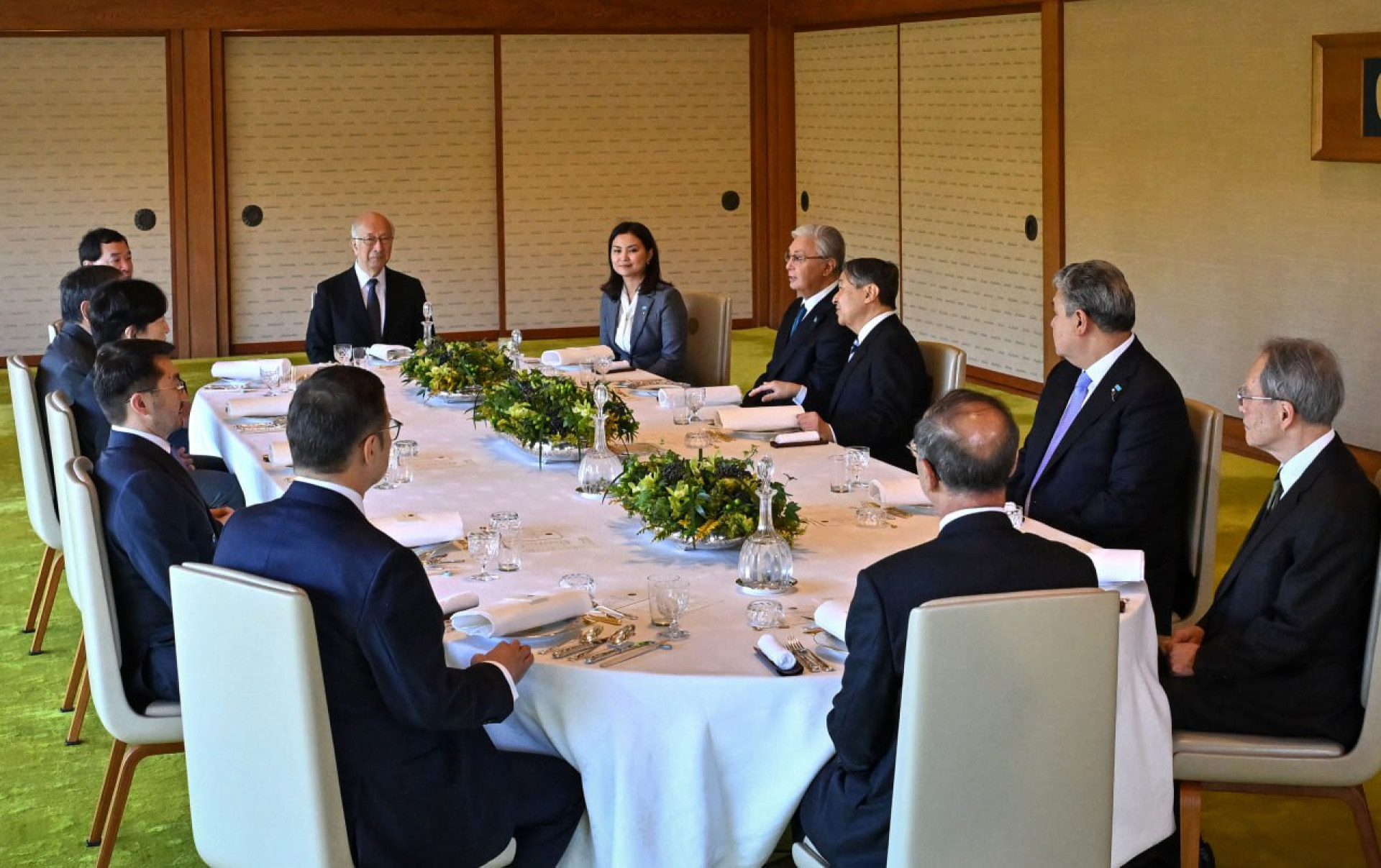
This minimalism continues during the official reception on behalf of Naruhito. The focus is not on the interior, but on each other.
And that is why this reception is not about decisions, but about relationships.
Tokayev bids farewell to Naruhito. The Emperor watches the motorcade until it reaches the gates. Officers at the palace remain motionless.
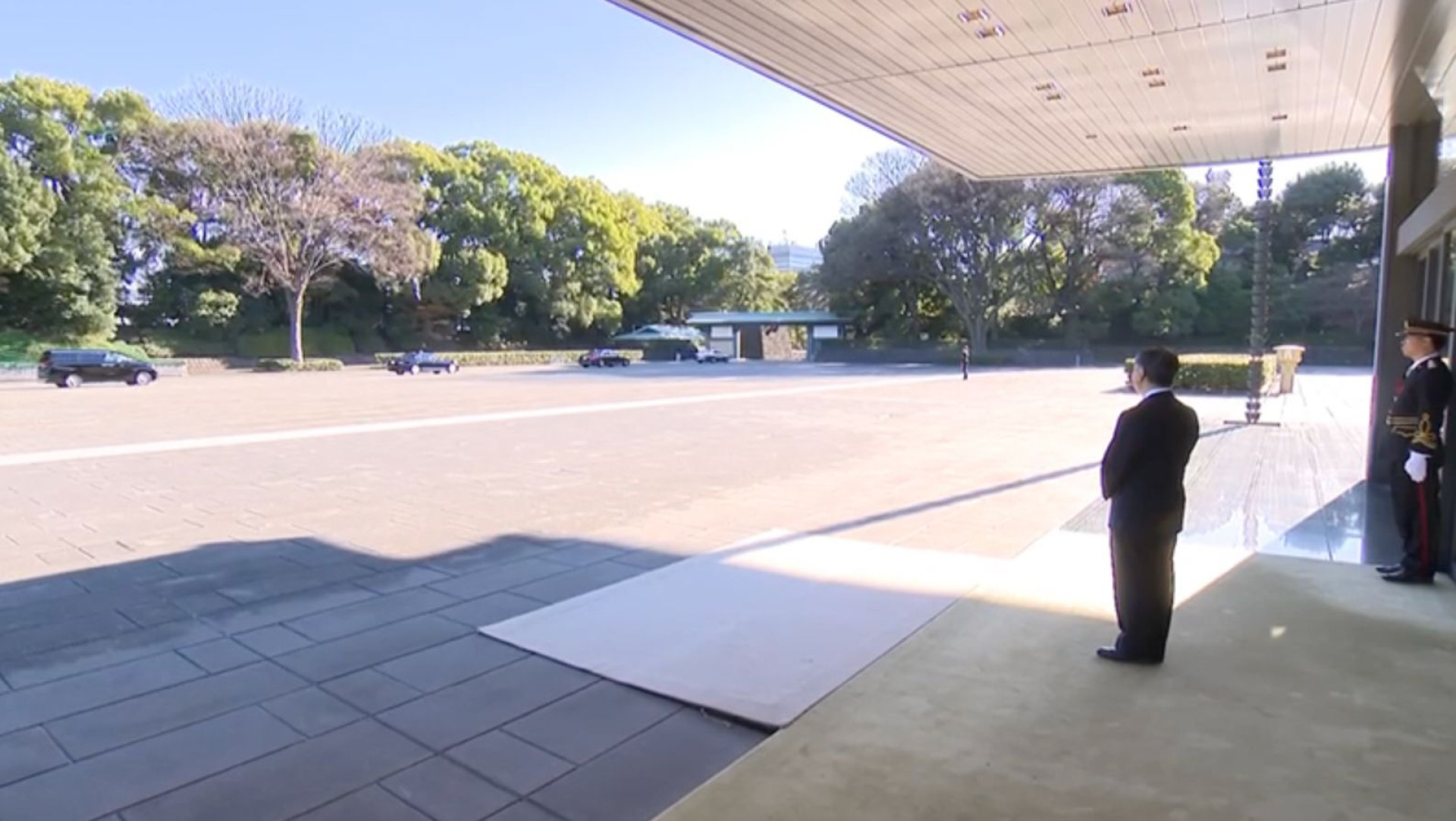
A pause in the center of Tokyo — and rules again
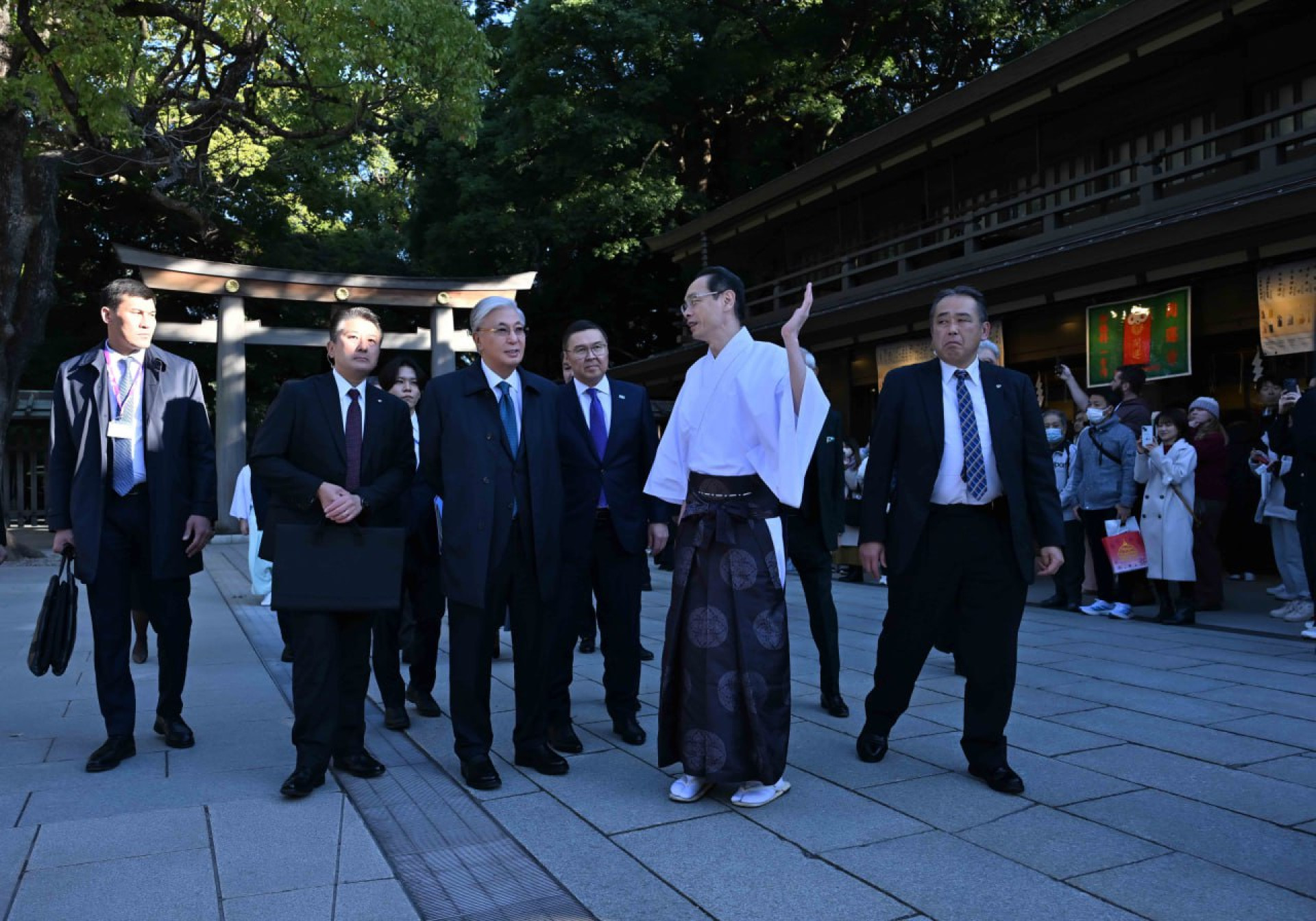
The rhythm of the visit changes — no palace halls or protocol pauses. The President heads to Meiji Jingu, a Shinto shrine in the very center of Tokyo.
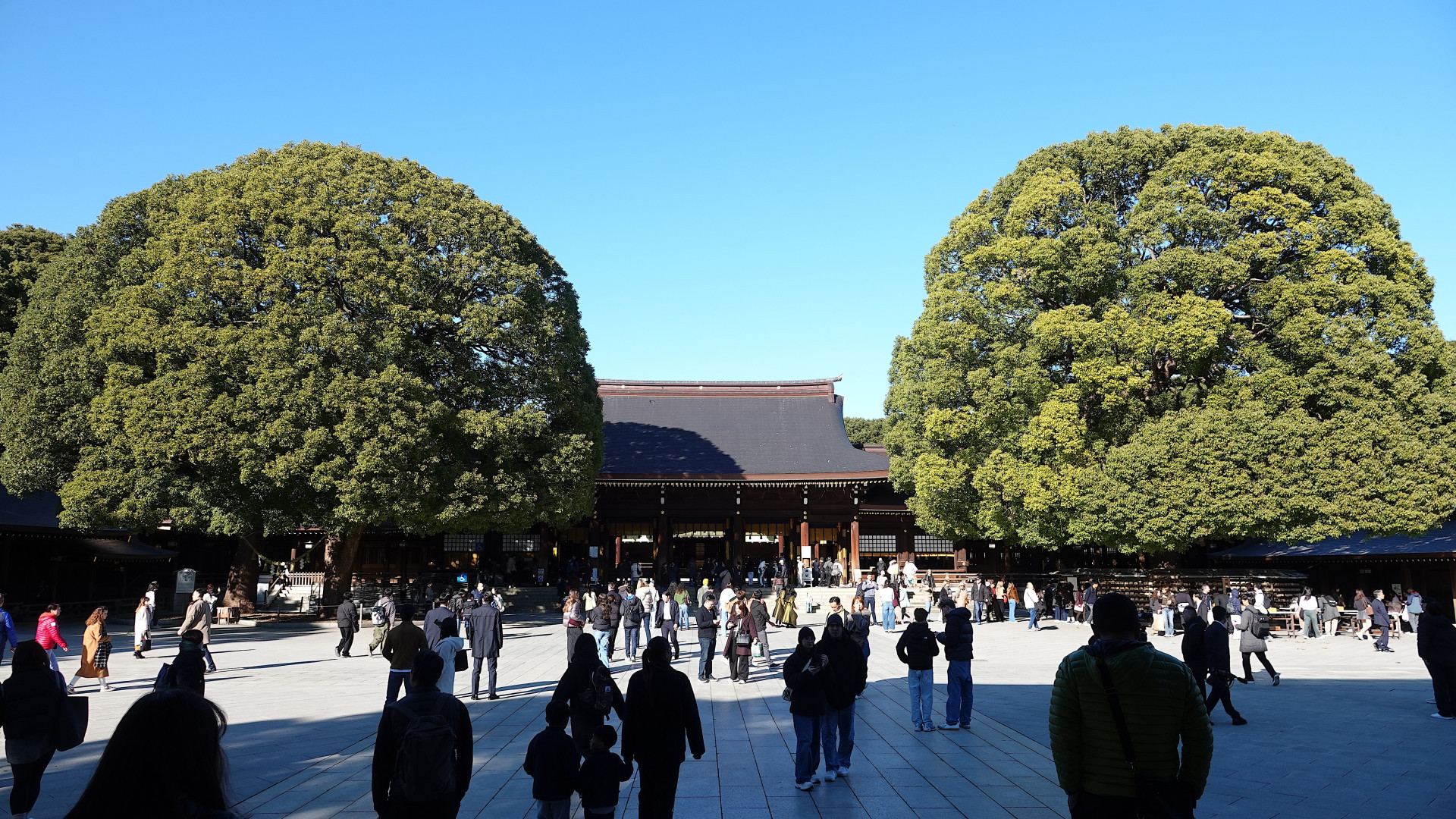
Here, the city steps back.
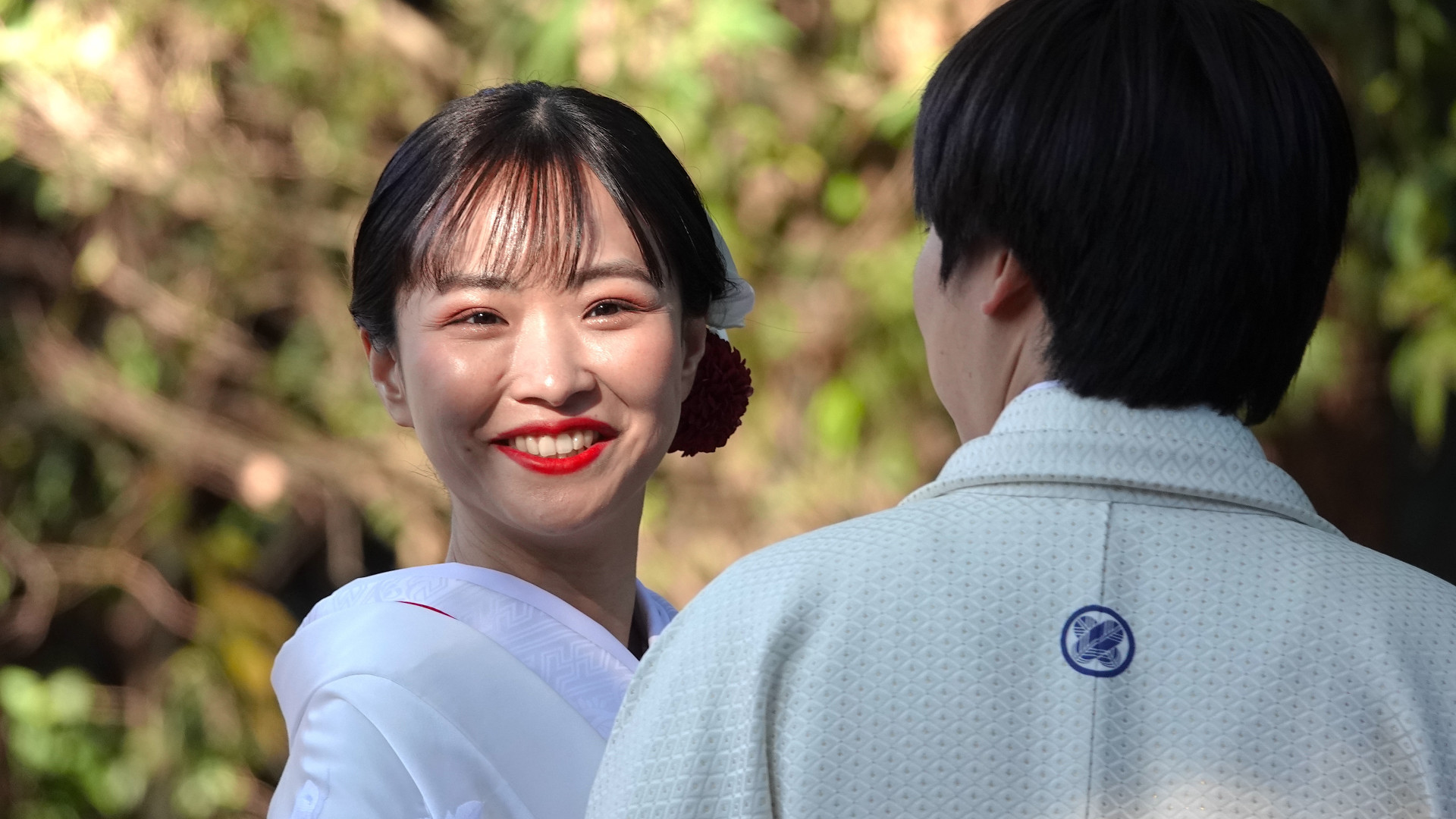
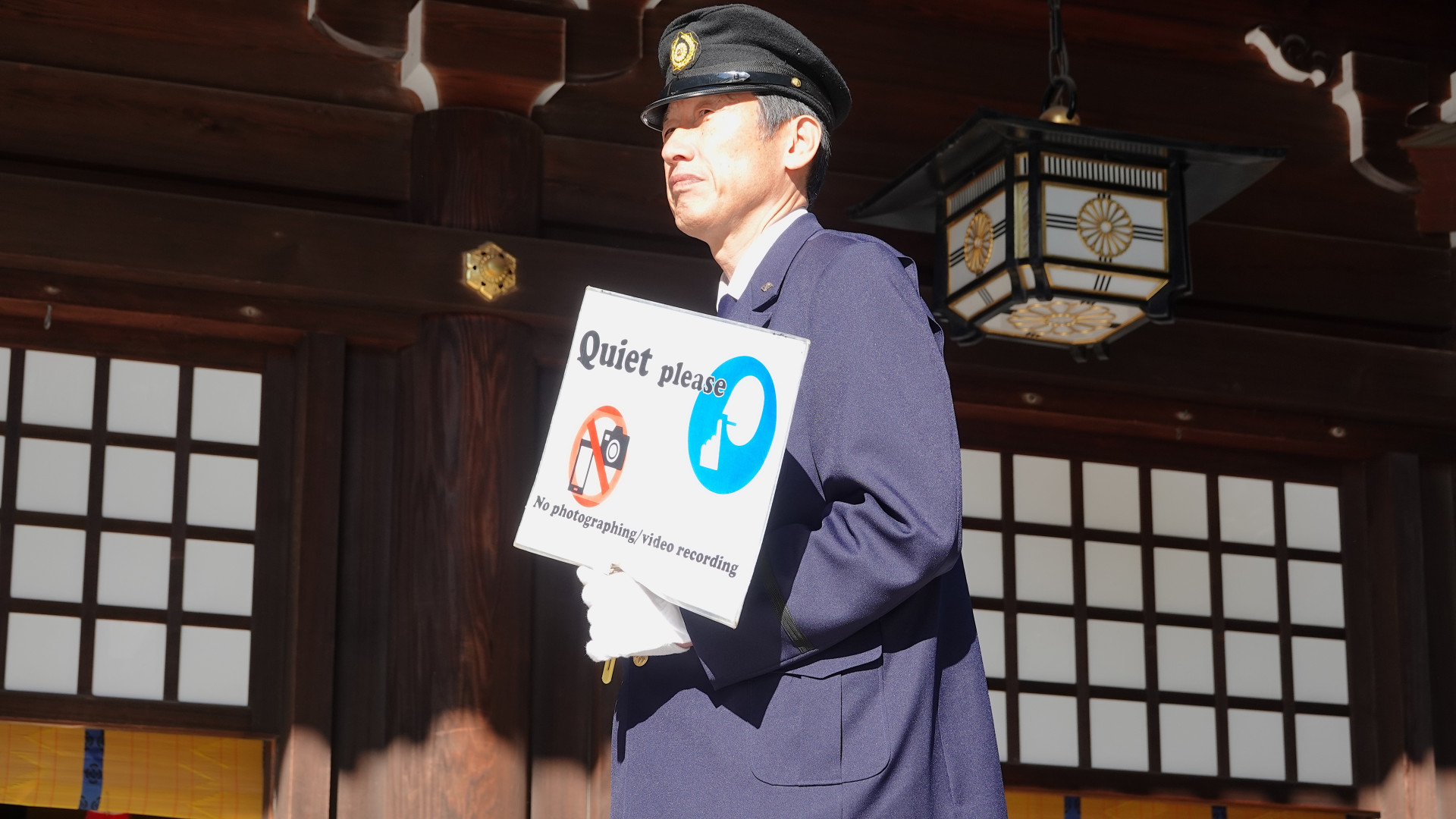
But the rules remain: photography is prohibited in the shrine, loud conversations as well.
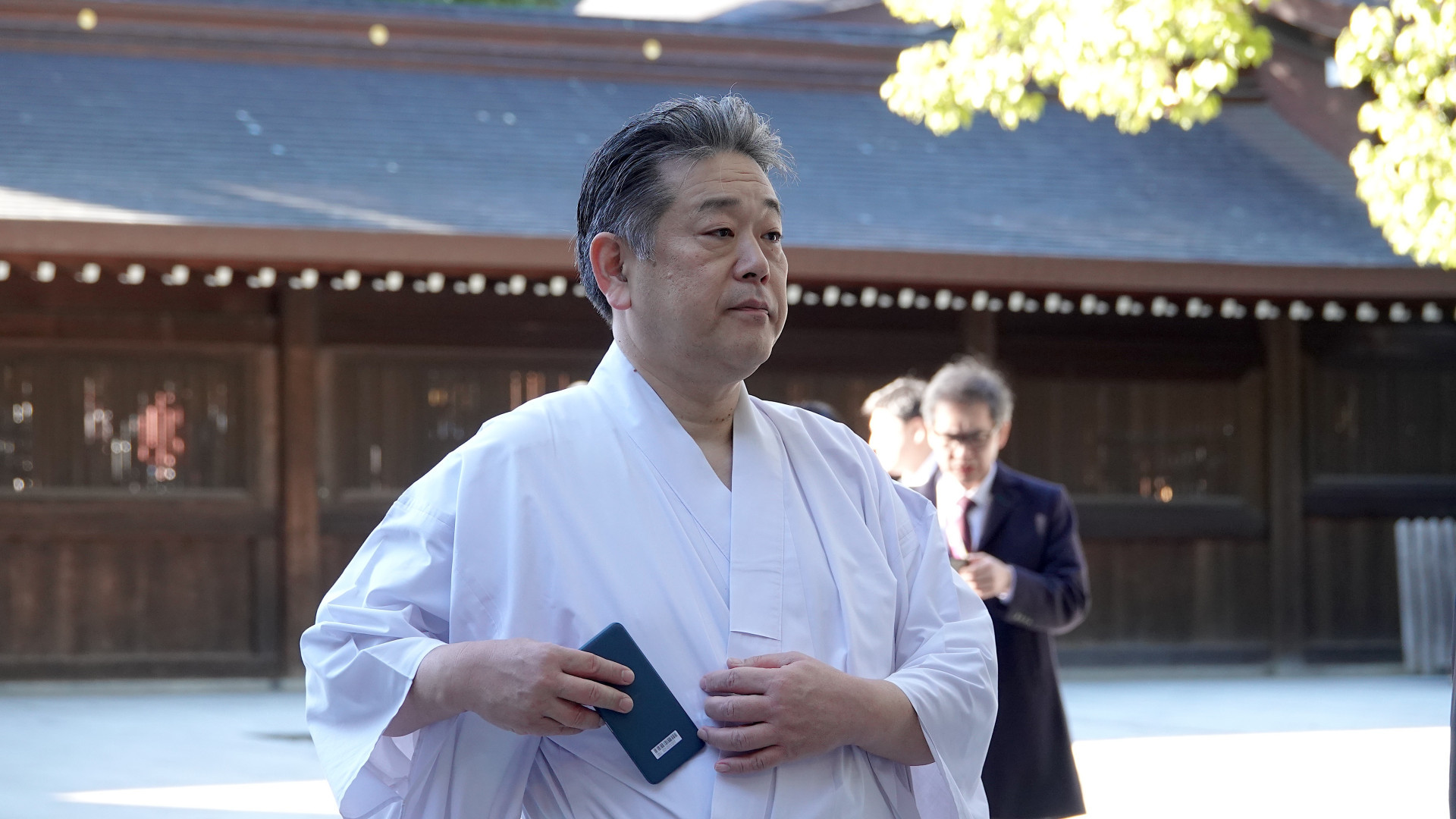
White kimonos, anticipation of a high-ranking guest — and a smartphone carefully hidden in the folds of traditional clothing.
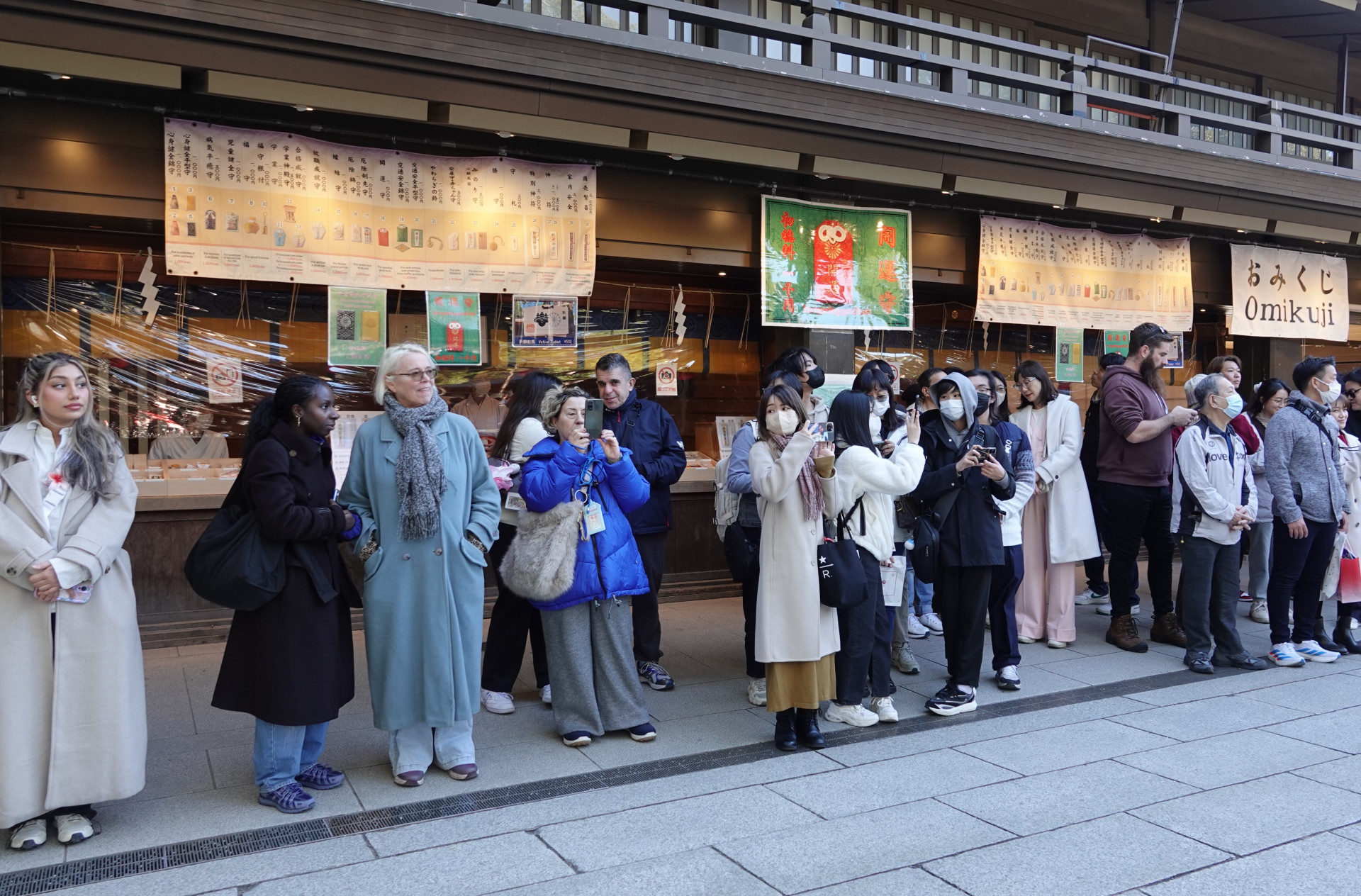
Temple visitors freeze in anticipation of the person for whom cameras and attendants have gathered today. In Japan, even waiting looks organized.
Meiji Jingu is dedicated to Emperor Meiji and the era in which Japan entered modernity without breaking ties with tradition. This is not conveyed through plaques or dates — it is simply felt in the structure of the place itself.
In the book of honored guests, Tokayev leaves a short entry — about unity, identity and respect for a country where the past and present exist in the same rhythm.
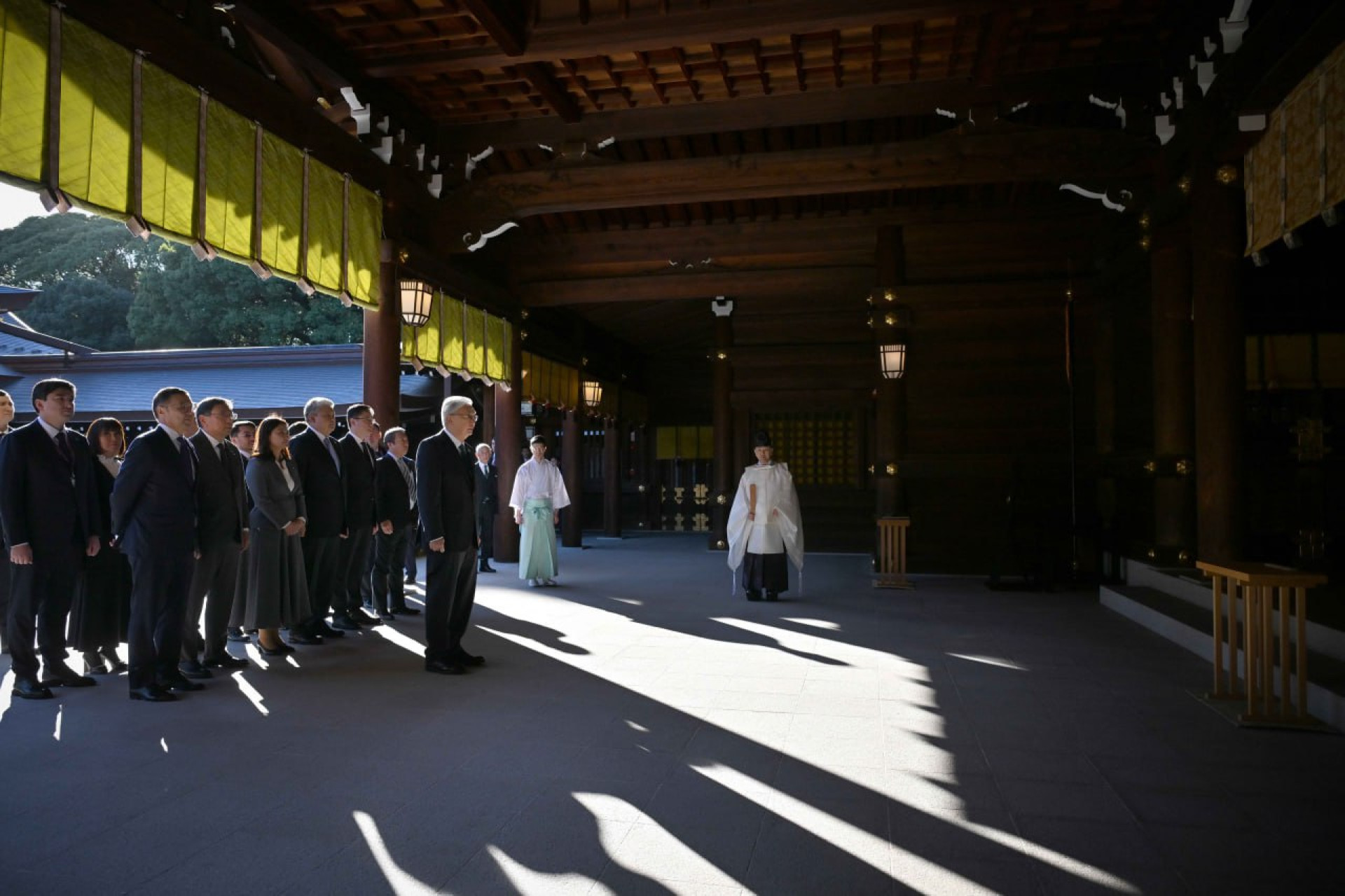
At this point, the silence ends. The day returns to motion.
Kazakhstanis in Japan and Sayasat Nurbek’s nine "ladies"
The President meets with Kazakhstanis who live and work in Japan. Some have been here for many years, others arrived recently. They live here without losing touch with where they came from.
The meeting feels less like an event and more like a conversation.
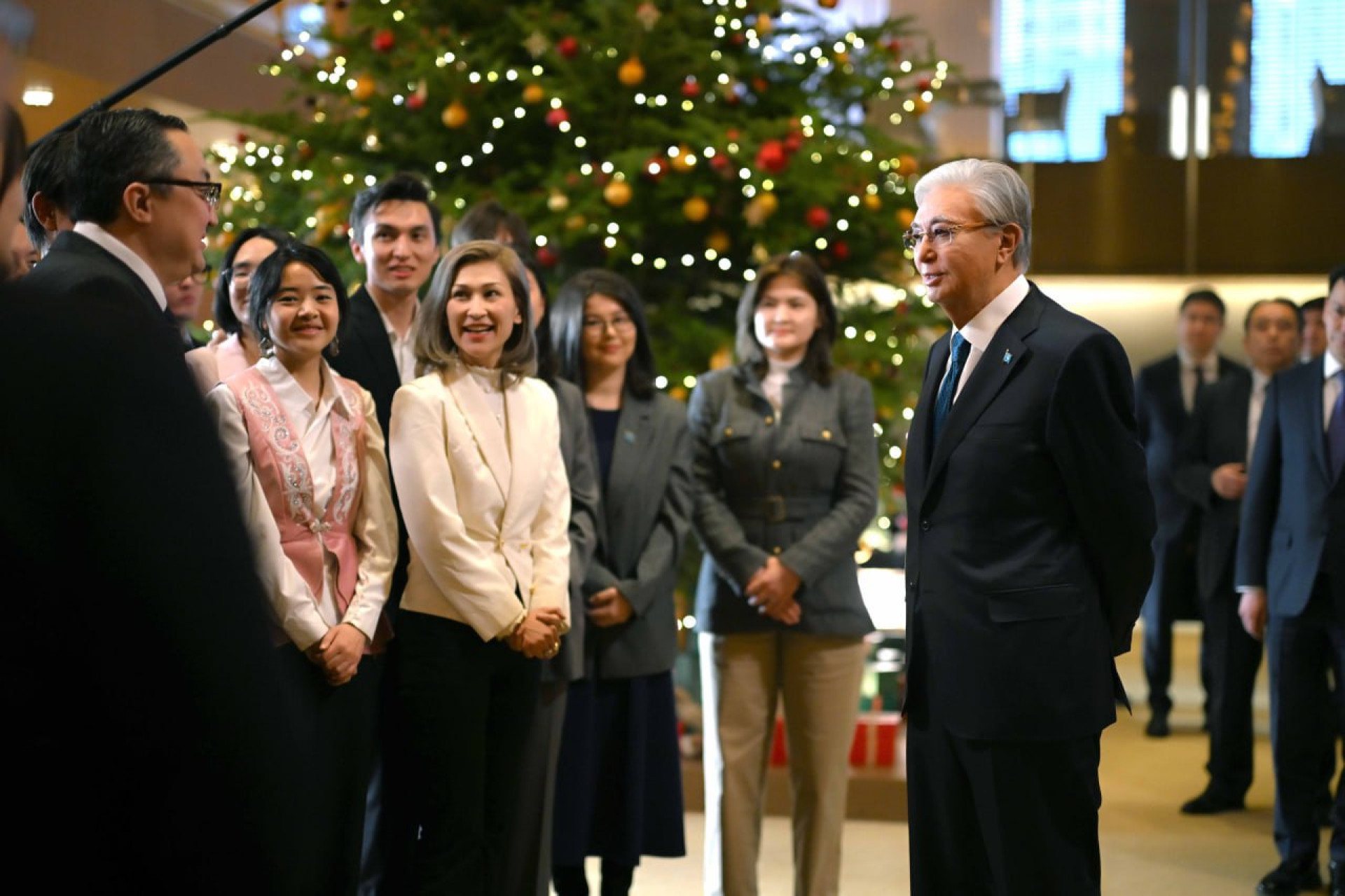
Tokayev listens and responds without lengthy speeches. He speaks about the country’s future and the tasks that will have to be solved gradually and seriously. Then he politely suggests taking a joint photo.
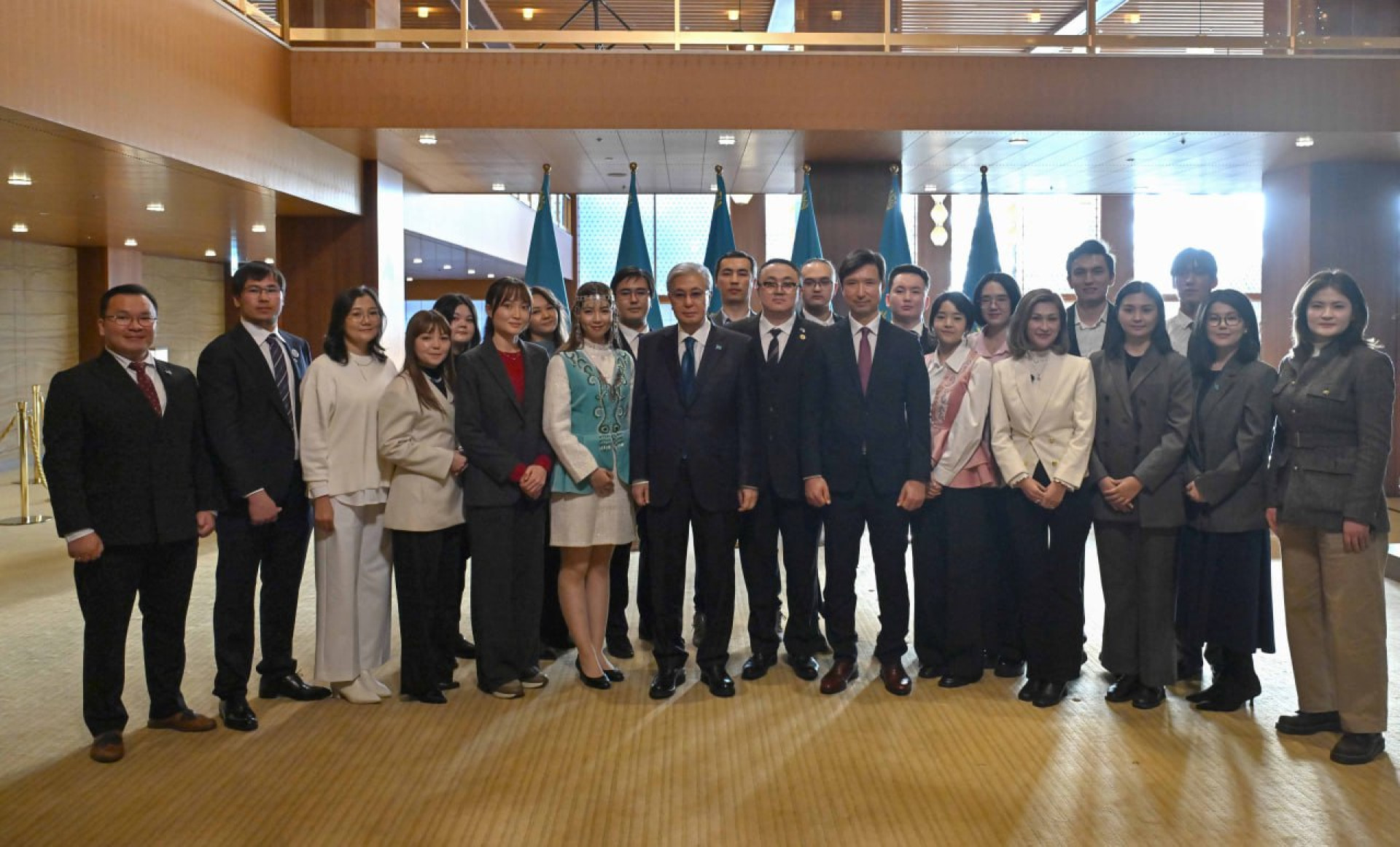
After that, journalists continue talking with the Kazakhstanis. Erkzhan Karataeva tells me what she and her husband do in Japan. Their business is a bridge between Central Asia and Japan: education, startups and innovation.
They have been in Japan for six years. First, they arrived by invitation for work. Then they stayed. For the past three and a half years, they have been running their own business.
I ask whether it is easy to open a business in Japan.
— Difficult, she answers immediately. — At first, there was support from the Japanese government and a startup visa. Then a business visa. We work a lot here. When we go to Kazakhstan, we relax a bit. We have many relatives — that’s the difference.
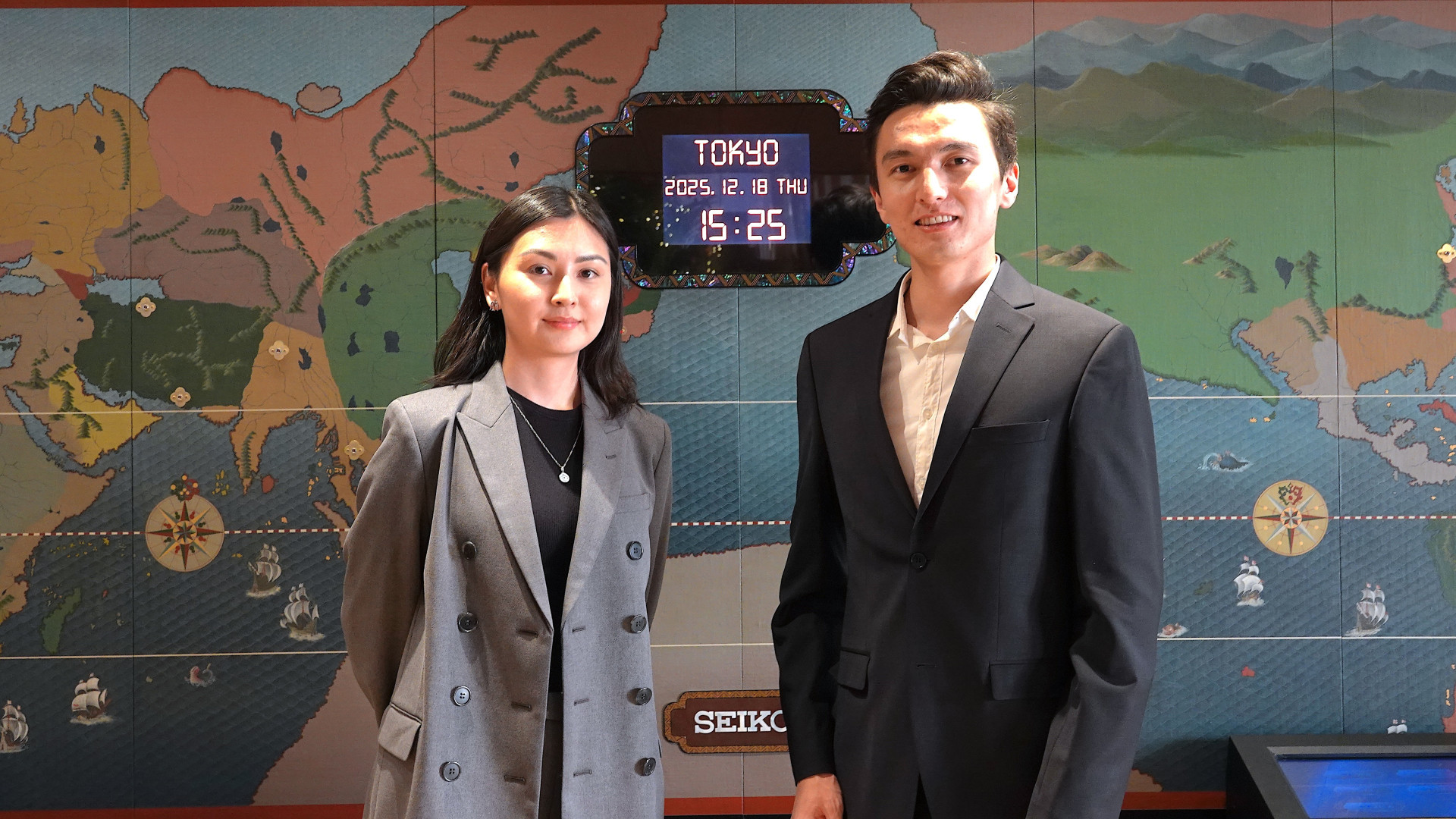
I ask whether Kazakhstanis and Japanese people are very different.
— There are many rules and manners here. It is very difficult for someone who comes for the first time. You have to learn a lot. Especially in business — there are many behavioral rules. If you do everything wrong, people may simply stop working with you.
Speaking about what she would like to bring from Japanese experience back to Kazakhstan, she mentions attitude toward time. In Japan, being late is a system failure. In Kazakhstan, it is part of the plan.
The conversation briefly turns to a favorite topic in Kazakhstan — speed.
— How is the internet in Tokyo?
— Great. Very fast.
— So that's a myth?
Erkzhan smiles and shrugs.
— I was in Astana. I spend several months there every year. Everything is still fine.
Minister of Science and Higher Education Sayasat Nurbek also had no internet issues in Tokyo.
— The internet is excellent. No problems. I only connected roaming. Good speed.
With the minister, however, the conversation turns to concrete agreements between Kazakhstan and Japan.
— Traditionally, it is difficult to work with Japanese universities, Nurbek begins. — They are very closed and conservative. But we have had a small breakthrough.
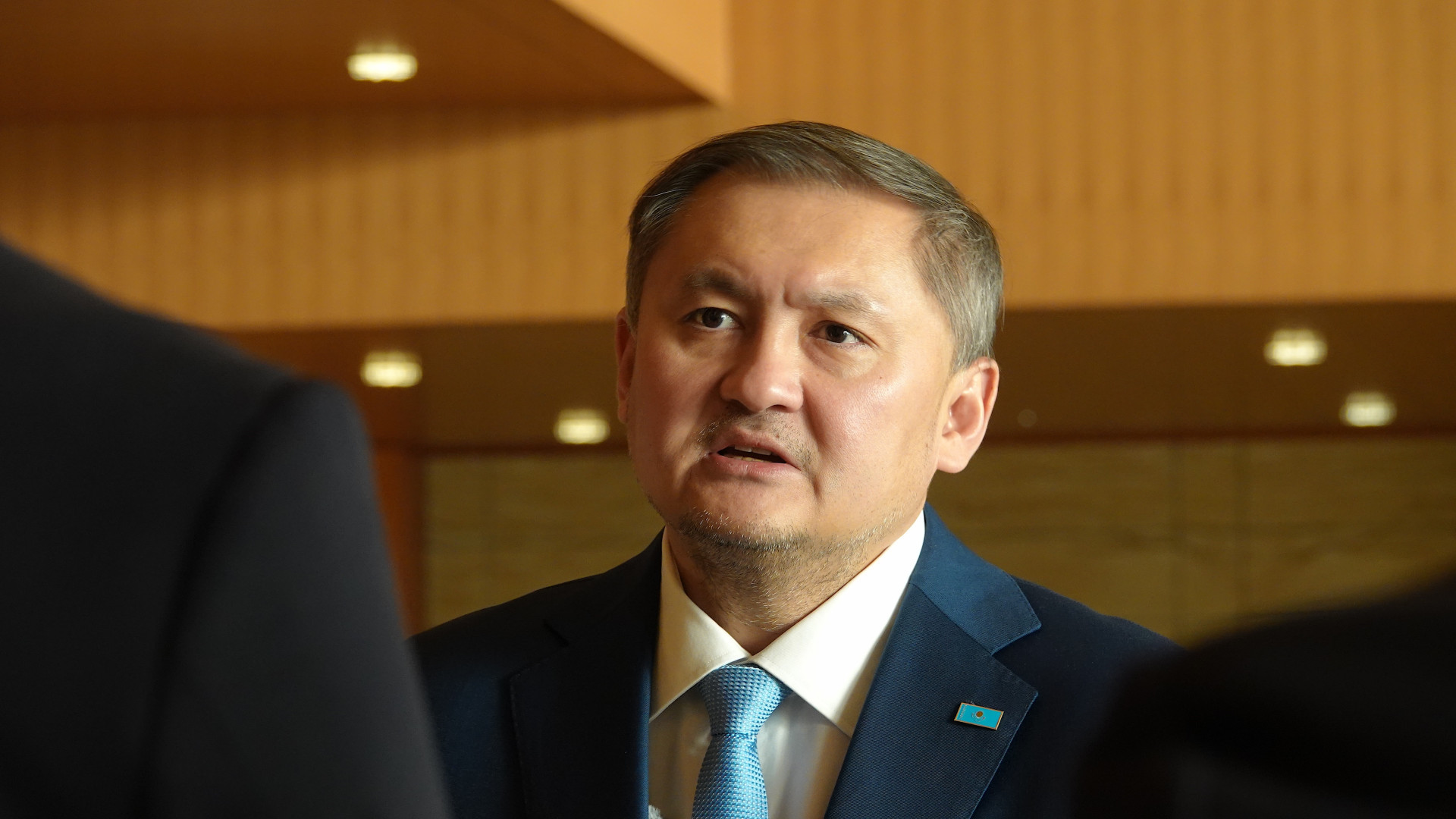
He is referring to three agreements.
The first is a framework agreement between the relevant ministries: academic mobility, exchange of professors and more direct access to cooperation with Japanese universities. The second is with Ritsumeikan University. If everything works out, the first branch of a Japanese university may appear in Kazakhstan as early as next year. The third is with Hitachi — supplies of scientific equipment for training specialists in nuclear energy.
— It was announced that Kazakhstan will receive $3.7 billion in investments. Which sectors will receive most of it?
— Mainly energy and metallurgy, Nurbek replies. — There is a very, very high demand for rare-earth metals. Nuclear energy has received a second wind worldwide. Despite the Fukushima tragedy, Japan understands that without nuclear energy it is impossible to meet the growing demand for electricity.
Knowing that Nurbek speaks several languages fluently, I ask whether he knows Japanese.
— I studied here, he nods.
— At which university?
— No, no. It was a JICA training program back in 2001. That was when a Japanese bridge was being built in Semey. IHI — Ishikawajima-Harima Heavy Industries, he says in one breath.
He says that so fast that I do not immediately realize it is a company name, not a Japanese tongue twister.
— In 1997, I worked there as a translator. And here — at the University of Tokyo.
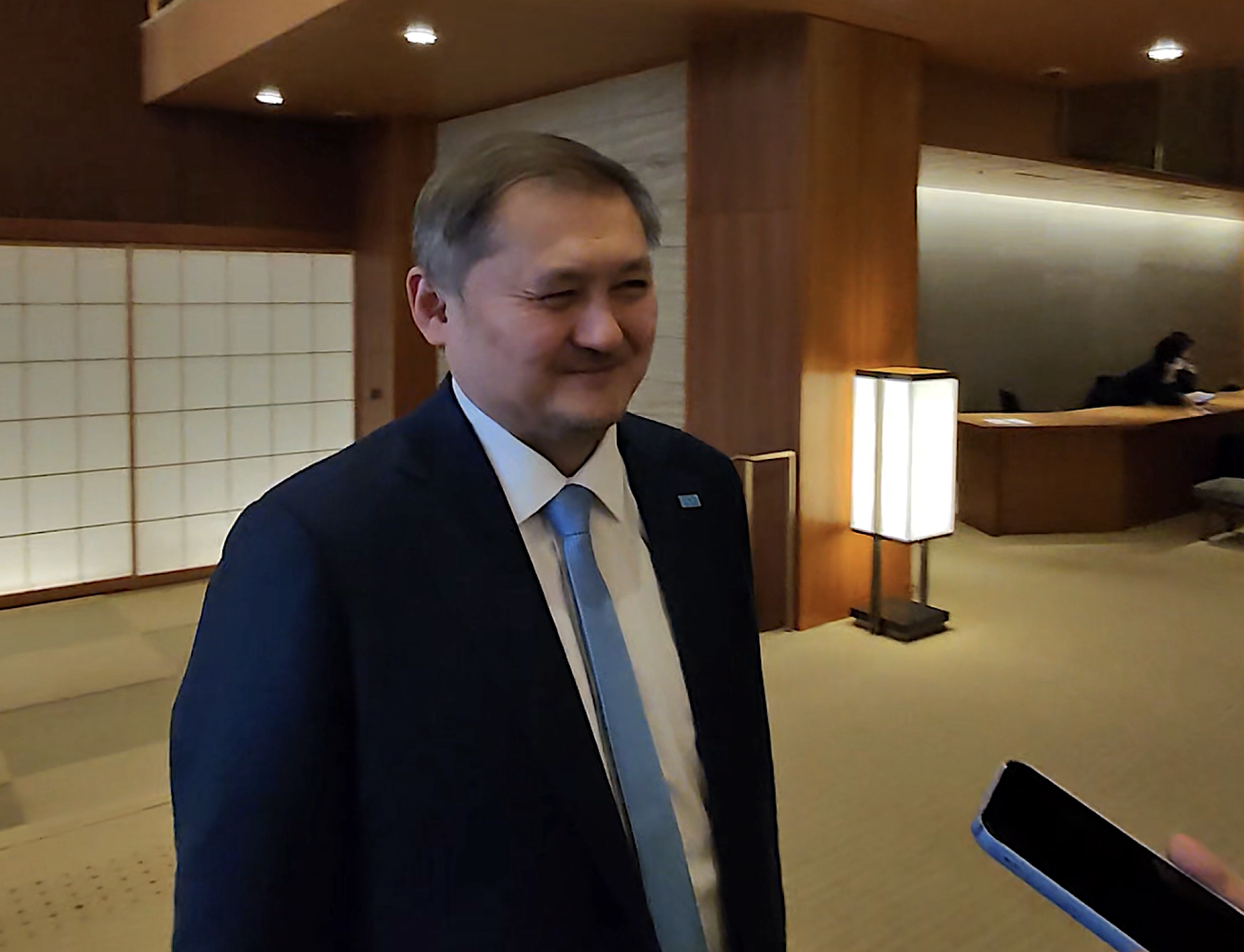
— After all these years, have you forgotten Japanese?
— Of course I have, he smiles. — There is a good British saying: Language is like a lady. If you don’t care about her, she goes away, he says in Russian first.
Then he repeats it in English — slowly and with visible pleasure.
— How many such ladies do you know? I ask.
— Nine, he laughs.
The conversation ends there. The delegation has its own negotiations ahead, while the journalists have their own meeting point — the Japanese Prime Minister’s Office, where the rules will once again make themselves known: where to walk, where to stand, who is allowed to film, and who is meant to simply listen.
How Tokayev surprised Japan’s Prime Minister
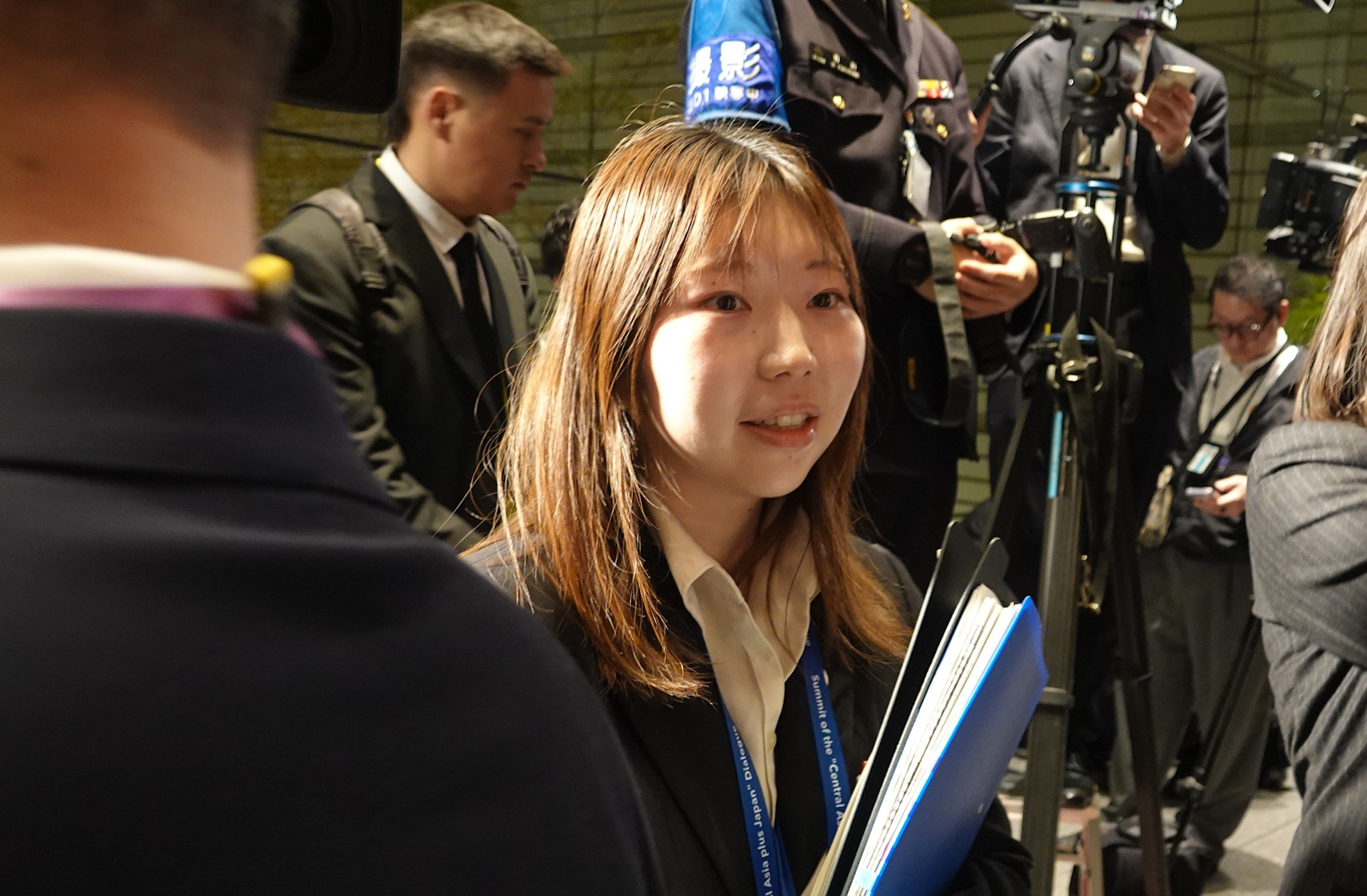
Kazakhstanis are helped by a woman named Aigul — or at least that is how she introduces herself. Her real name is Misaki, a Japanese woman who worked in Astana during EXPO 2017 and studied in Almaty for just one year, easily mastering conversational Kazakh.
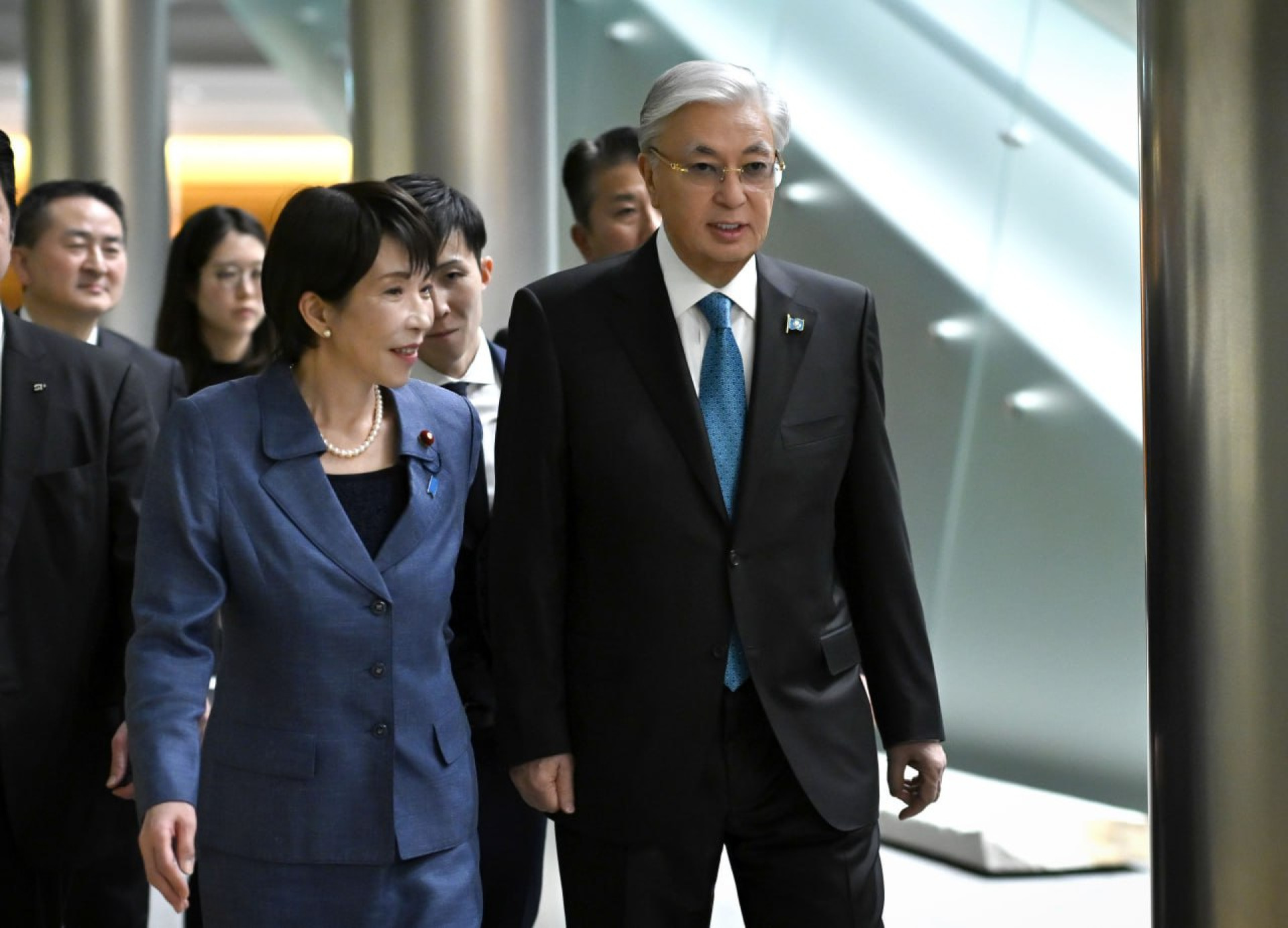
Japan’s Prime Minister Sanae Takaichi meets the President of Kazakhstan at the entrance, not retreating indoors despite the evening chill. A smile is the main sign of greeting.
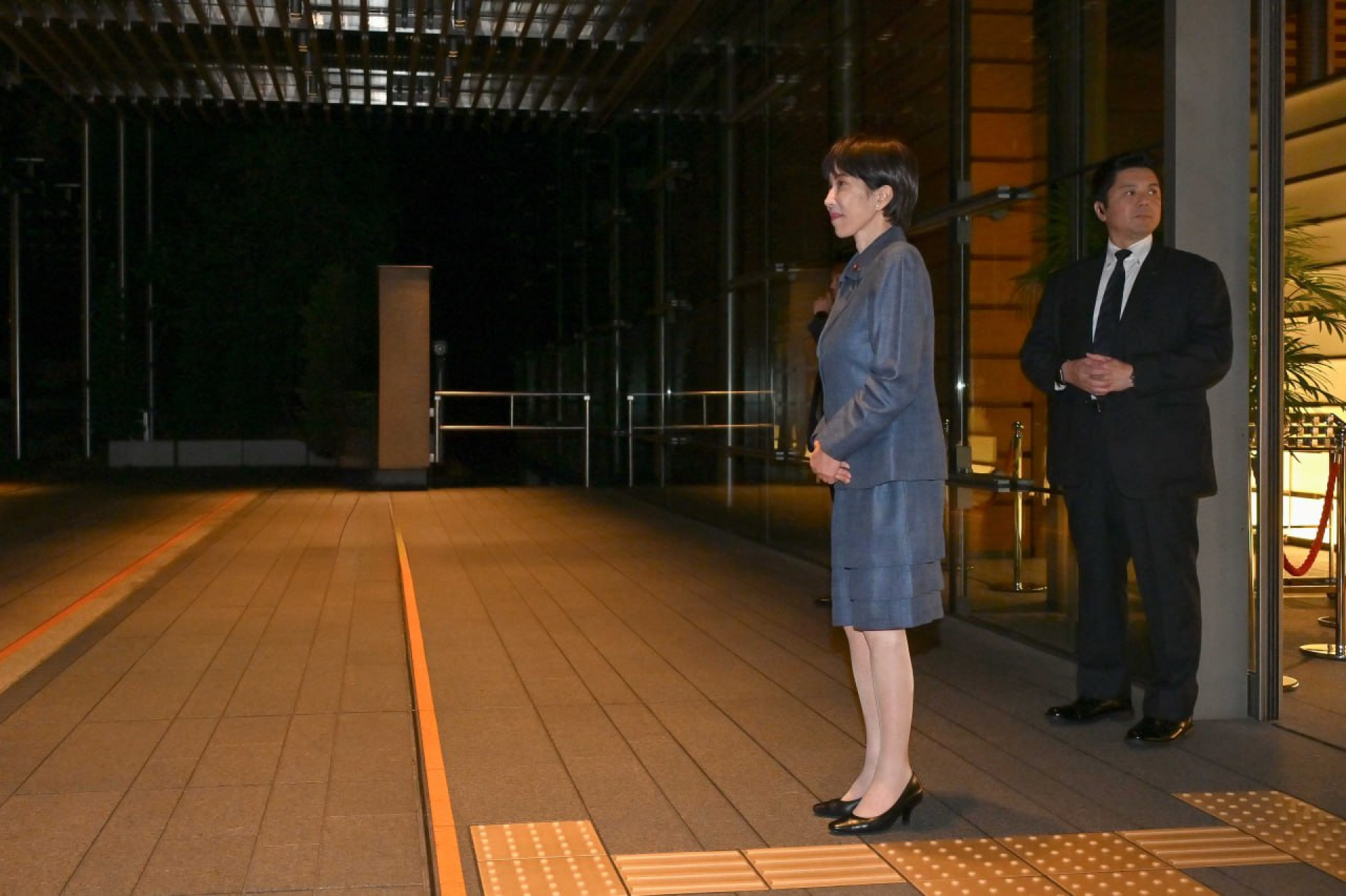
It is hard to believe that this is the same woman once nicknamed the "Japanese Thatcher" and the "Iron Lady". She came to power at a difficult time, becoming the third prime minister in three years. Japan’s population is rapidly aging, the economy is slowing, and public debt and inflation are rising.
It is just as difficult to reconcile her image with another detail of her biography: in her youth, she listened to heavy rock, played drums and rode a powerful Kawasaki motorcycle.
Now, her style is different. "Work, work, work" — that is how she describes her priorities, without promising Japanese citizens a balance between work and personal life. Against this background, talks starting at six in the evening no longer seem unusual.
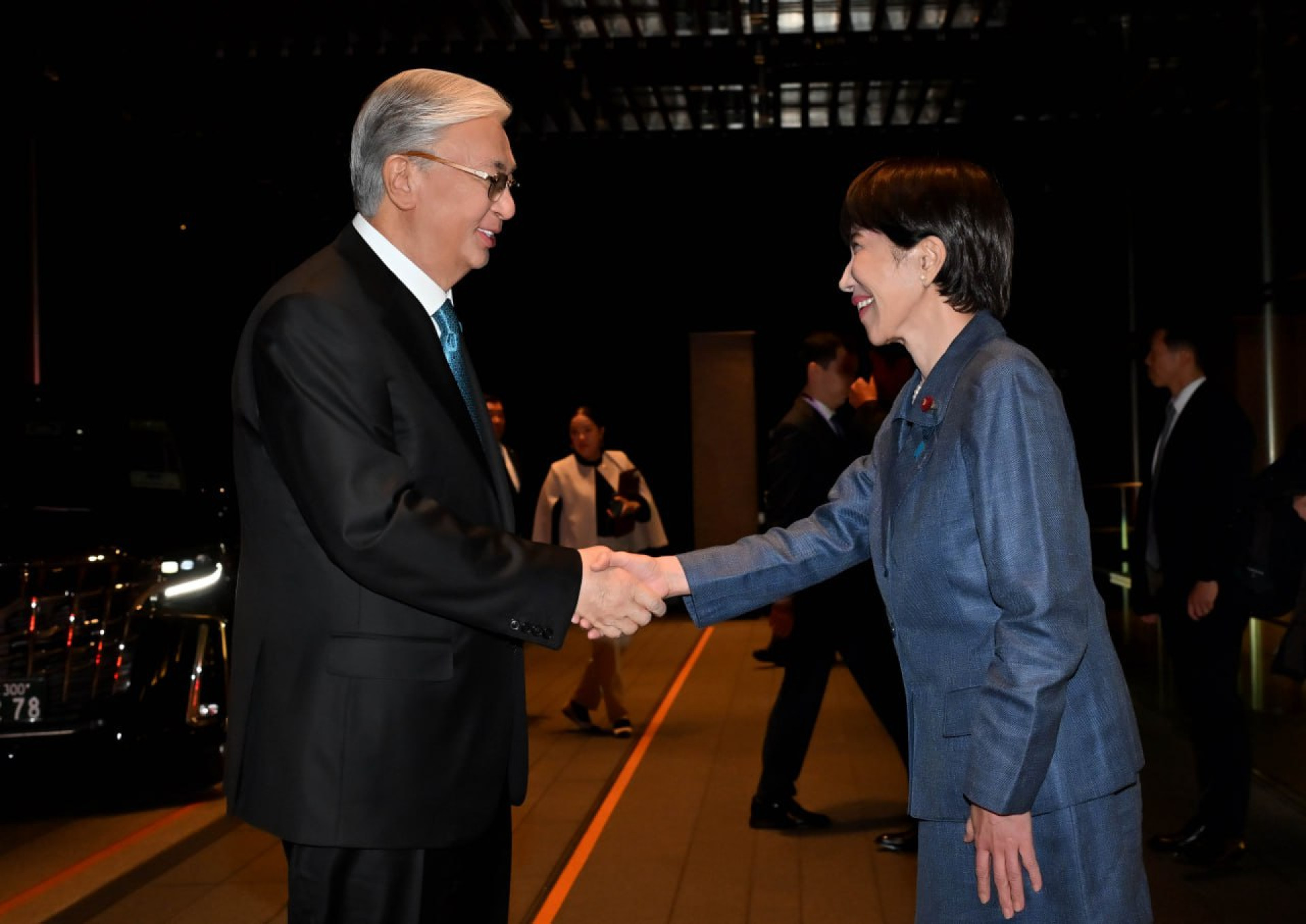
Takaichi’s smile did not leave her face throughout the negotiations.
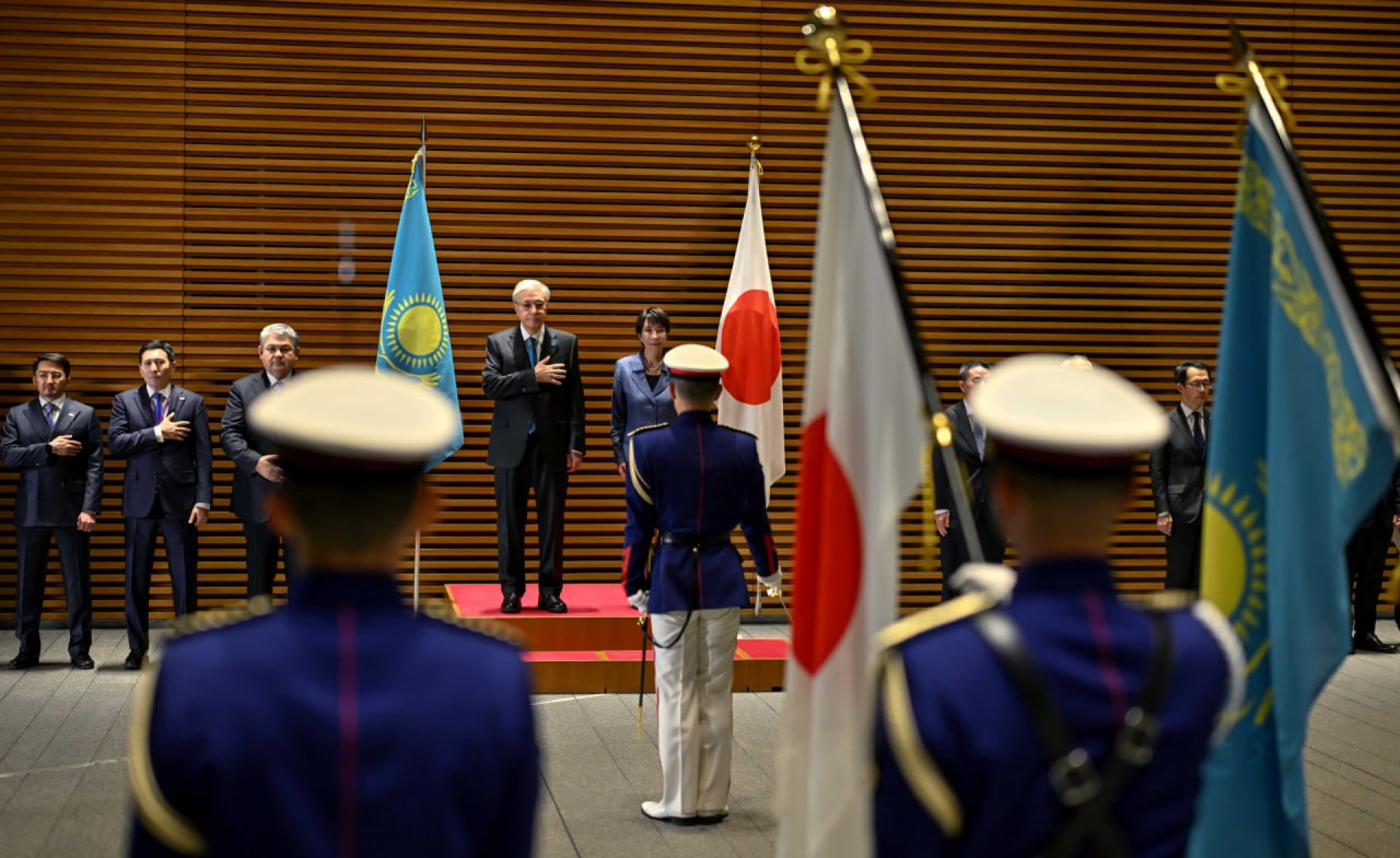
Tokayev appears to notice all these gestures and begins by thanking her for the warm welcome.
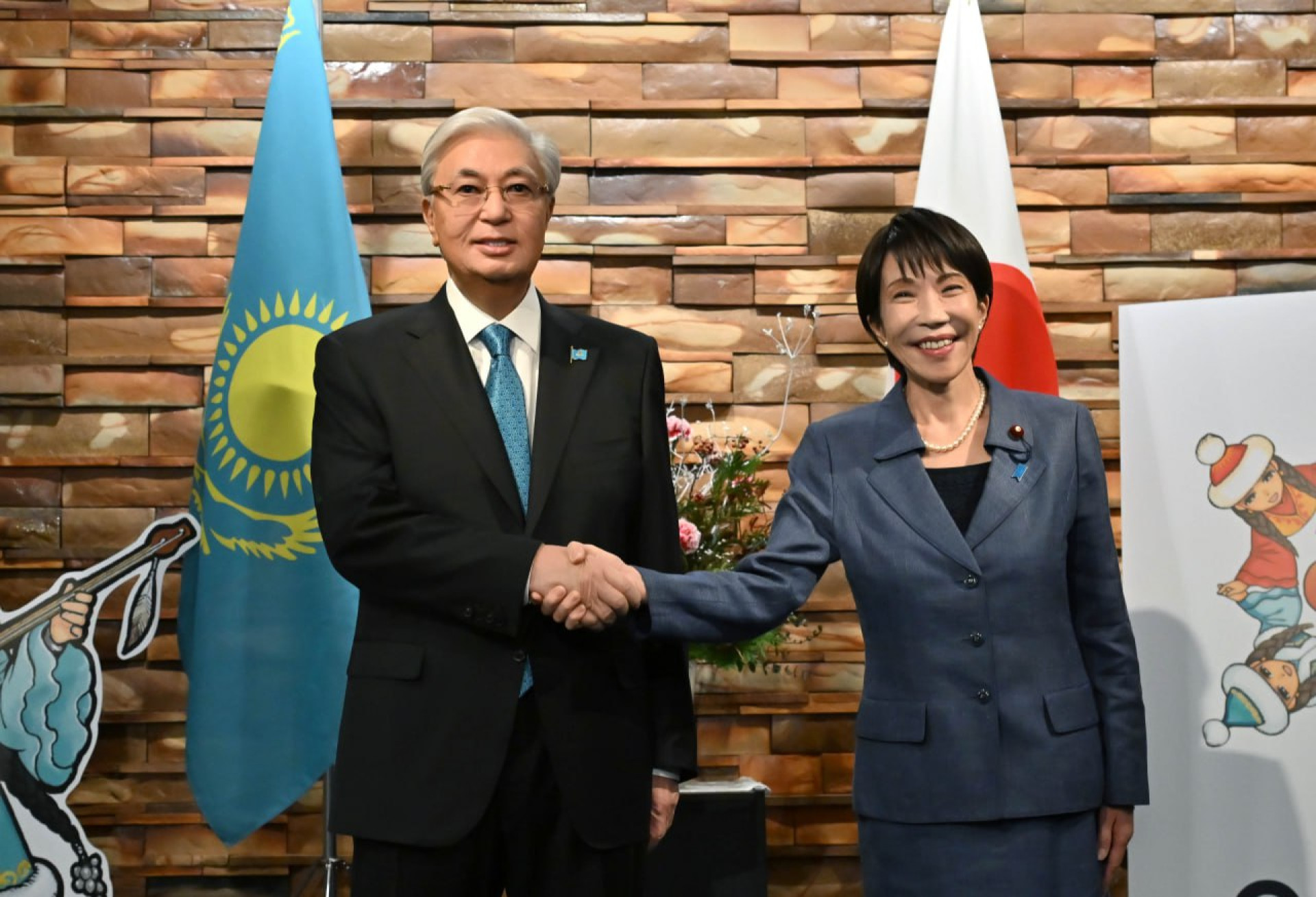
He speaks of the visit as an important milestone in relations with Japan — a country that Kazakhstan has always regarded as a reliable and time-tested partner in Asia.
"Today, Japan is a harmonious and developed country that successfully combines centuries-old wisdom and unique traditions with modern innovations," Tokayev said.
In her speech, Takaichi recalled that Tokayev had visited Japan before, but never as President.
"It has been 21 years since the first meeting of foreign ministers in the ‘Central Asia + Japan’ format, chaired by Mr. Kassym-Jomart Tokayev. Today, you are participating in the first meeting of heads of state in this format as President."
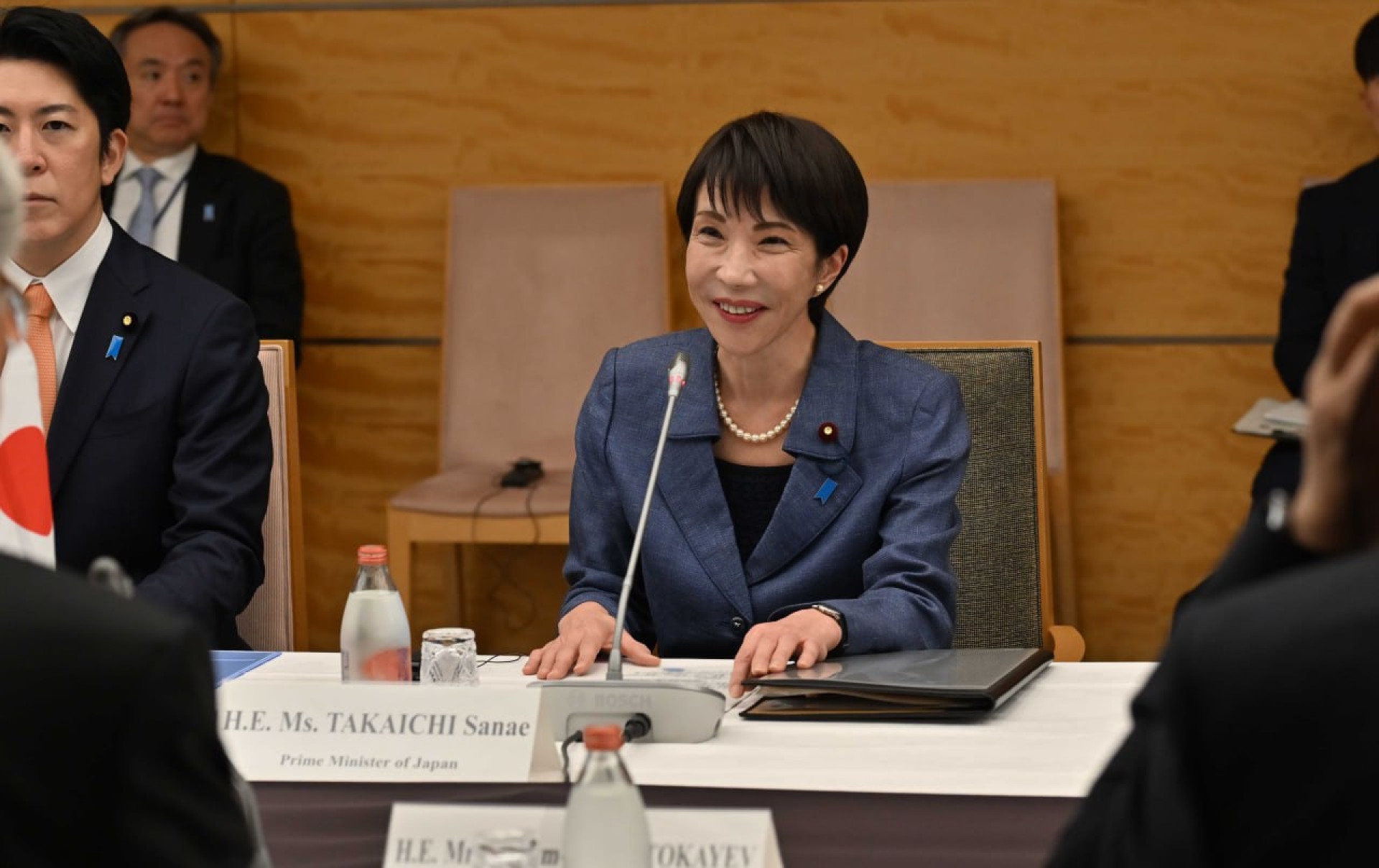
Tokayev agreed, noting that although he had visited Japan four times in different roles, this was his first visit as President.
“Therefore, you are absolutely right that this is my first visit in the capacity of President of Kazakhstan. We have an excellent institutional foundation, because, as you mentioned, back in 2004, together with Ms. Kawaguchi, who was Japan’s Minister for Foreign Affairs at the time, we initiated the ‘Central Asia plus Japan’ format.”
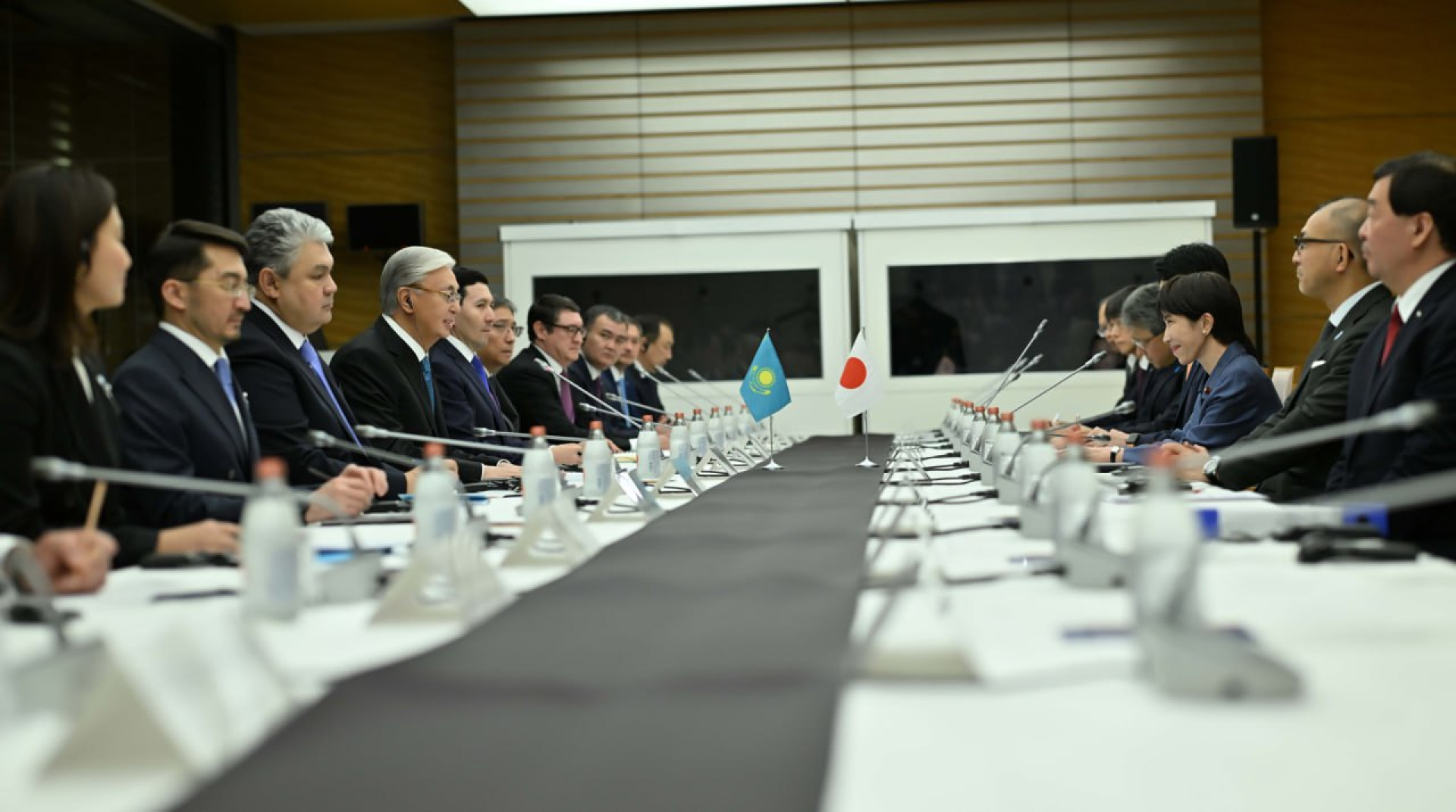
Takaichi calls Kazakhstan a strategic partner of Japan and makes it clear that Tokyo is counting on the continuation of close cooperation. The Prime Minister’s smile remains unchanged.
The outcome of the talks is formalized with signatures: a joint statement by the leaders and another 14 documents signed by members of the delegations.
The formalities are almost complete when Tokayev’s attention briefly lingers on the calligraphy in the documents signed by the leaders. He recognizes the characters immediately and calmly explains their meaning.
Takaichi holds her gaze on the President and does not even try to hide her surprise.
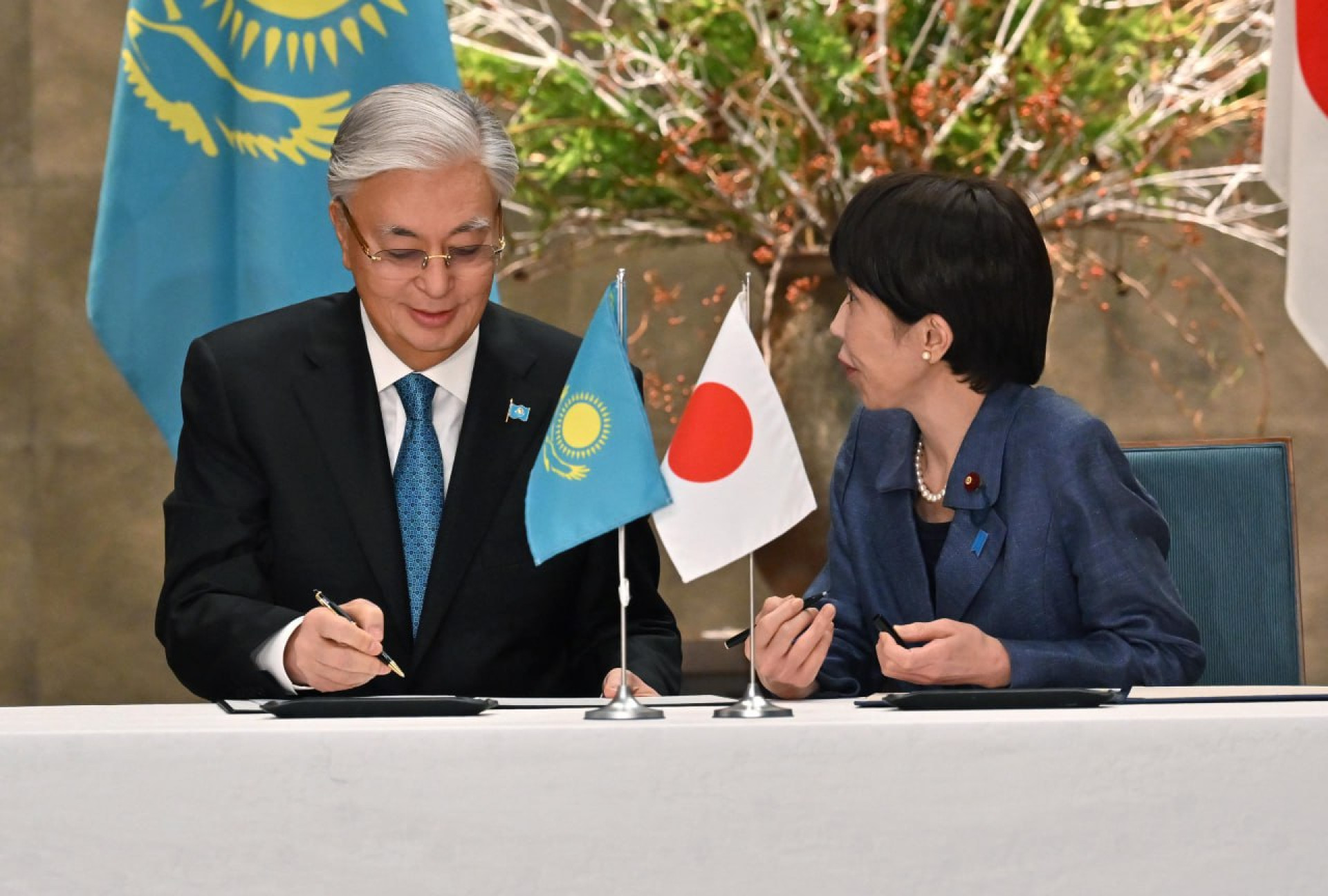
For now, no further details of the agreements between the two countries are being disclosed. But a point of convergence seems to have been defined — and it is felt not in the wording, but in the gestures.
In Japanese diplomatic practice, it is rare for one high-ranking guest to be given two official receptions in one day — from both the Emperor and the Prime Minister. This time, an exception was made.
Japanese diplomacy does not like sudden moves. Decisions here are rarely made "following the meeting" — they are allowed time to settle. And yet, this time, there is a feeling that Japan is ready to move a little faster than usual.
This was the first day of Tokayev’s official visit to Japan. The second day also promises to be eventful, and we will be sure to tell you about it.
Author: Aisultan Kulshmanov
Photos: Tengrinews.kz / Aisultan Kulshmanov; Akorda press service

