A Cypriot cameraman stands in the center of the Independence Palace hall, filming the ceiling, then the intricate wall patterns, and finally the soldiers of the guard of honor. With the presidents' arrival still some time away and no need to secure a position yet, he captures the sights he is seeing for the first time.
A Cypriot cameraman stands in the center of the Independence Palace hall, filming the ceiling, then the intricate wall patterns, and finally the soldiers of the guard of honor. With the presidents' arrival still some time away and no need to secure a position yet, he captures the sights he is seeing for the first time.
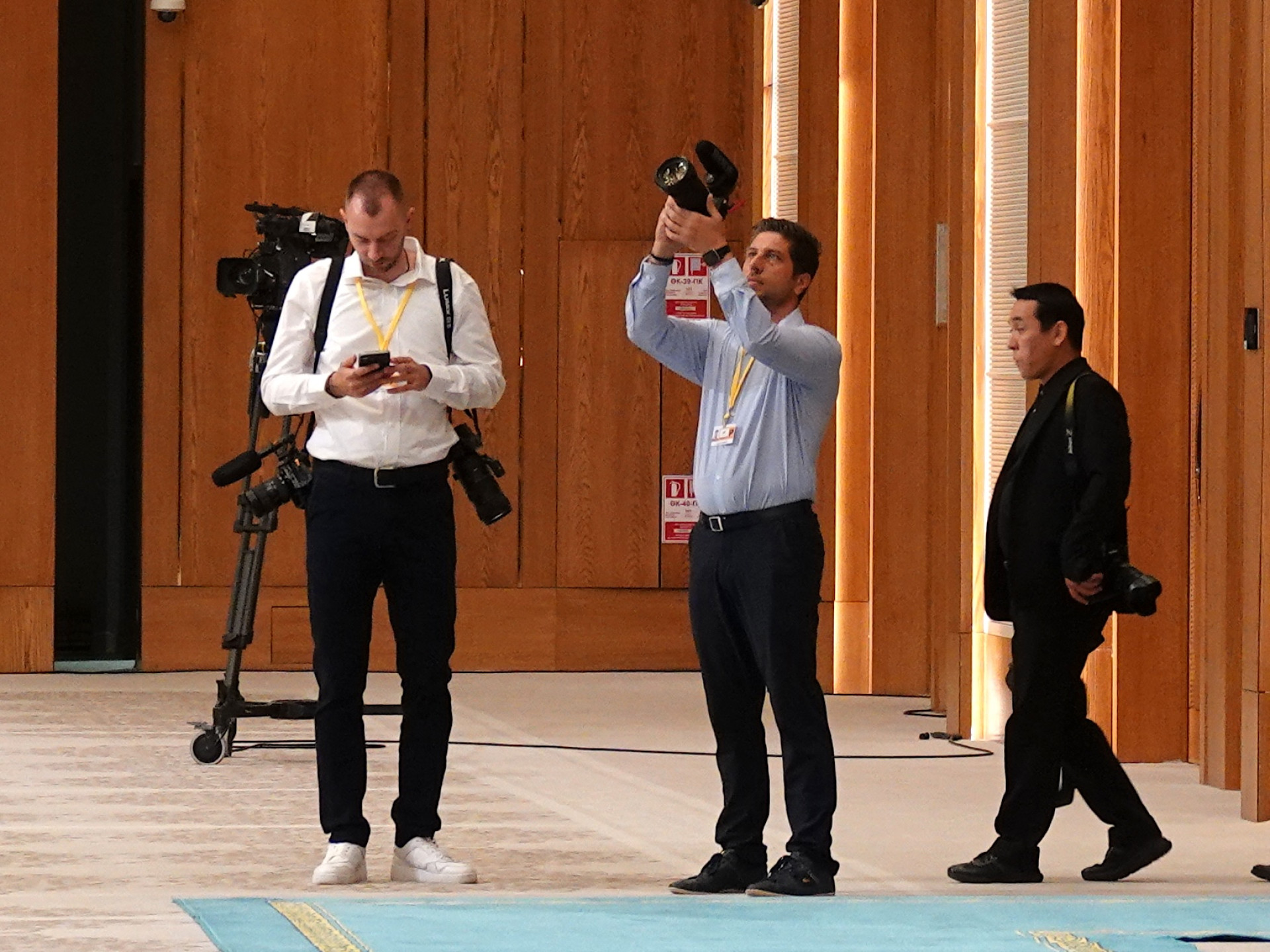
A week ago, this hall was packed: the Russian press pool arrived in full force for Putin's visit. Today, the Cypriot journalists are few enough to count on one hand, and each of them is busy taking in the room.
Cypriot President Nikos Christodoulides has arrived in Astana. Cyprus is an island nation and one of the smallest members of the European Union, while Kazakhstan is the world's largest landlocked country. What Kazakhstan seeks from this European island and why these two nations may understand each other better than it seems—find out in this special report.
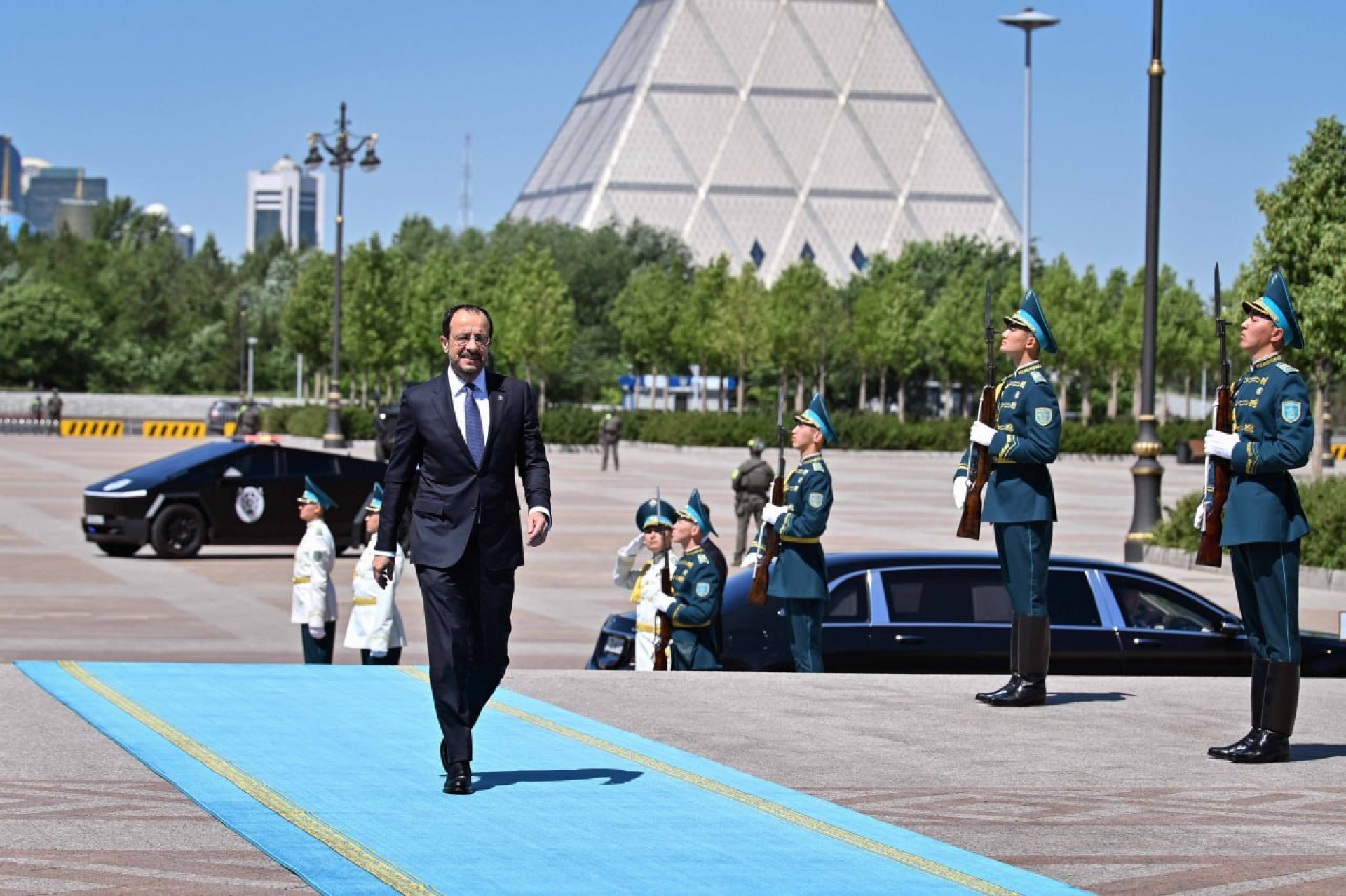
Christodoulides arrived on the first-ever direct flight from Larnaca; previously, there were no direct air links between Cyprus and Kazakhstan. This marks the first official visit by a Cypriot president in history. While Christodoulides has been here before—notably in 2019 as Foreign Minister—back then he was the diplomat arranging presidential meetings. Now, he is the president for whom the diplomats prepare.
European Weight
The delegation from Cyprus was compact but business-oriented: the Minister of Foreign Affairs, the Minister of Energy, and the Deputy Minister for Research. They were accompanied by a large business delegation, as a Kazakhstan-Cyprus business forum was timed to coincide with the visit.
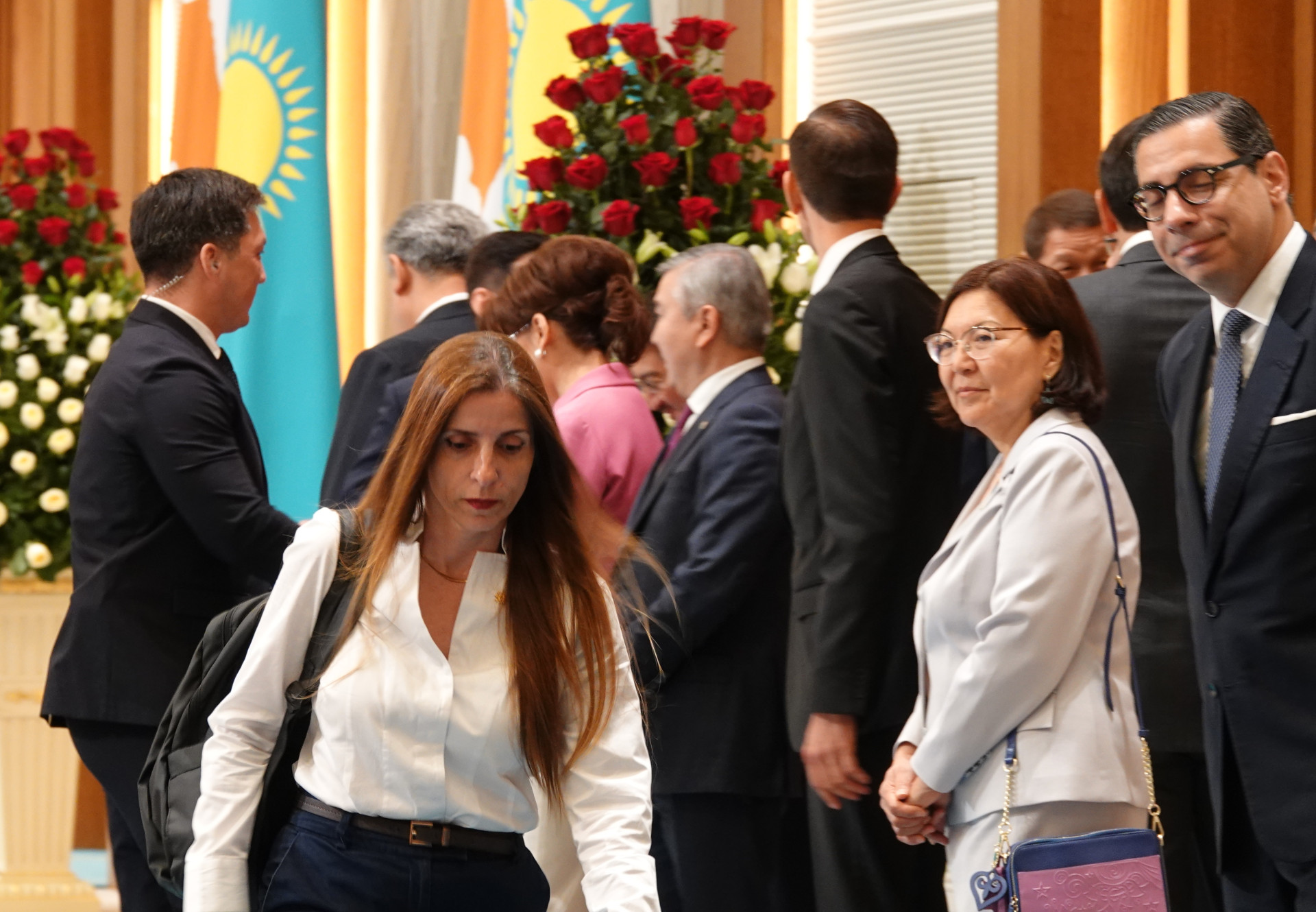
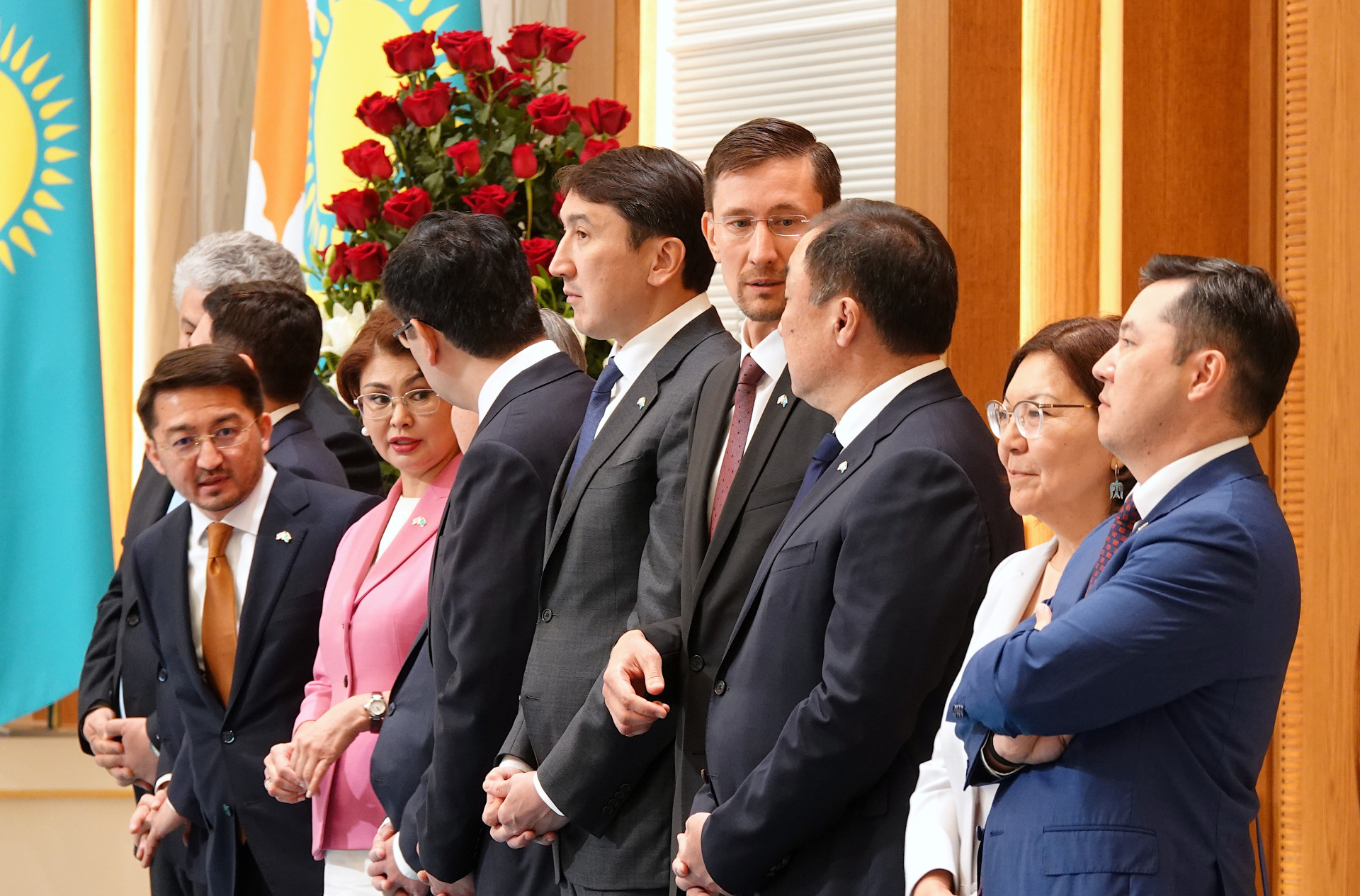
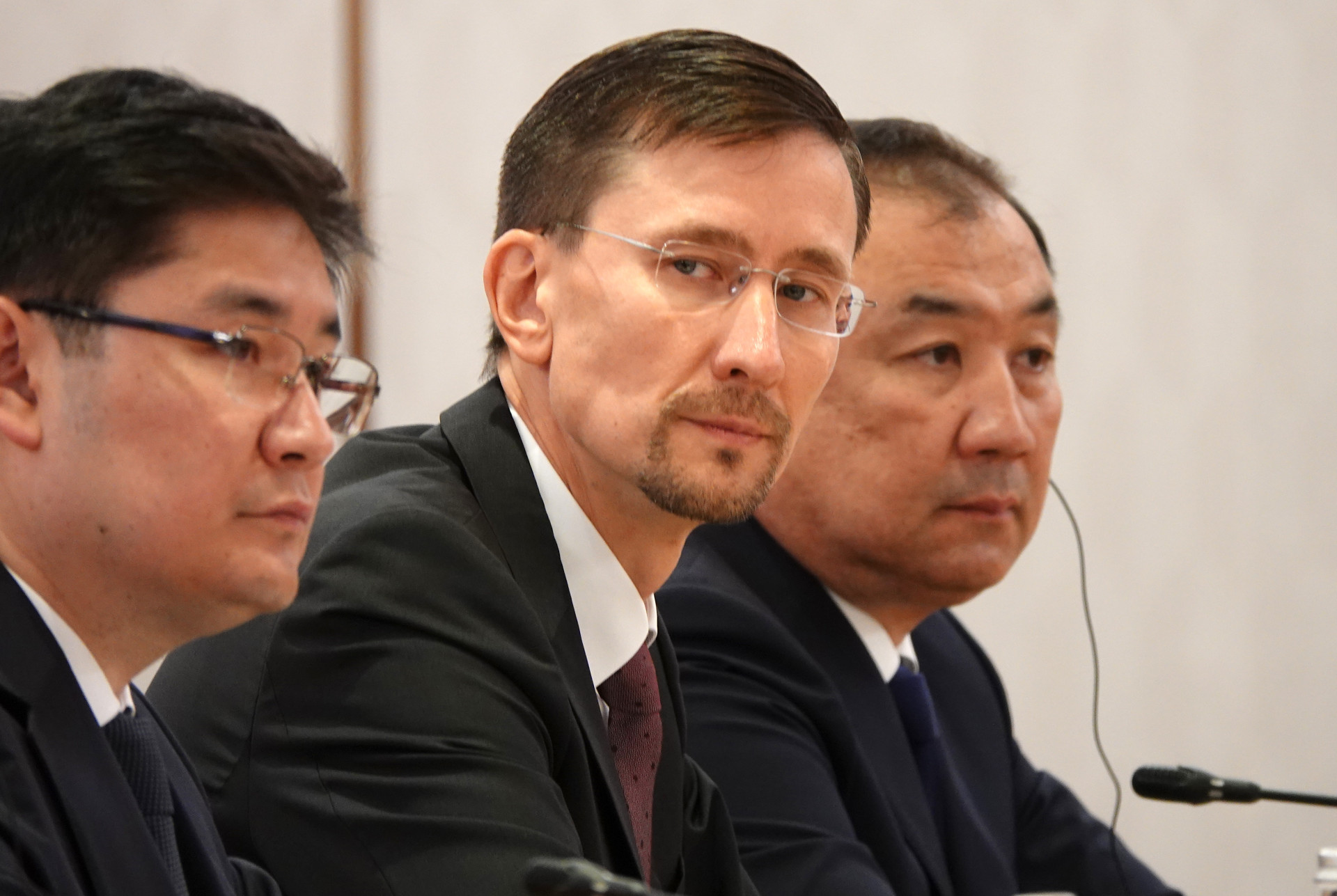
A tall man in glasses at the center is Nikolay Zhumakanov, Kazakhstan’s Ambassador to Cyprus. The Ambassador, as expected, was buried in work. In the receiving line, he stood next to Transport Minister Nurlan Sauranbayev. Nearby were presidential advisors and assistants, deputy prime ministers, the leadership of the AIFC, and a member of the Mazhilis.
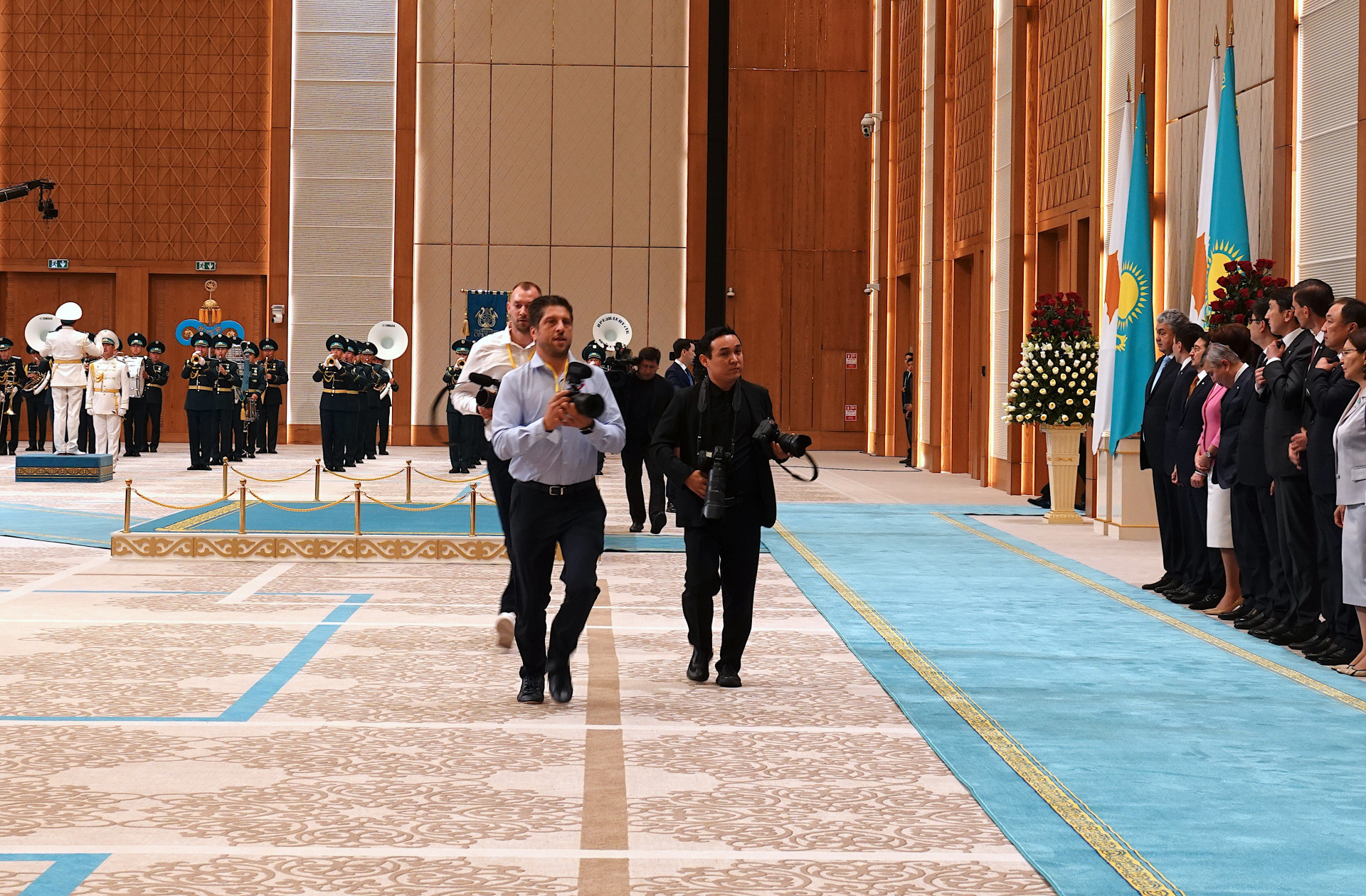
The orchestra raised its trumpets. Photographers and cameramen rushed forward along the carpet.
The presidents entered the building. Tokayev led Christodoulides along the line to introduce his delegation. Two national anthems echoed through the hall before the presidents retired for a one-on-one meeting.
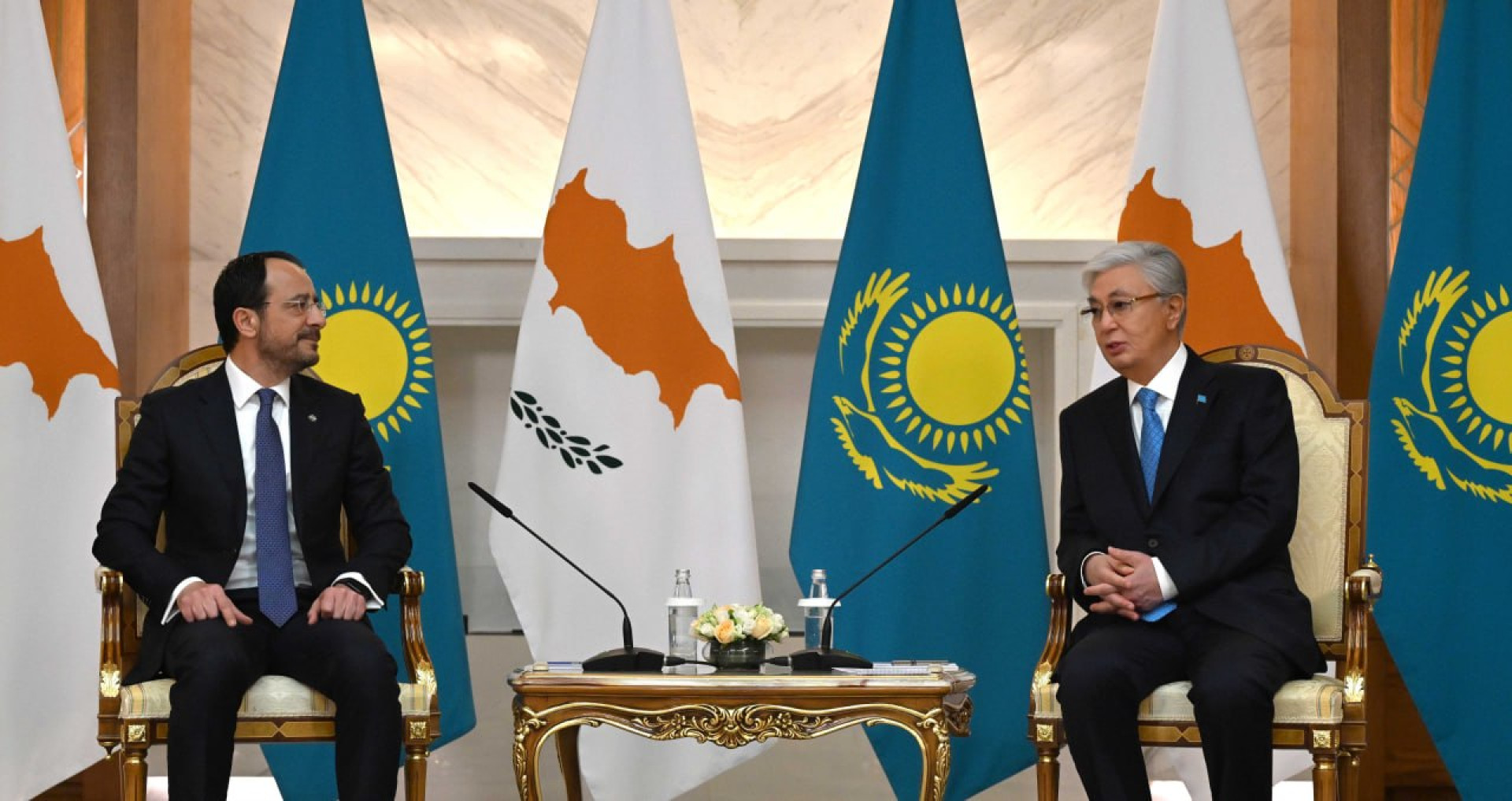
During the talks, Tokayev reminded his guest of his own words.
"In 2019, as Foreign Minister, you visited Kazakhstan and stated that you would act as a reliable friend and a kind of ambassador for our country in the European Union. Today, we can say with confidence that we have managed to achieve significant results."
In the seven years since, the countries have opened reciprocal embassies and launched a direct flight.
Christodoulides added that he came not only on his own behalf. For the next six months, Cyprus holds the presidency of the Council of the European Union.
Small Island, Long Routes
While the presidents spoke behind closed doors, I caught up with the Ambassador. Tall and smiling, he has lived in Nicosia for about a year.
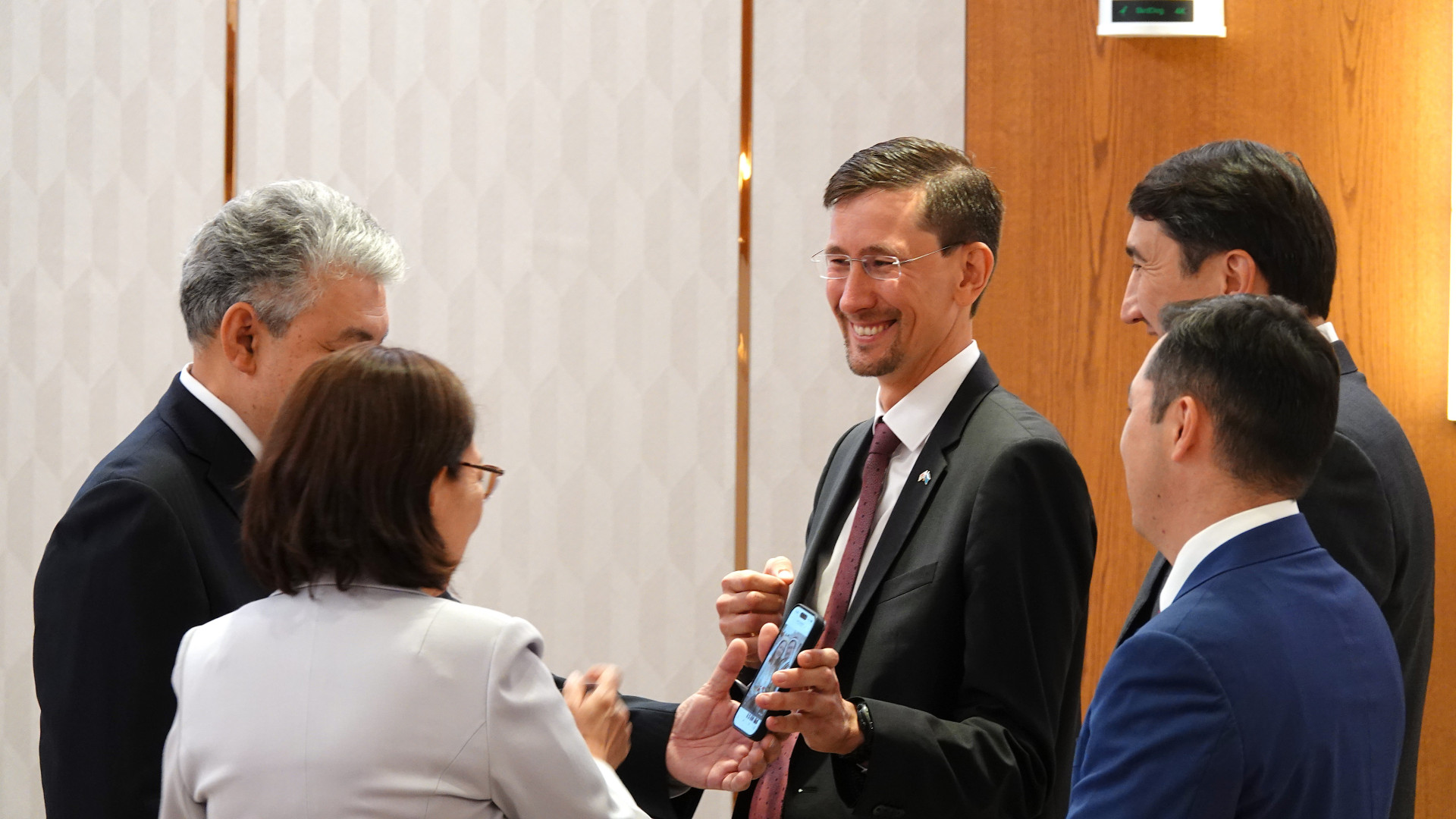
He began with the finances. Since 2005, approximately five billion dollars in investment has flowed from Cyprus to Kazakhstan. The figure is surprising, but the Ambassador clarified: Cyprus is a European hub where companies maintain offices due to the favorable tax regime. These five billion dollars are funds passing through the island—essentially transit capital.
For the next six months, Cyprus chairs the EU Council and, according to Zhumakanov, largely determines the union's agenda. Kazakhstan is negotiating with Brussels on visa facilitation—a move Cyprus supports. The Ambassador did not name specific dates but expressed hope it would be soon.
Money is already flowing through the island. The EU agenda is there too. Now, there is a desire to route cargo through it as well.
Cyprus is located in the eastern Mediterranean, a few hundred kilometers from the Middle East. There are discussions to extend the corridor through which Kazakh goods travel west further—via the island.
"It gives us access to the Middle East and North Africa," the Ambassador says. "Egypt, Algeria, Libya."
"Am I correct in understanding that Cyprus is currently undergoing a bit of a foreign policy reset and positioning itself as a bridge?"
"Yes, their current policy is specifically that of a connecting link, a bridge or, as they put it, a gateway for countries that want to interact with the European Union, among others."
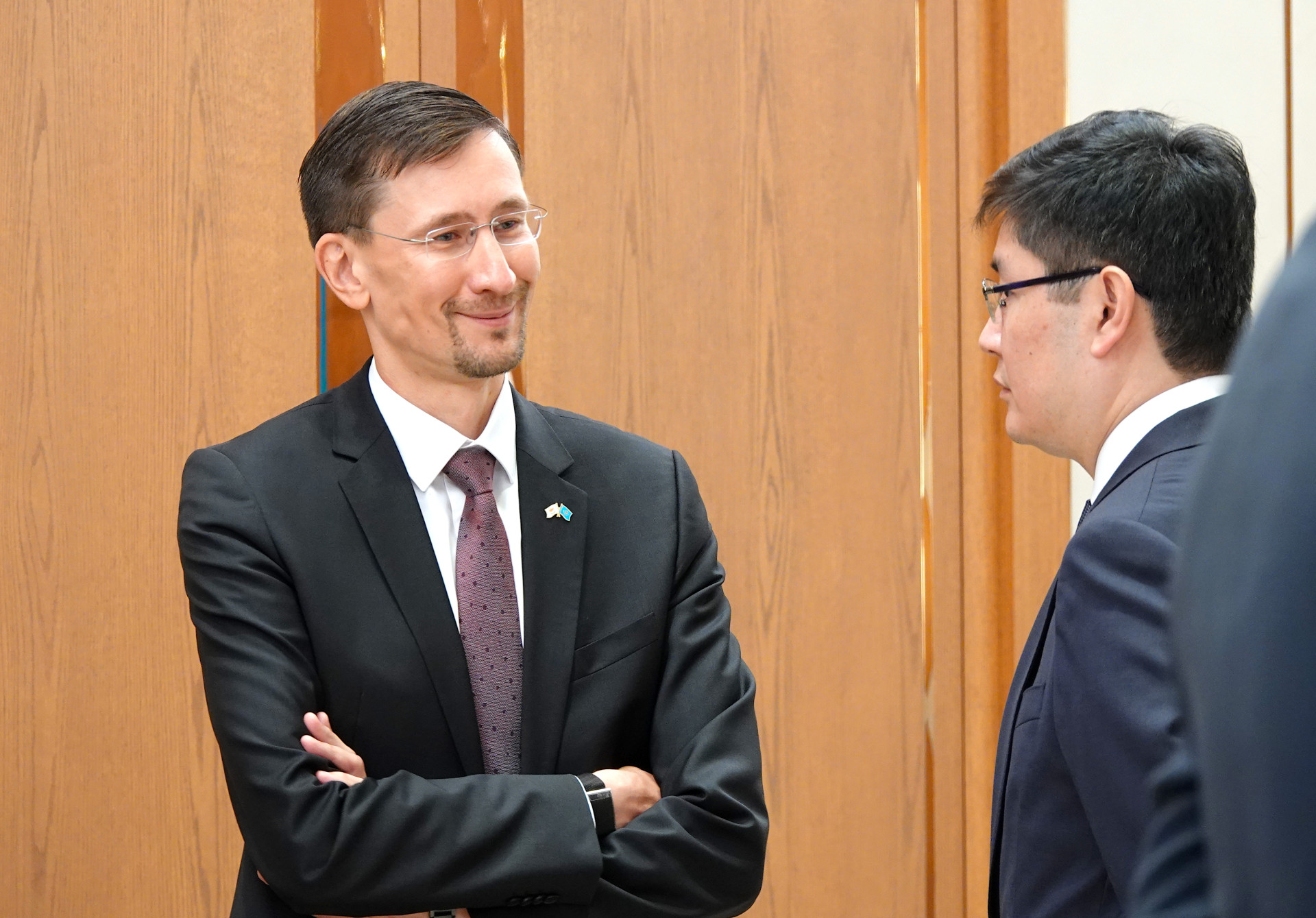
I ask what makes Kazakhstan interesting to Cyprus.
Tourists, investment, the Ambassador replies. And IT. Limassol is considered one of Europe's IT hubs, and we have already begun working there.
"How do you like Cyprus? What, perhaps, surprised you about the country?"
"Well, despite our geographical differences, Cyprus has also been at the crossroads of civilizations throughout its history. In that sense, we have a lot in common in terms of mentality. They are also quite open, very hospitable people, like Kazakhs. They take family matters and respect for the older generation very seriously."
"And how can Cyprus compete for the Kazakhstani tourist? We have visa-free Vietnam, for example, and many other destinations in Southeast Asia."
"Cyprus has the highest concentration of Blue Flag beaches in Europe. This means exceptionally clean beaches, pristine waters, and pure sand. They offer excellent service and high-quality cuisine."
Cyprus is known as the Island of Aphrodite; legend has it she was born from the sea foam near Paphos.
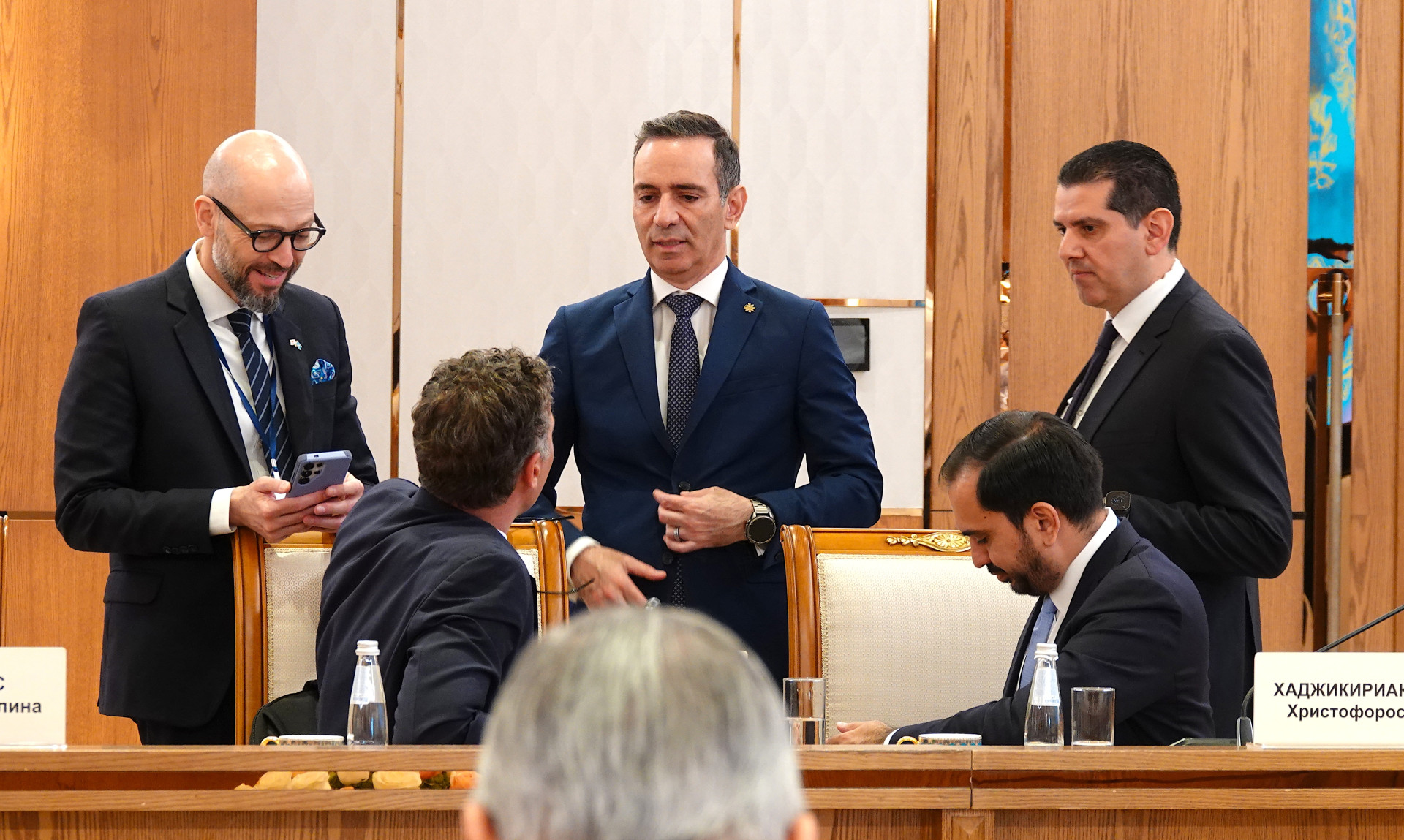
Finally, I ask the ambassador the question that opened this piece: what does a small nation offer when Europe already has giants like Germany, France, and Italy?
"Our policy is multi-vector; we build relations with everyone," he says.
But most importantly, Cyprus is a strategic hub in the Eastern Mediterranean, situated at the crossroads of the Middle East and Africa.
The Long Table
Negotiations continued in an expanded format as the delegations sat across from one another.
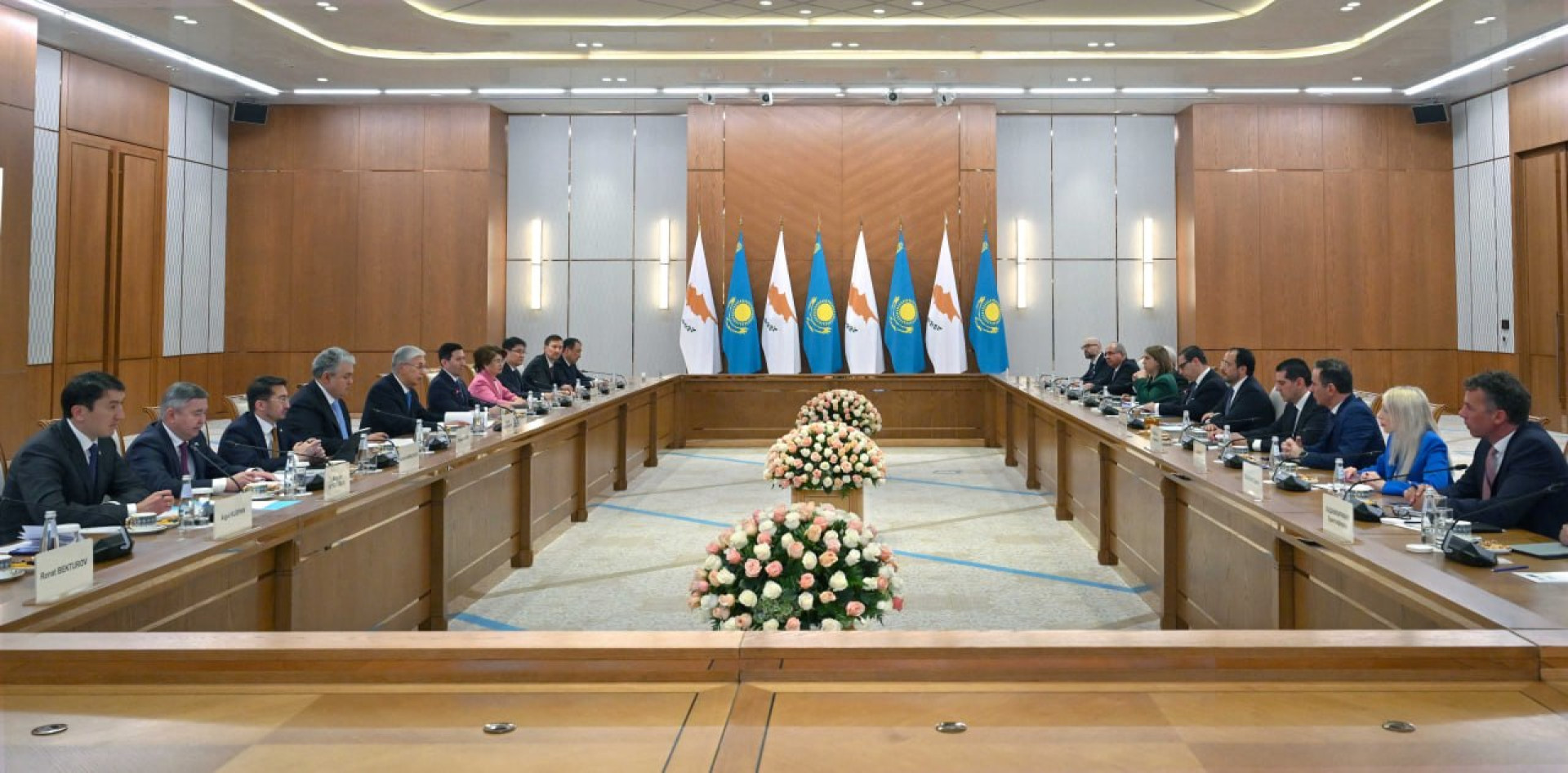
"Your visit is truly historic," Tokayev began.
Current trade turnover, he noted, does not yet reflect the real potential. It is time to move from political will to concrete results. The President of Kazakhstan proposed focusing on digitalization and artificial intelligence, logistics, finance, tourism, and education.
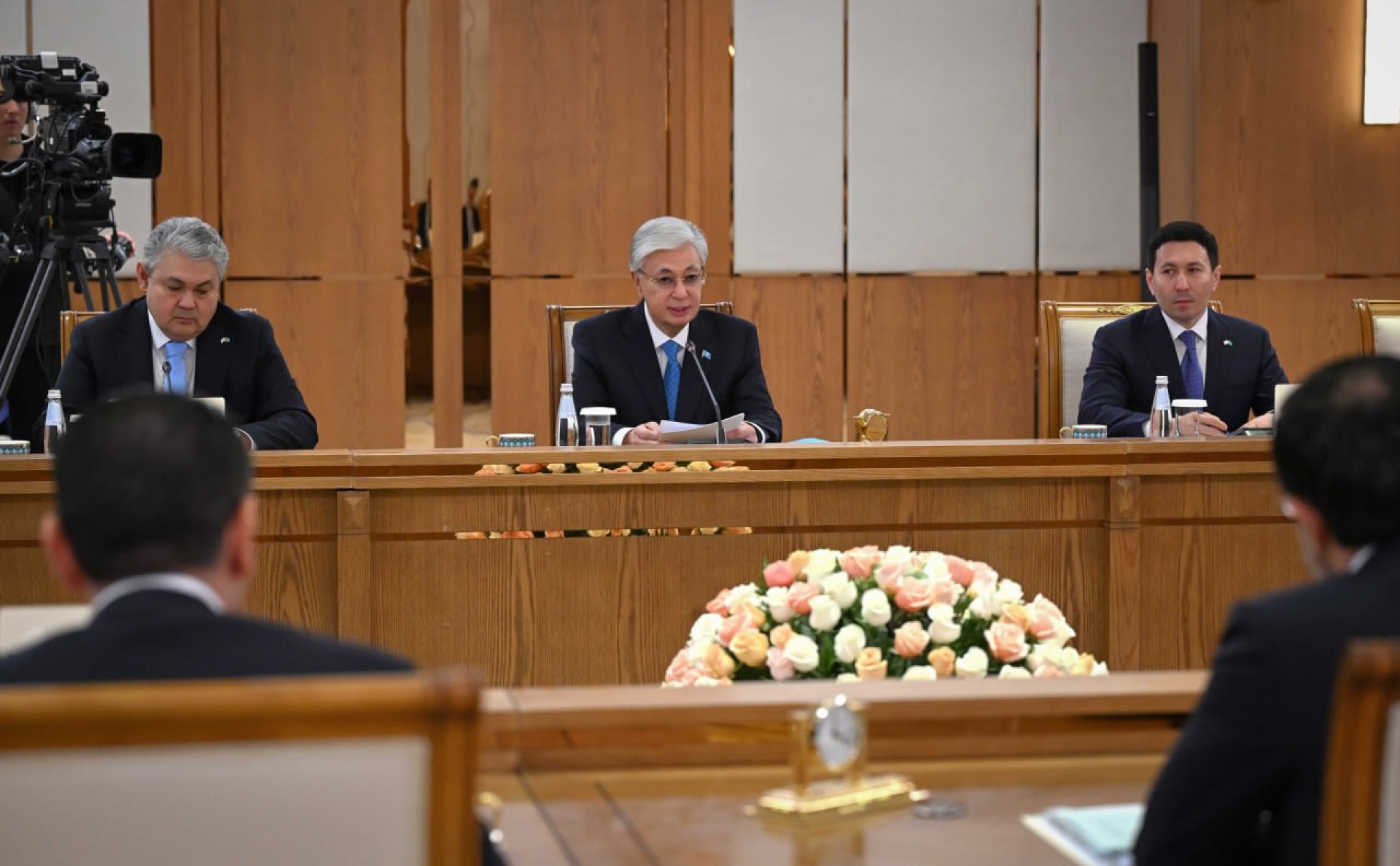
Christodoulides took notes. Ambassador Zhumakanov’s gaze shifted between the two leaders.
Christodoulides echoed the ambassador’s sentiment, using the same word: "gateway." Cyprus, he said, can serve as Kazakhstan's gateway to Europe.
"We recognize the geopolitical importance of Central Asia and Kazakhstan's role in the world. Kazakhstan is a strategic partner of the European Union."
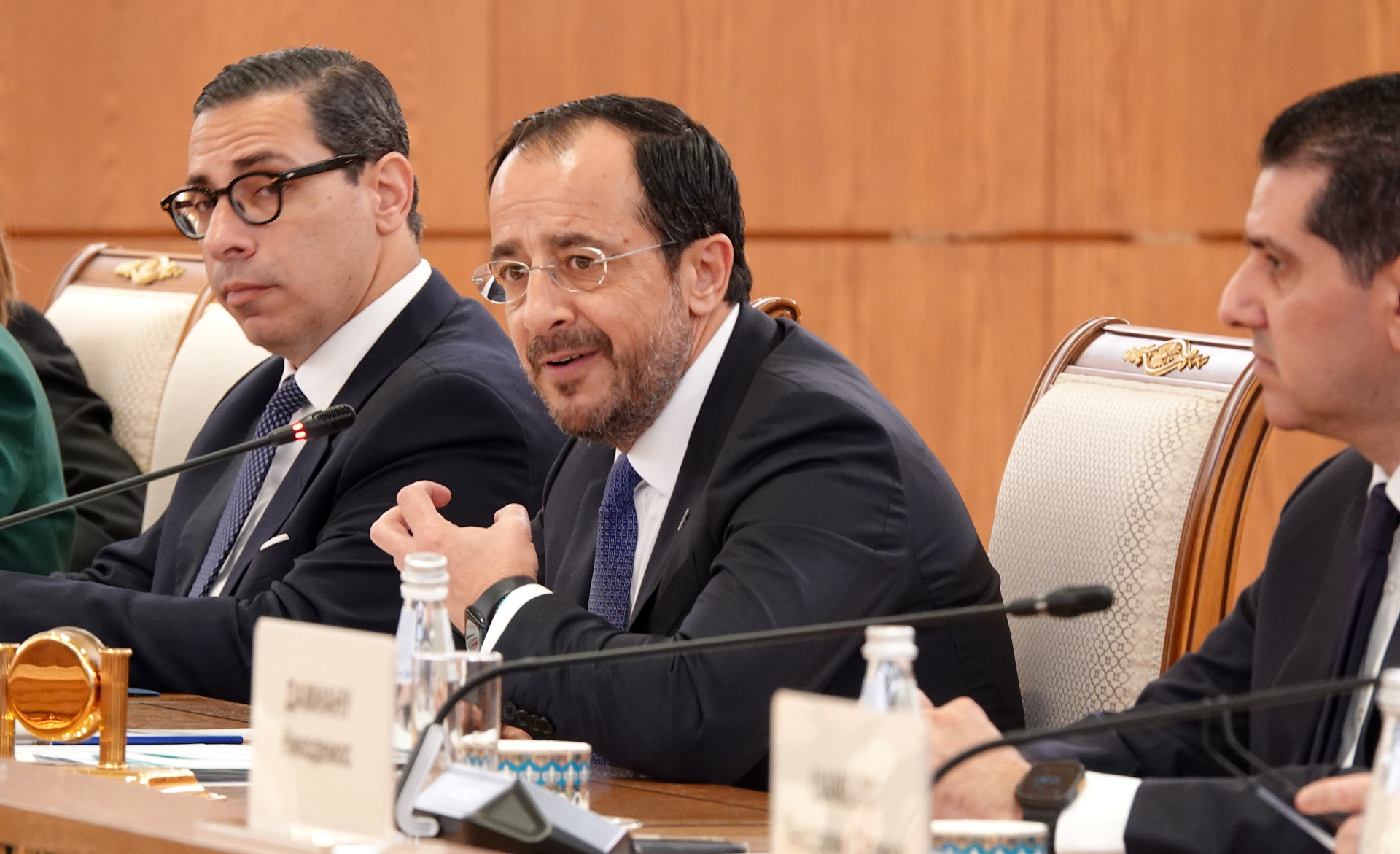
According to him, Cyprus offers a predictable business environment that is fully compliant with EU standards.
In response, Tokayev proposed developing a roadmap for economic cooperation through 2028.
Toward the Mediterranean
The delegations exchanged five documents covering artificial intelligence, culture, education, sports, and trade.
At the briefing, Tokayev highlighted what seemed to be the ultimate goal: the Trans-Caspian International Transport Route, also known as the Middle Corridor. They aim to link Kazakhstan’s land infrastructure with Cyprus’s maritime capabilities—connecting a landlocked nation and an island through a single corridor.
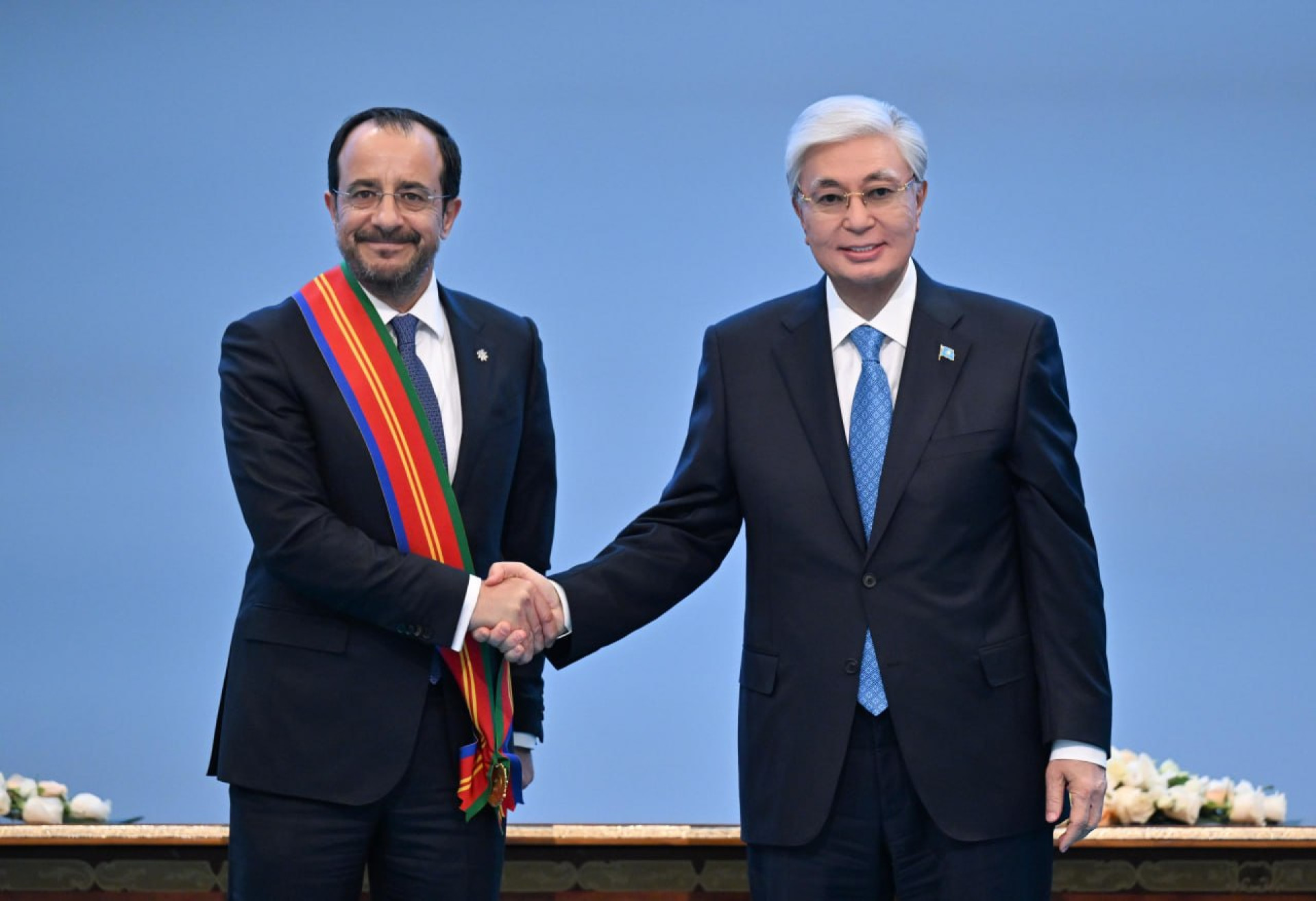
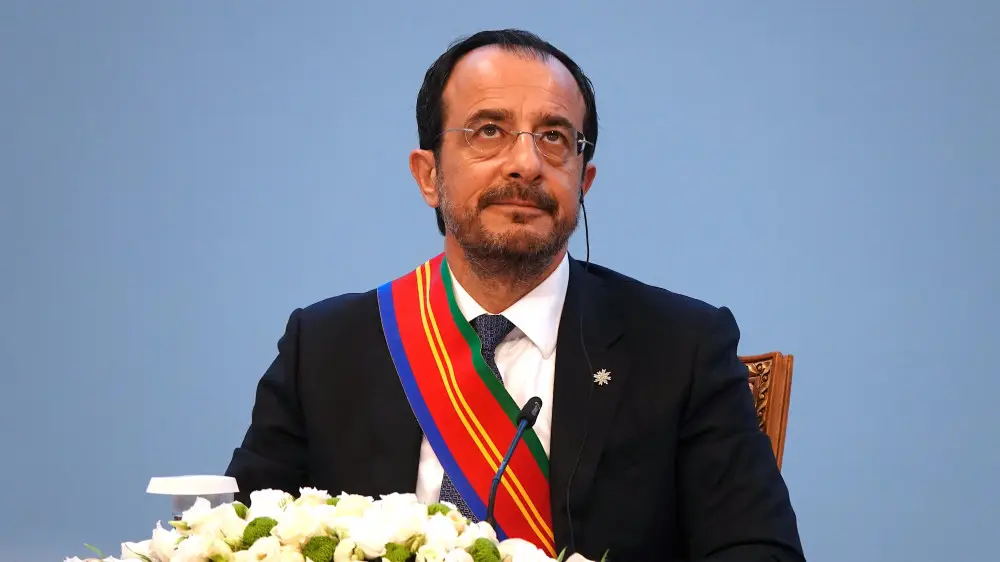
Following the talks, Tokayev presented Christodoulides with the Order of Dostyk (Friendship).
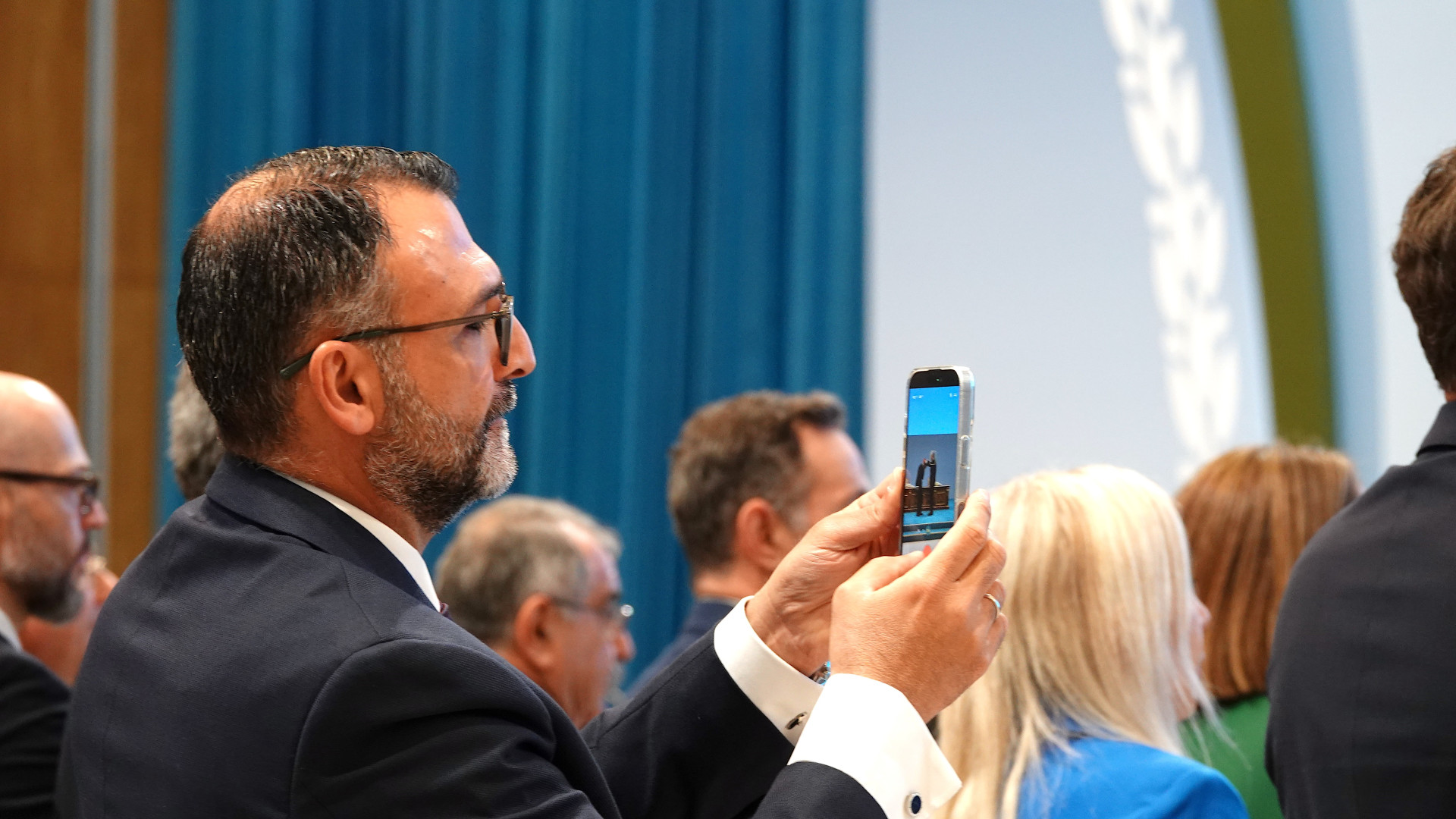
A member of the Cypriot delegation raised their phone to record—not the ceilings, the ornaments, or the honor guard, but the presidents themselves.