
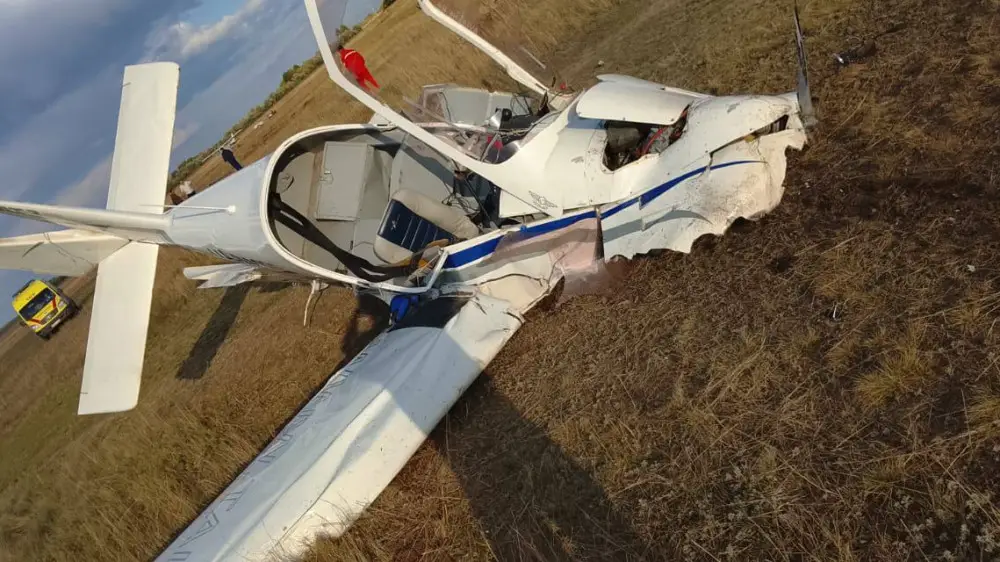
Tengrinews.kz – A second private plane crash with fatalities has occurred near Astana in recent months, once again raising concerns about the state of general aviation in Kazakhstan, its regulation, and safety standards. Tengrinews spoke with aviation experts, who outlined possible causes of the tragedy and broader systemic issues in the sector.
Kazakh pilot Aleksey Golubenko believes the crash was primarily caused by pilot error. Video footage shows the pilot attempting a difficult aerobatic maneuver known as a “hammerhead stall turn”.
“Not all aircraft are certified for aerobatics. To my knowledge, in Kazakhstan only two planes are legally allowed to perform such maneuvers — and this was not one of them. Performing aerobatics on such a light aircraft is inherently dangerous,” Golubenko explained.
Посмотреть эту публикацию в Instagram
He added that such planes are designed for leisure flights, not for extreme loads. Attempting aerobatics at low altitude left no room for error.
“These figures can only be performed safely by trained pilots, in specially equipped aircraft, and at high altitudes,” he stressed.
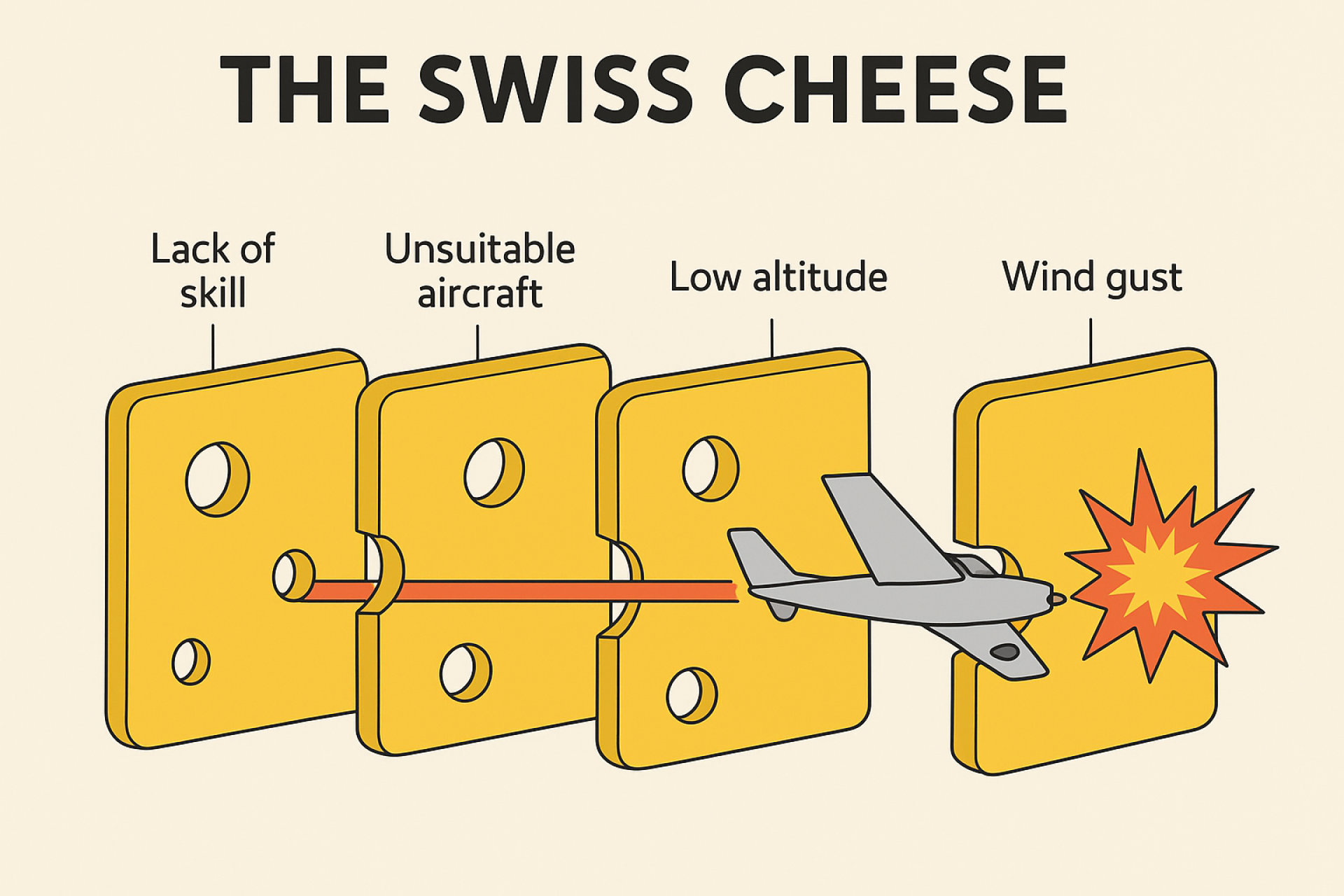
Golubenko described the crash as a “Swiss cheese effect” — when all safety gaps align: lack of training, unsuitable aircraft, low altitude, and unfavorable wind.
Weather and technical factors
Aviation expert Abul Kekilbayev noted that weather conditions, including possible downdrafts, likely played a role.
“The weather was poor. He probably didn’t have enough altitude to correct. Whether it was engine failure or something else — the investigation will show,” he said.
Kekilbayev also questioned technical oversight: “Who is maintaining these engines? Who extends their airworthiness? These are serious questions.”
Safety concerns in general aviation
Experts highlighted gaps in regulation. Golubenko said passenger flights for leisure purposes are not properly regulated in Kazakhstan, and issues such as insurance and informed consent remain unresolved.
He pointed out that both recent crashes involved ultralight aircraft — relatively affordable, but “unforgiving” compared to more stable Cessna models.
“Worldwide, over 70% of accidents are linked to human error. In Kazakhstan, that figure is close to 100%, as technical failures in light aviation are rarely recorded. Underestimating weather and overestimating skills are much more common,” he noted.
Systemic challenges
Experts identified several systemic problems:
- Overregulation pushing some pilots into “shadow flights” without inspections or insurance.
- Poor infrastructure and staff shortages.
- Lack of affordable insurance and unified rules for private flights.
Kekilbayev warned that each incident leads to tighter restrictions, further slowing the already fragile growth of Kazakhstan’s general aviation sector.
Experts pointed to international practices such as mandatory passenger waivers (U.S., Canada, Australia, New Zealand) and insurance systems in Europe that cover risks. In Kazakhstan, such mechanisms are not yet in place.
They argue that reforms should include mandatory insurance, passenger awareness of risks, and better oversight — without halting development of the sector.
Background
 instagram.com/gulmira001/t.me/Burkit001
On June 22, a light aircraft crashed near the Zholaman airfield outside Astana, killing two people. On August 17, another Aerostar R40F went down in Akmola Region, also killing the pilot and a passenger — a mother of three.
The Aviation Administration has since suspended flights of private companies involved in the crashes and launched unscheduled inspections of 49 general aviation aircraft in Astana, Almaty, and Karaganda.
Final conclusions on the latest crash will be presented within a year by the Ministry of Transport’s investigation commission.

